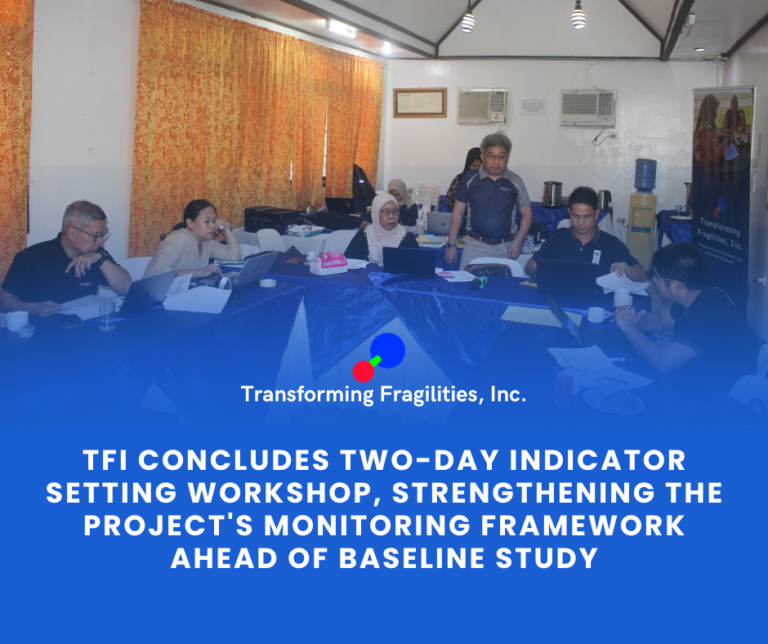
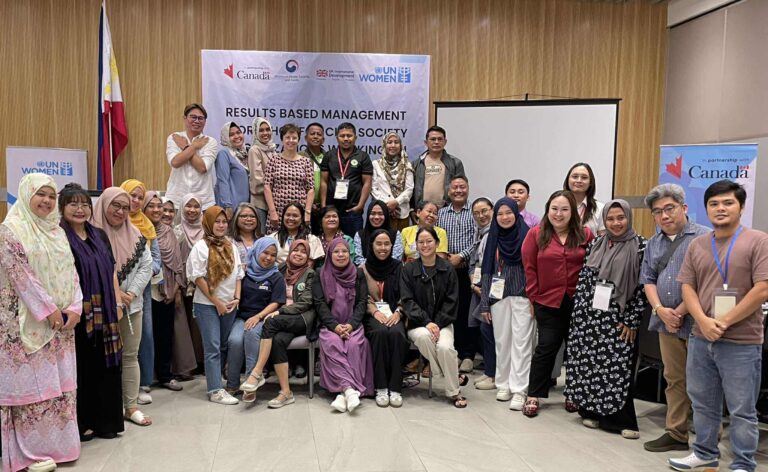
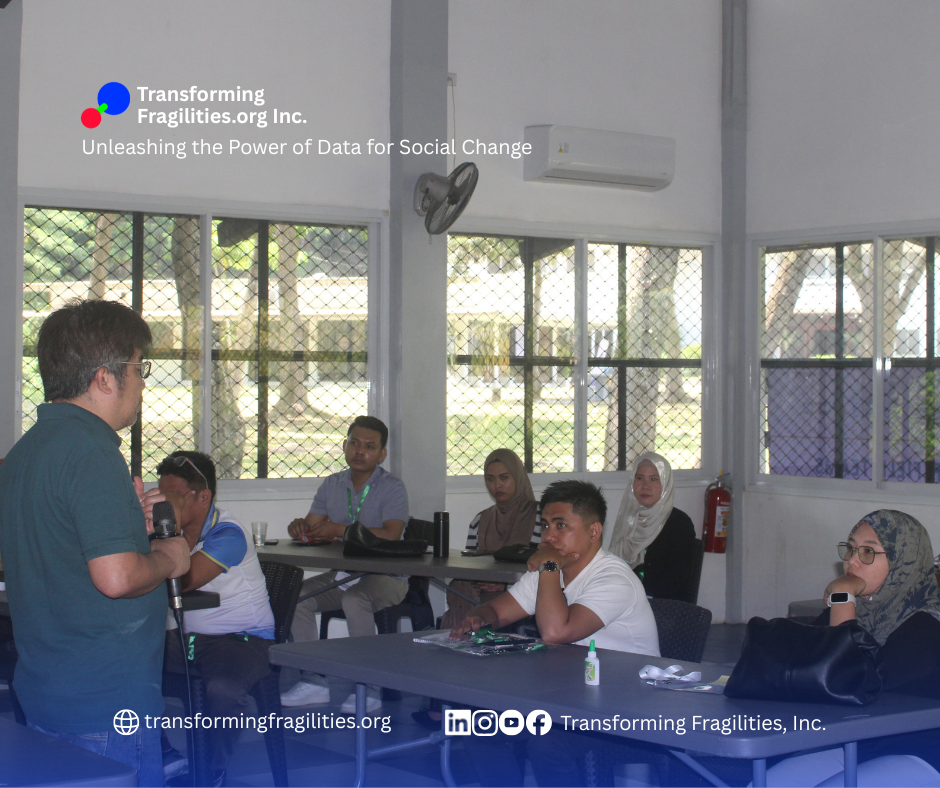
DATU ODIN SINSUAT, MAGUINDANAO — In a targeted effort to finalize a multi-year regional study, Transforming Fragilities, Inc. (TFI) conducted an orientation-training for its field research teams from April 17 to 19. Held at Ternes Hall, OMI Youth and Family Center, the three-day activity focused on the rigorous familiarization of research instruments to be used in the upcoming field research titled “Hidden Resources for Peace: A Purview of Women’s Contributions in Community Conflict Mediation in the BARMM.”
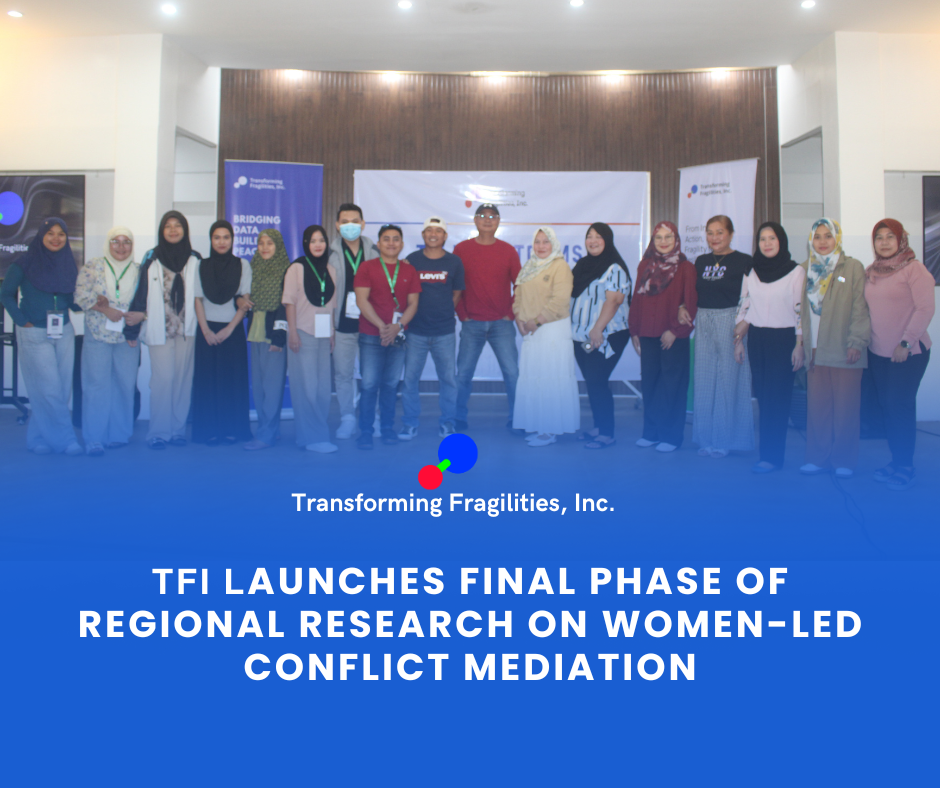
The training serves as the operational launchpad for the final phase of a project dedicated to strengthening the capacities of Moro and Indigenous Peoples (IP) women in Early Warning and Early Response (EWER) and community-based conflict mediation. This initiative is a vital component of the Women, Peace, and Security (WPS) portfolio of UN Women Philippines, with support from the Women’s Peace and Humanitarian Fund (WPHF).
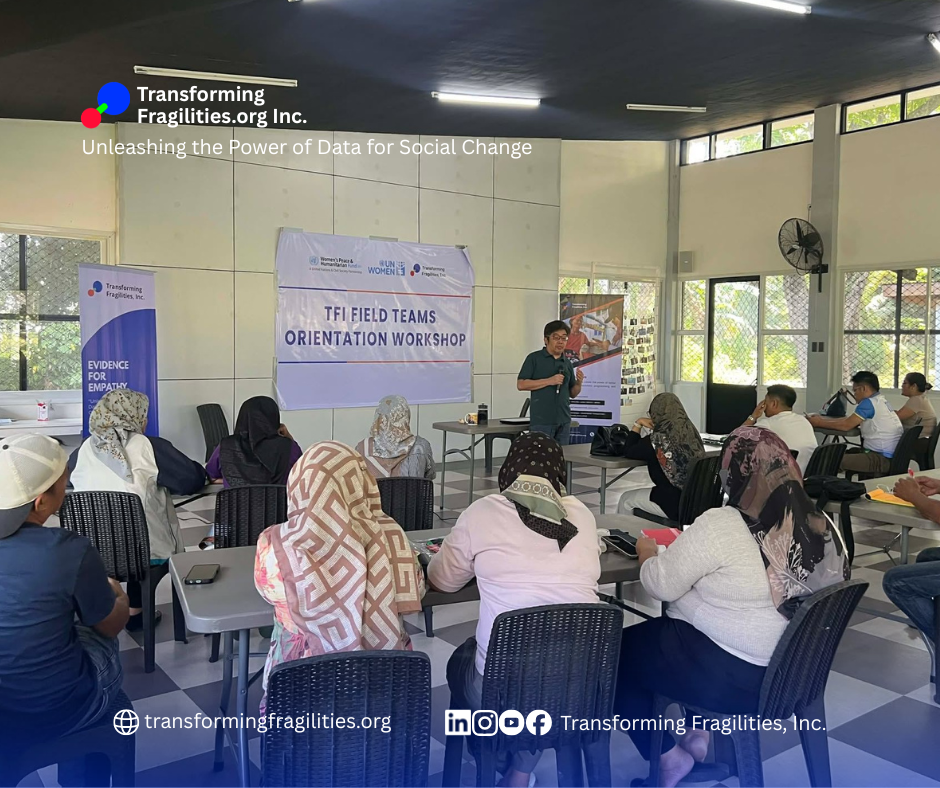
While the broader research is guided by a “powerhouse ensemble” of peacebuilding, gender, and BARMM context specialists serving as subject-matter experts, this specific gathering was dedicated to frontline enumerators and field supervisors, led by Central Sophia Papandayan (Mindanao Supervisor and Field Coordinator) and Alex Mabpandi (Qualitative Data Collection Specialist and Context Subject Matter Expert). The teams received detailed orientation on the research instruments to capture the nuanced, often unrecorded roles women play in resolving community-level disputes.
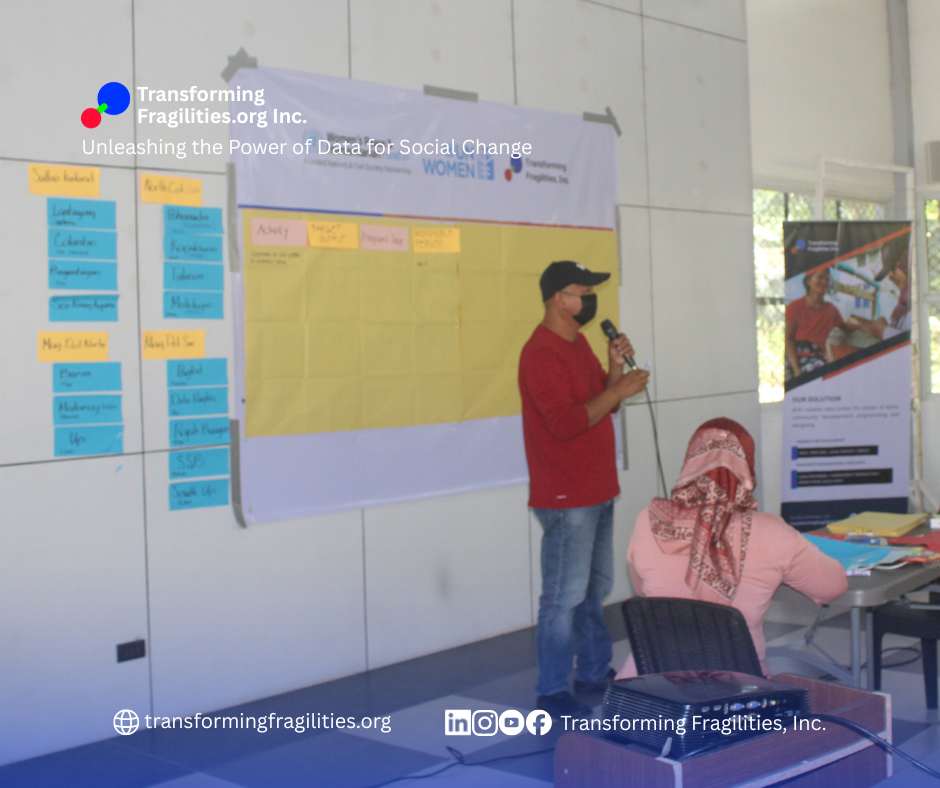
This year’s deployment is significant as it seeks to “close the loop” on a research journey that began in 2023. Under the initial UN Women and WPHF partnership, TFI successfully mapped the mediation contributions of women in the M’ranaw and Yakan grassroots communities. To demonstrate institutional commitment, TFI used its own resources last year to expand the study to the Sama and Tausug tribes.
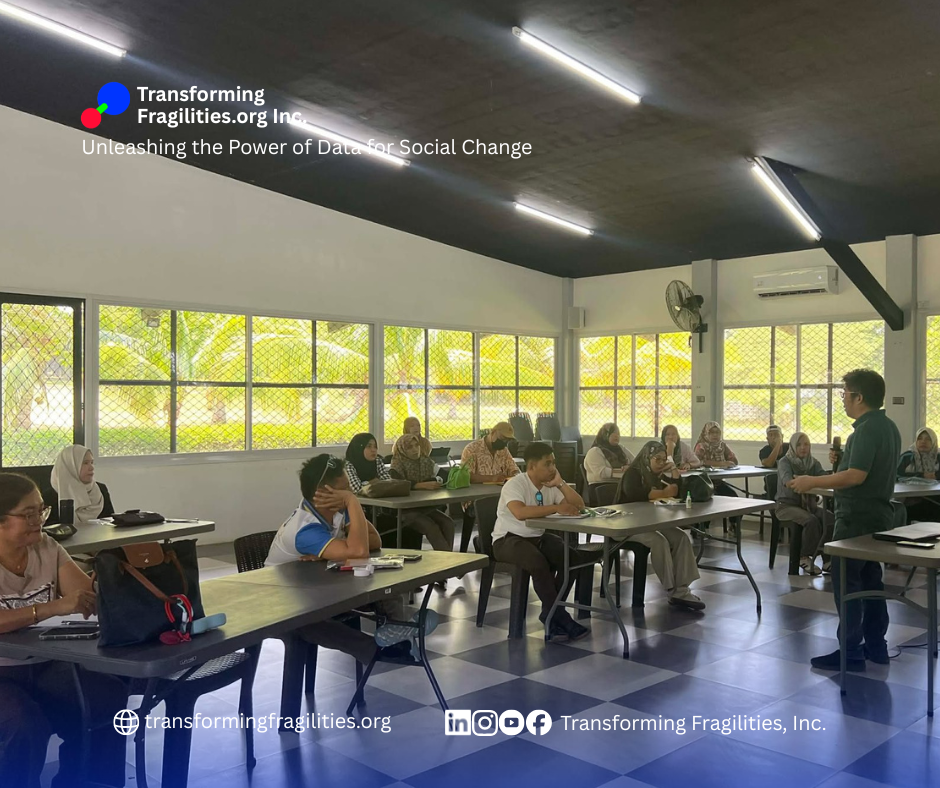
With the current phase, again in partnership with UN Women and WPHF, the study will finally incorporate the Maguindanaon and Iranun peoples, alongside the Manobo in specific municipalities of Sultan Kudarat and North Cotabato and the Teduray in Upi and South Upi. This comprehensive approach ensures that no major ethnic or indigenous group is left out of the regional narrative of women-led peacebuilding.
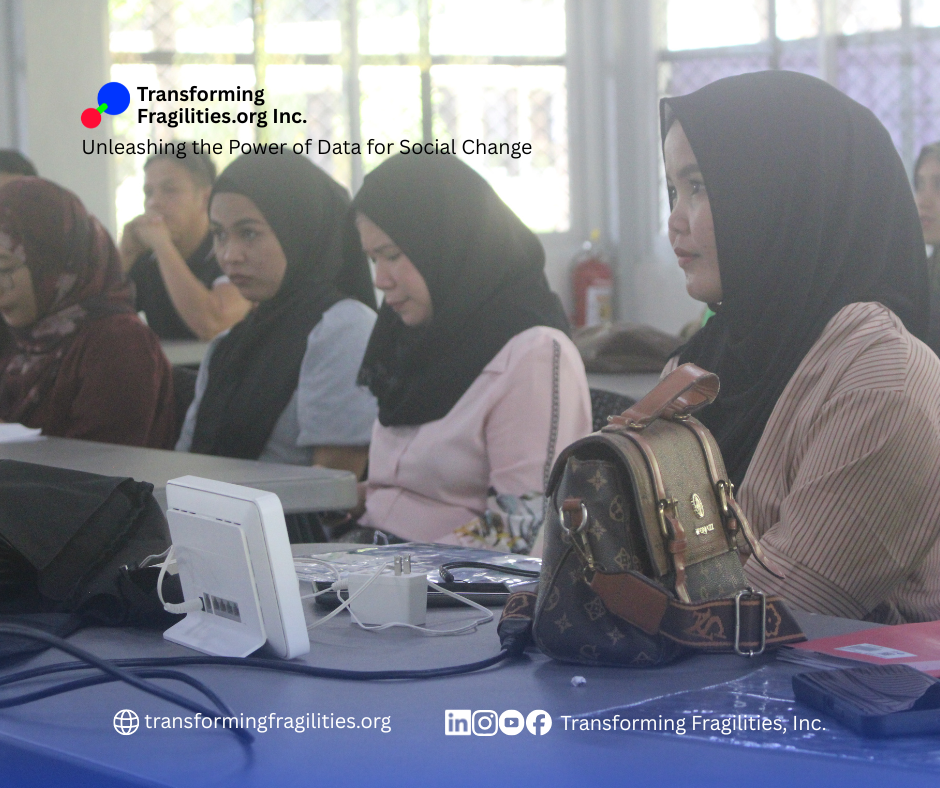
The research team has set high benchmarks for this final stage of data collection. By integrating the perspectives of these final four groups, TFI expects to conclude the field research within the year.
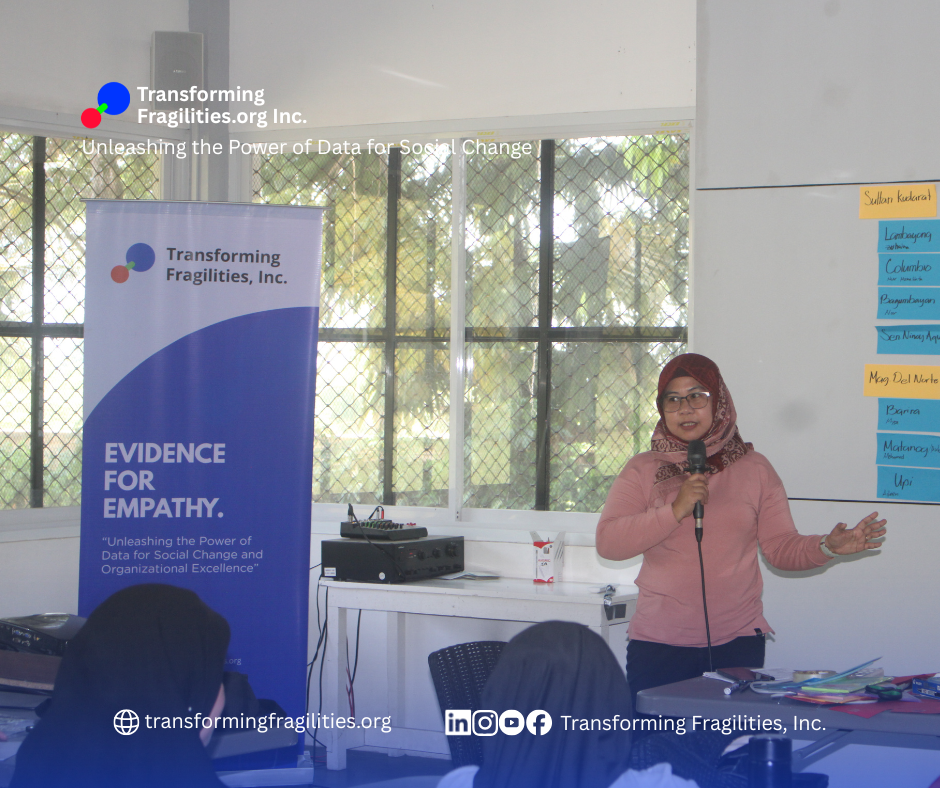
“The goal is to move beyond anecdotal evidence,” noted TFI’s managing Director, Judith Joy “Jai” Libarnes. “By training our field teams to use these calibrated instruments across such a diverse range of communities, we are preparing to publish a definitive work that recognizes women not just as victims of conflict but as the hidden resources of community peace.”
Following the completion of the field research, TFI intends to synthesize the findings into a formal publication. This document is expected to serve as a primary resource for the Bangsamoro government and international peace partners, providing a blueprint for integrating indigenous and local women’s mediation mechanisms into the region’s formal peace architecture.
ctto: UN Women Research Field Team Members & TFI staff