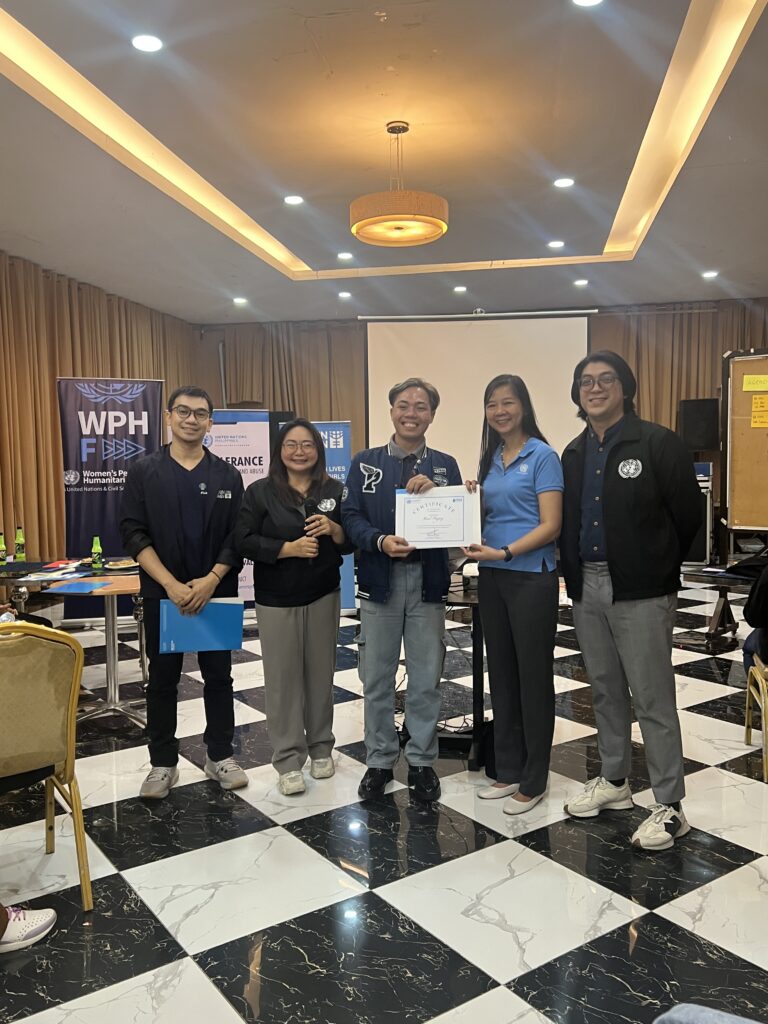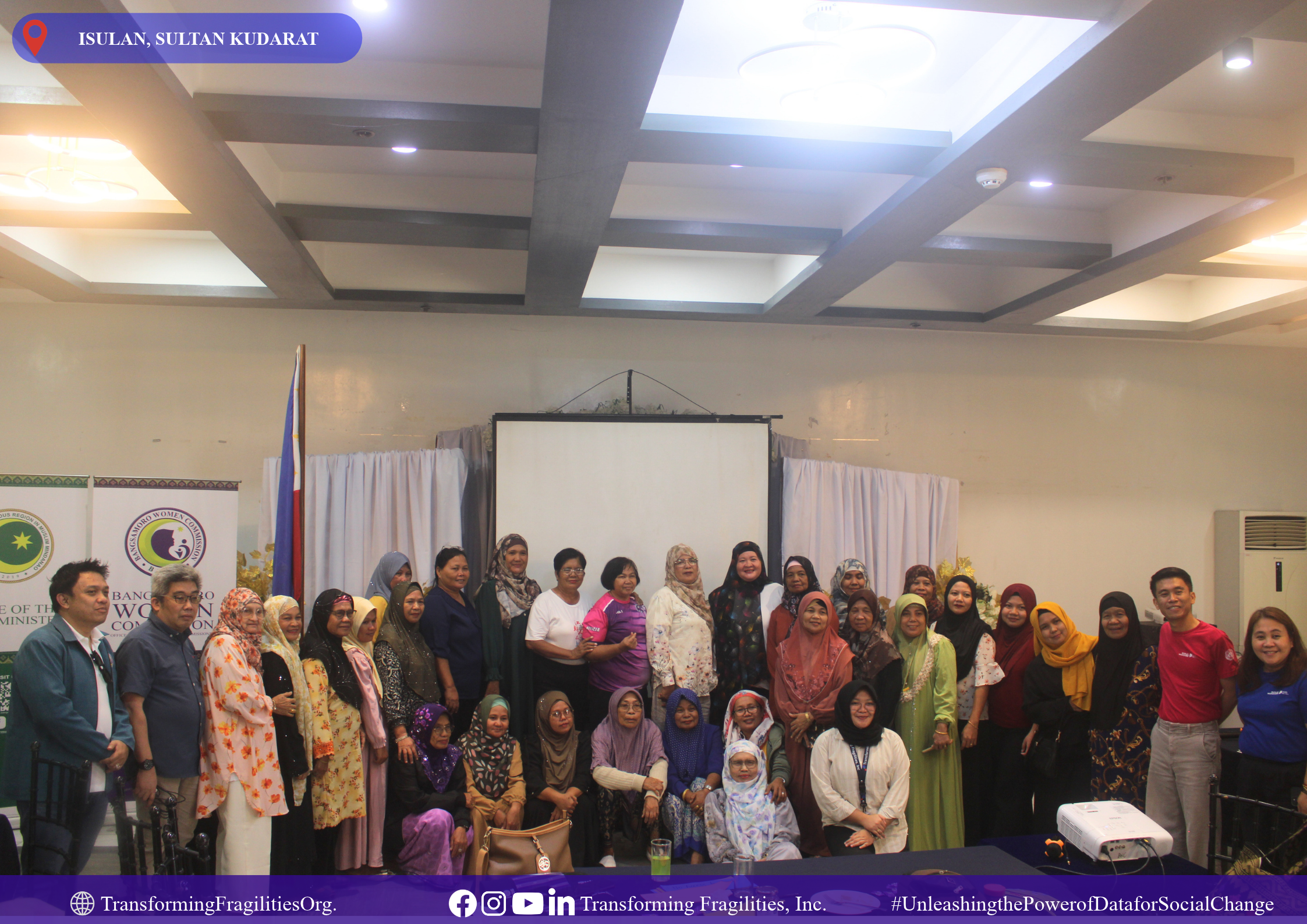
Throughout October 2026, Women Community Leaders (WCLs) from across the Bangsamoro met in a series of provincial consultations. They tested the Bangsamoro Gender Equality and Women Empowerment (BGEWE) Plan against what women and girls actually live through in their communities.
Each consultation had four sessions: Connecting the Vision, Community Reality Check, Intervention Ideation and Results Framework. The women went through all seven pillars of the plan. For each one they named issues the plan had missed, proposed activities for their barangays and municipalities, and set outputs, partners and three-year goals.
The Phase 3 consultations were held in:
Marawi City (October 6) for Lanao del Sur and Marawi City, with 33 WCLs
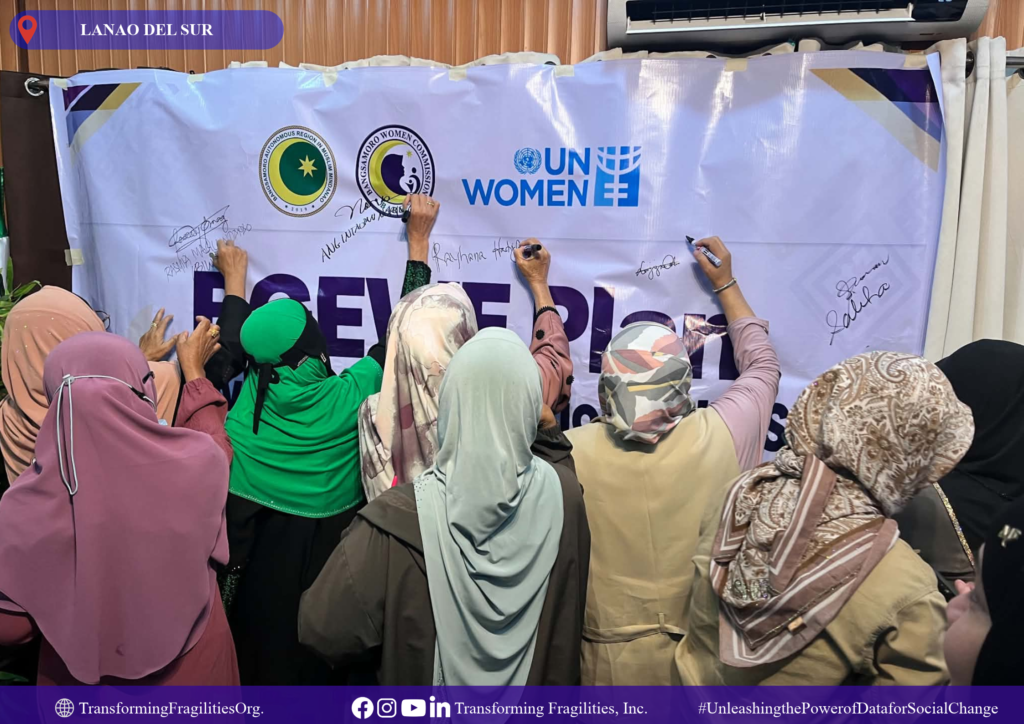
In Lanao del Sur, women raised water and power problems in Marawi, pollution of Lake Lanao, unsafe public toilets in shelters, and the weak use of the 5% GAD budget at the barangay level.
Bongao, Tawi-Tawi (October 13)
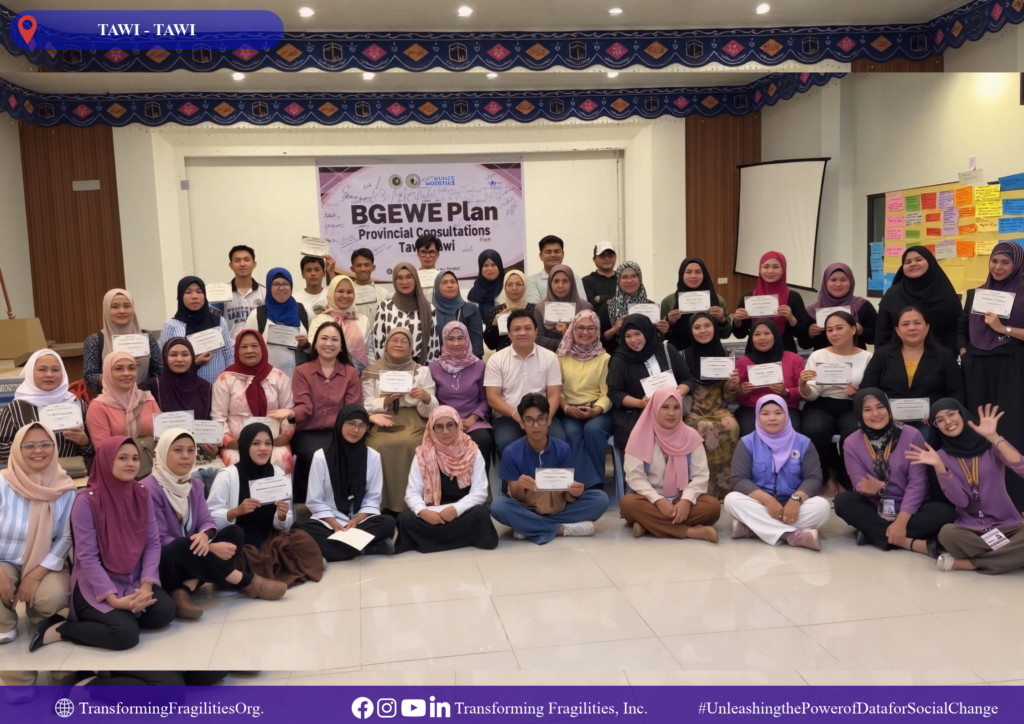
Women from Bongao, Tawi-Tawi raised the concern about island geography all day. Women called for working sea ambulances and medical missions in every municipality, and raised human trafficking, early marriage among the Sama Dilaut and protection of marine habitats.
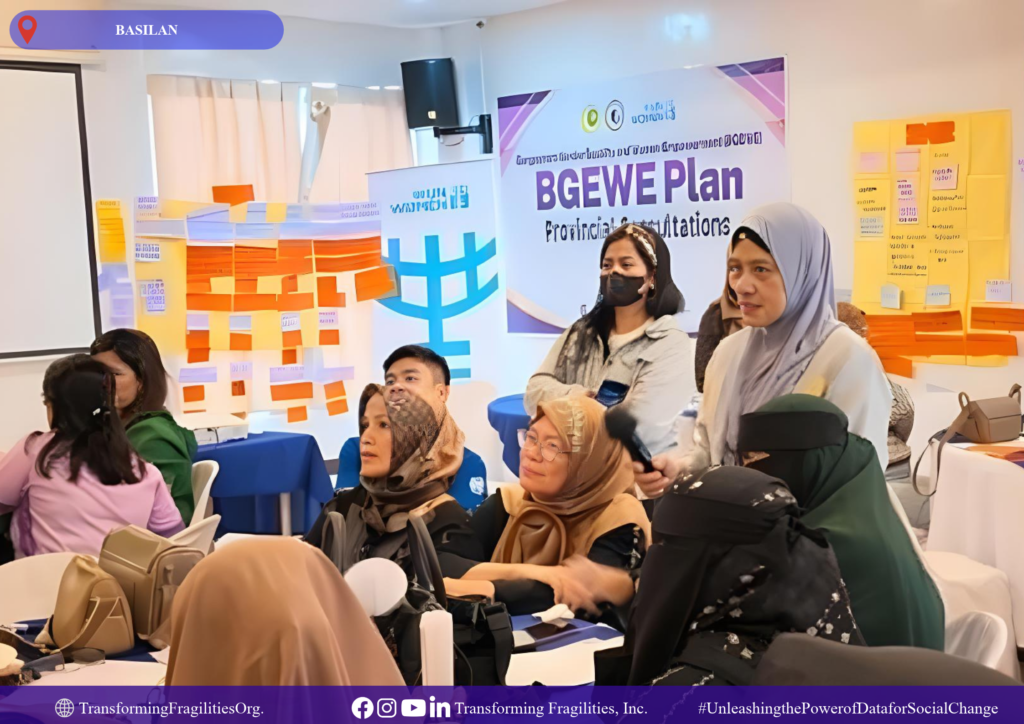
Isabela City, Basilan (October 15)
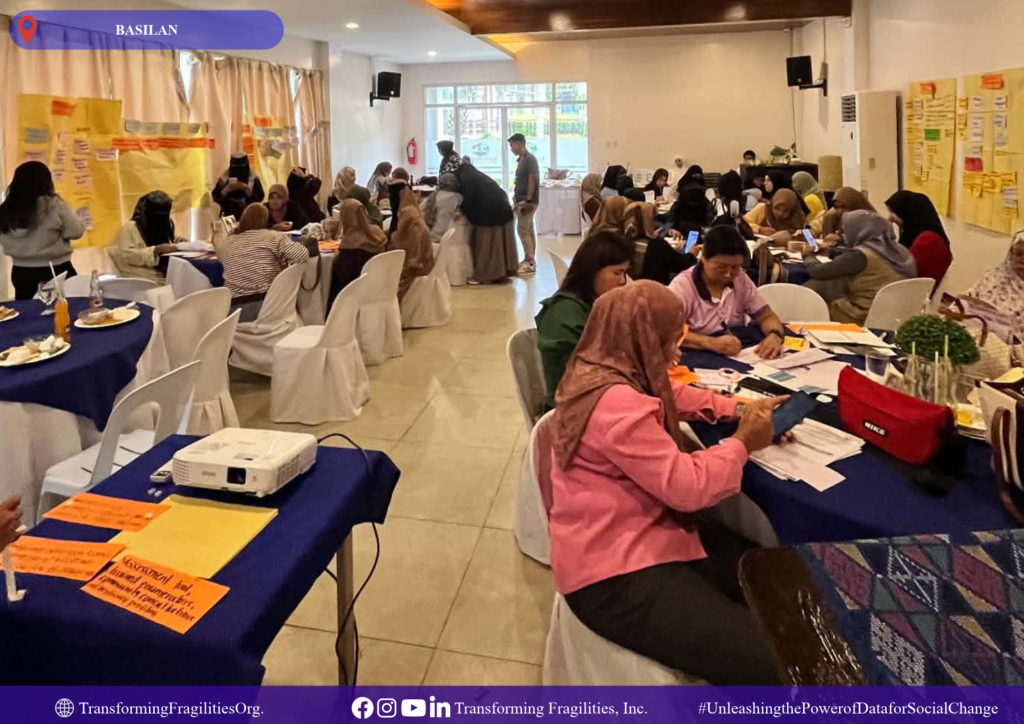
Basilan participants spoke about rape of minors and amicable settlement, the unfinished normalization process, and barangays that go without water for months.
Cotabato, Pagana Grand Convention (October 19), where 130 WCLs from Maguindanao del Norte, the Special Geographic Area (SGA) and Cotabato City worked in area groups
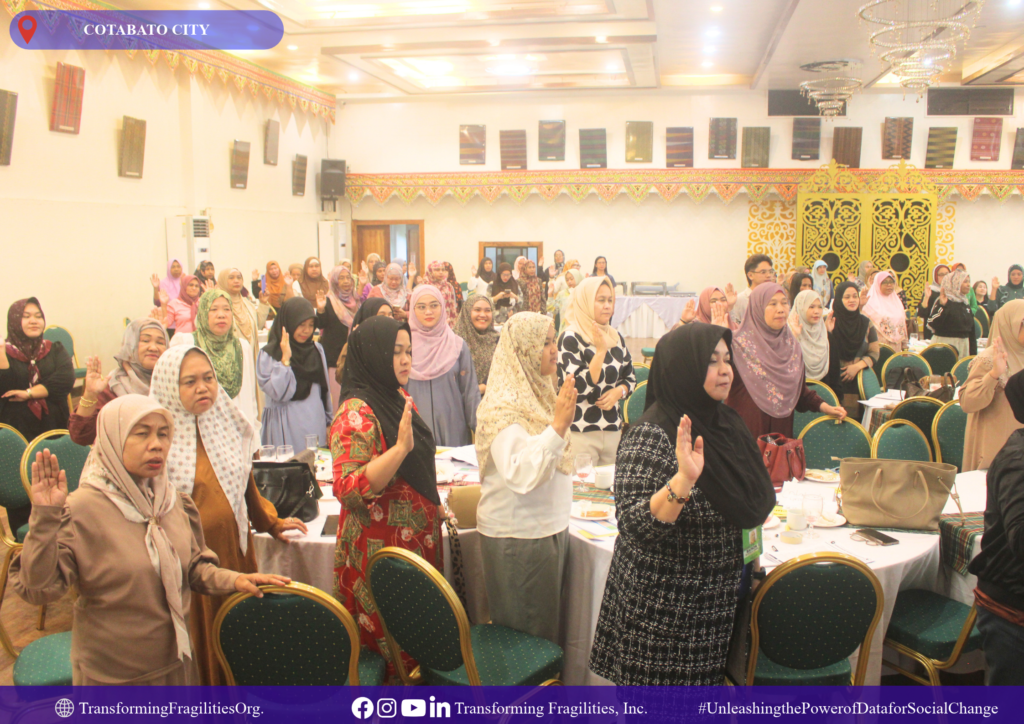
Women of Maguindanao del Norte from remote mountain barangays said distance and husbands who refuse to let them go keep them out of trainings. While women from Special Geographic Area asked for livelihood projects that last through armed conflict, and for VAWC cases to be documented and resolved instead of settled in the community. Cotabato City women called for Islamic financing to replace interest-based online lending apps, and for free pre-marriage counseling.
Maguindanao del Sur, where the session centered on Indigenous Peoples (IP) women
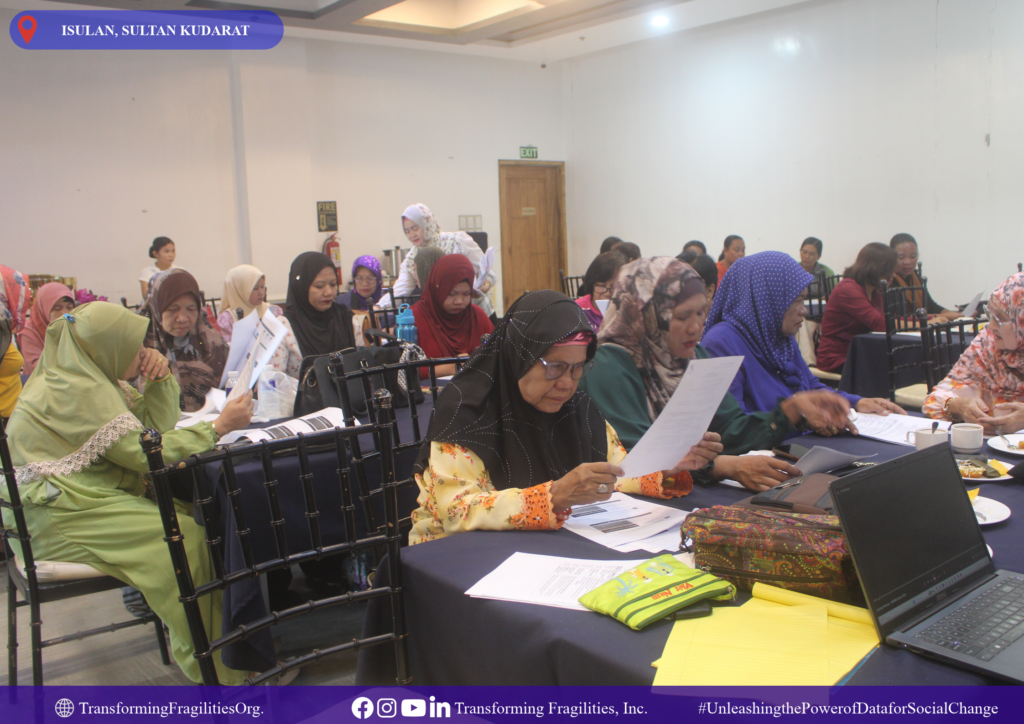
Lastly, women of Maguindanao del Sur the group asked for a stronger voice for IP women in peacebuilding, leadership and governance.
Some issues came up in almost every province: early, child and forced marriage under RA 11596; VAW desks that exist on paper but have no trained staff; GAD funds spent on compliance activities instead of real needs; and the many barriers that keep women from reaching services and trainings. Many groups also grounded their solutions in Islamic values, such as Islamic finance, symposiums, marriage counseling and involving the ulama.
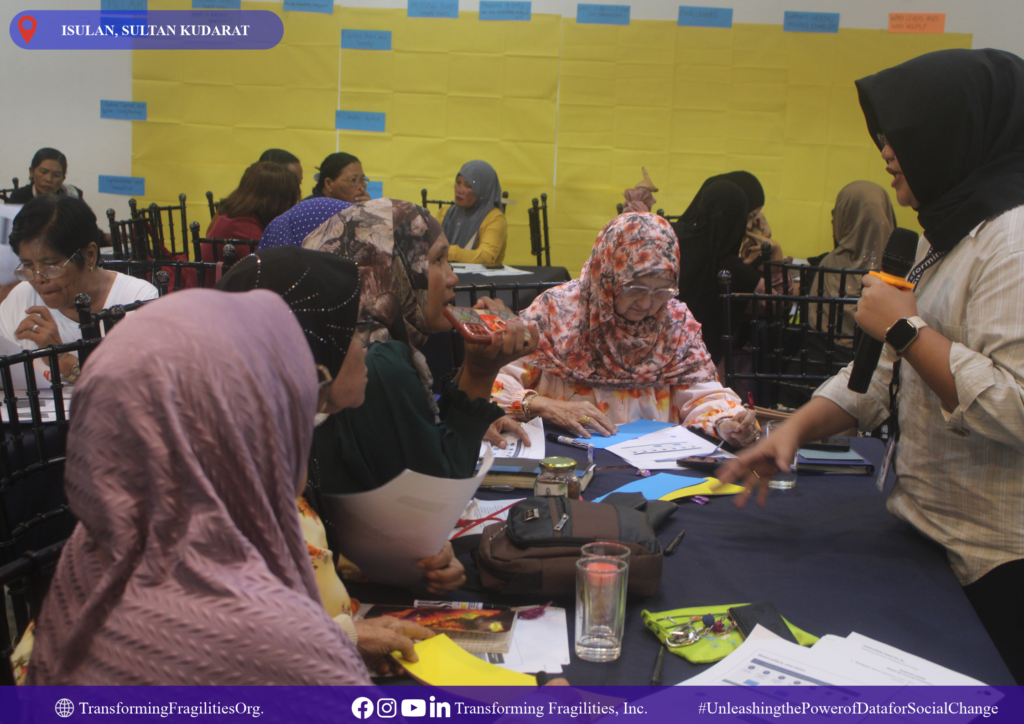
From consultation to commitment
The Bangsamoro Women Commission (BWC) reminded participants that the BGEWE Plan will guide ministries, offices, agencies and LGUs once it is finalized. Issues written into the plan can then be carried into their GAD Plans and Budgets. In Lanao del Sur, the session ended with the women standing together to read their commitment aloud: “We will take action on at least one idea we plan today in our own community.”
The outputs from every province will feed into the BGEWE results framework. That puts the voices of women and girls from the islands, uplands and cities of the Bangsamoro at the center of the plan.