COTABATO CITY, Philippines — October 23, 2026. The final round of data collection for the Baseline Study of the EU4BARMM Project is nearing completion across various institutions in the Bangsamoro Autonomous Region in Muslim Mindanao (BARMM). The project, funded by the European Union (EU) and implemented by the United Nations Office for Project Services (UNOPS) and the United Nations Development Programme (UNDP), supports Public Financial Management (PFM) and the Tri-Justice System. The baseline study was conducted by Transforming Fragilities, Inc. (TFI) and commissioned by UNOPS.
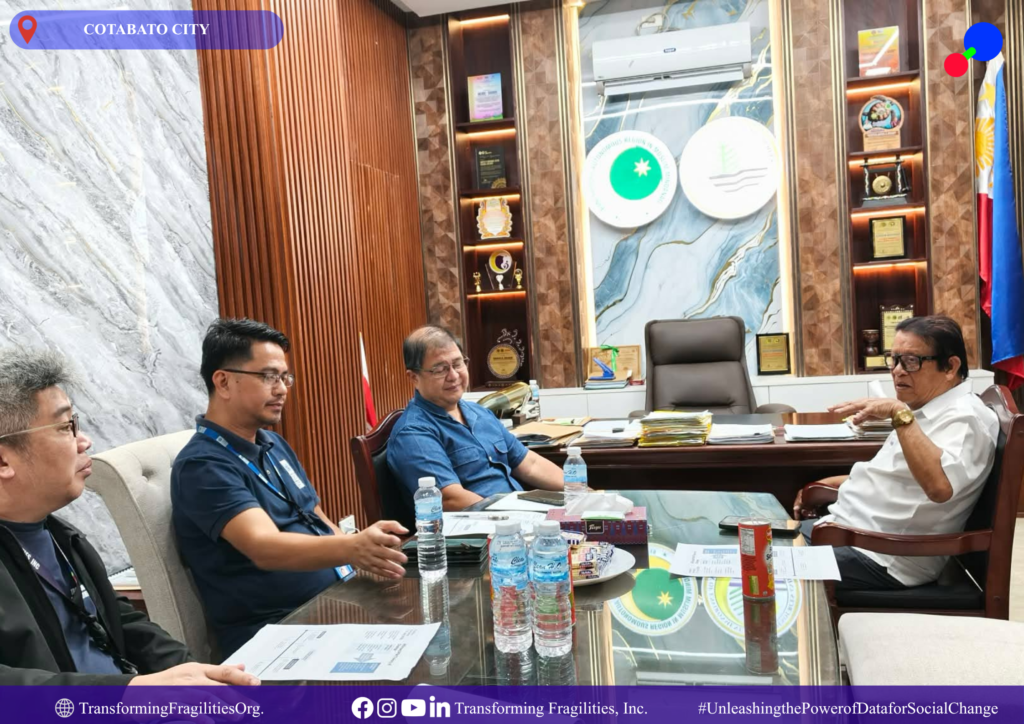
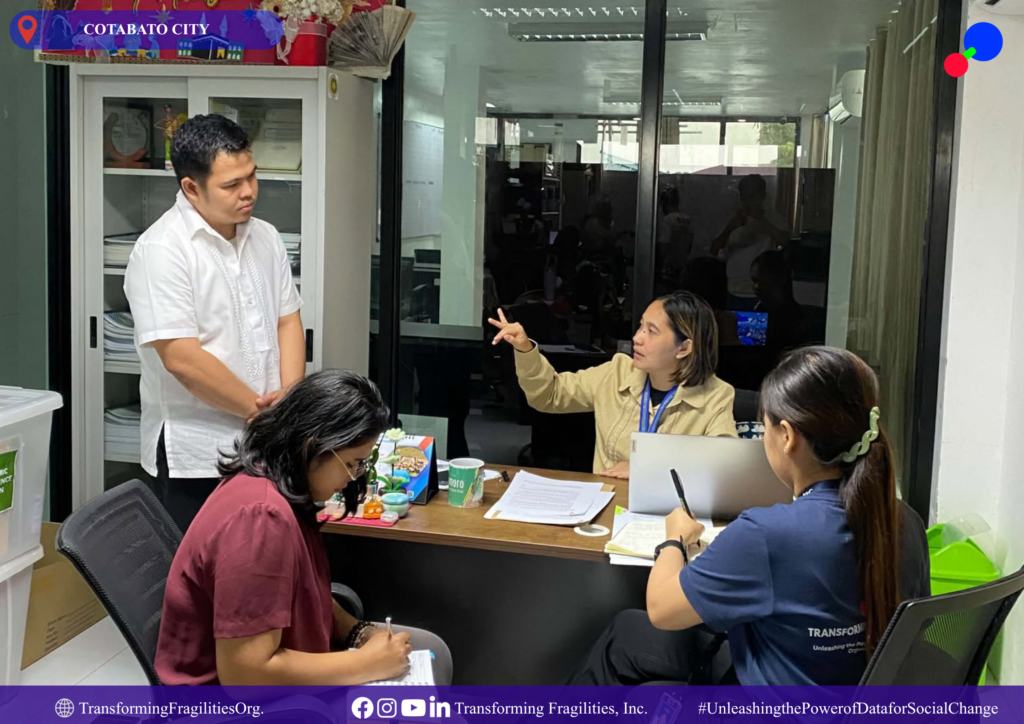
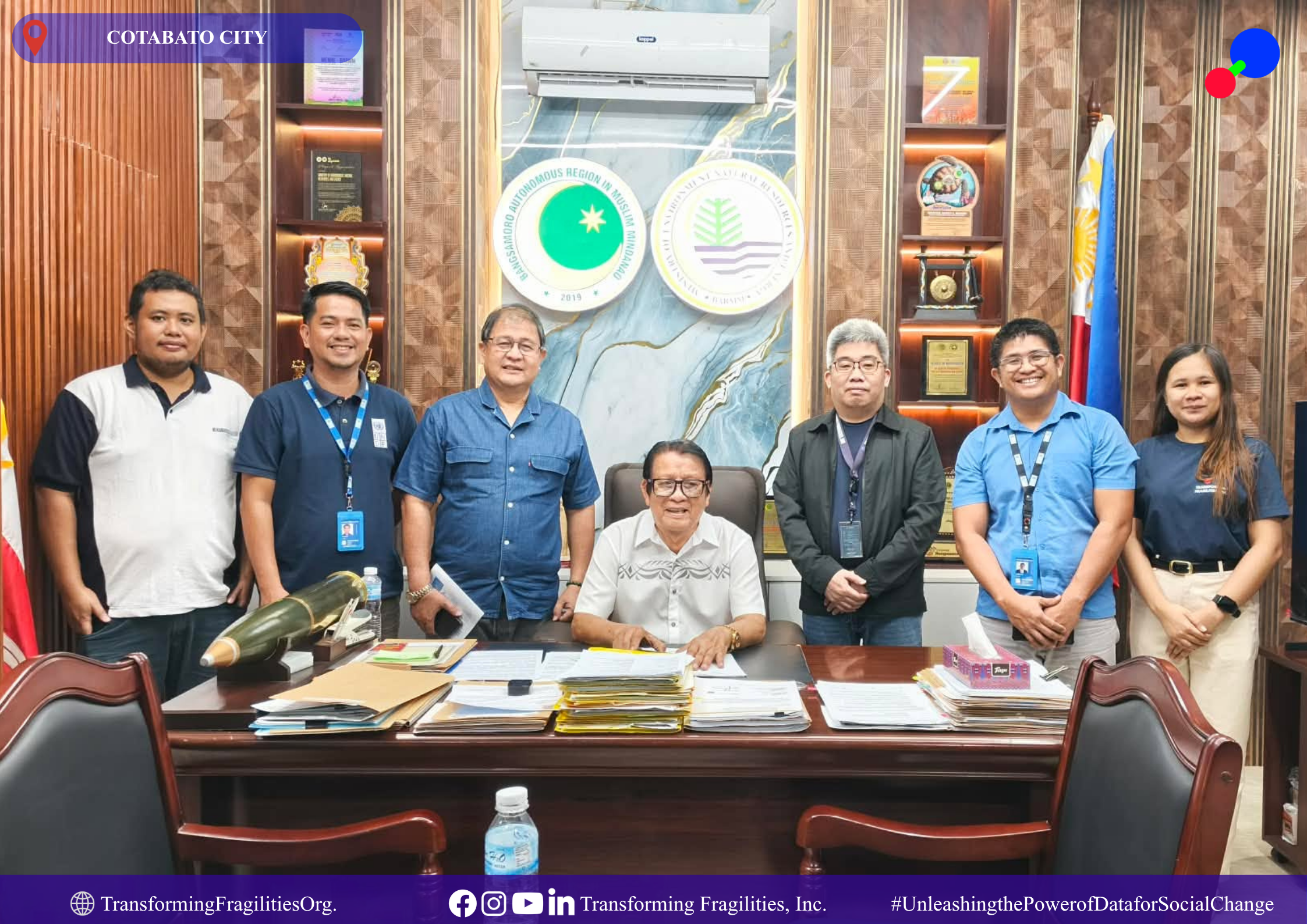
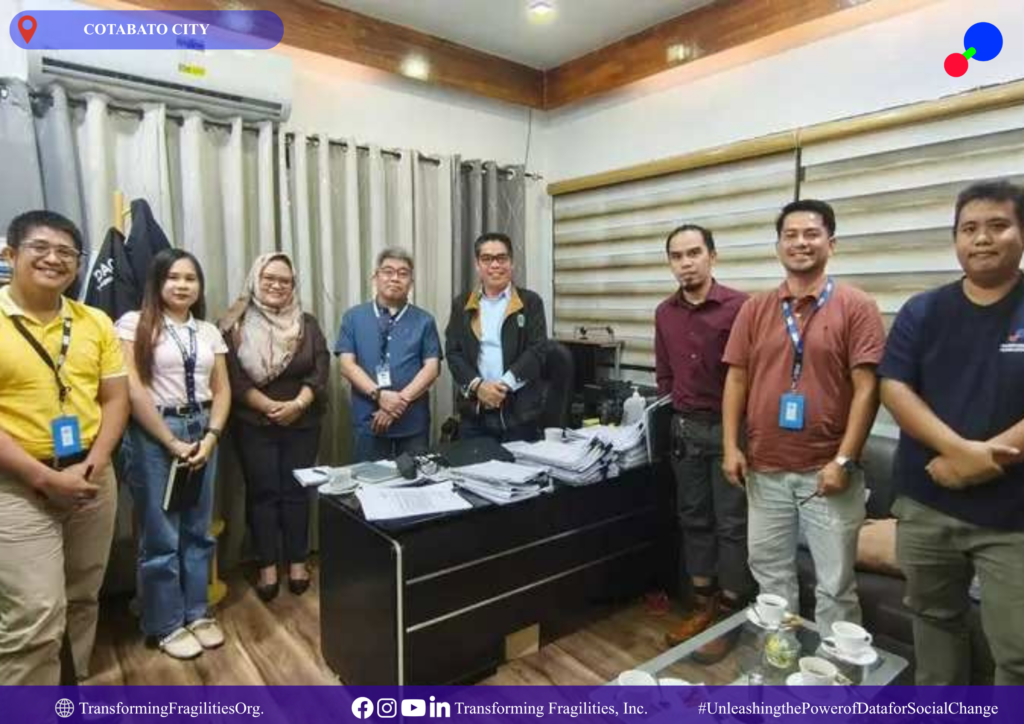
Representatives of BARMM ministries and offices, justice institutions, and civil society organizations (CSOs) took part through interviews conducted by the baseline field team of TFI.
Participating BARMM ministries and offices included the Office of the Chief Minister, the Ministry of Finance, Budget and Management, the Bangsamoro Planning and Development Authority, the Ministry of the Interior and Local Government, the Ministry of Public Order and Safety, the Ministry of Environment, Natural Resources and Energy, the Ministry of Indigenous Peoples’ Affairs, the Bangsamoro Women Commission, and the Bangsamoro Information and Communications Technology Office. Justice sector perspectives came from the Bangsamoro Attorney General’s Office and the Shari’ah courts.
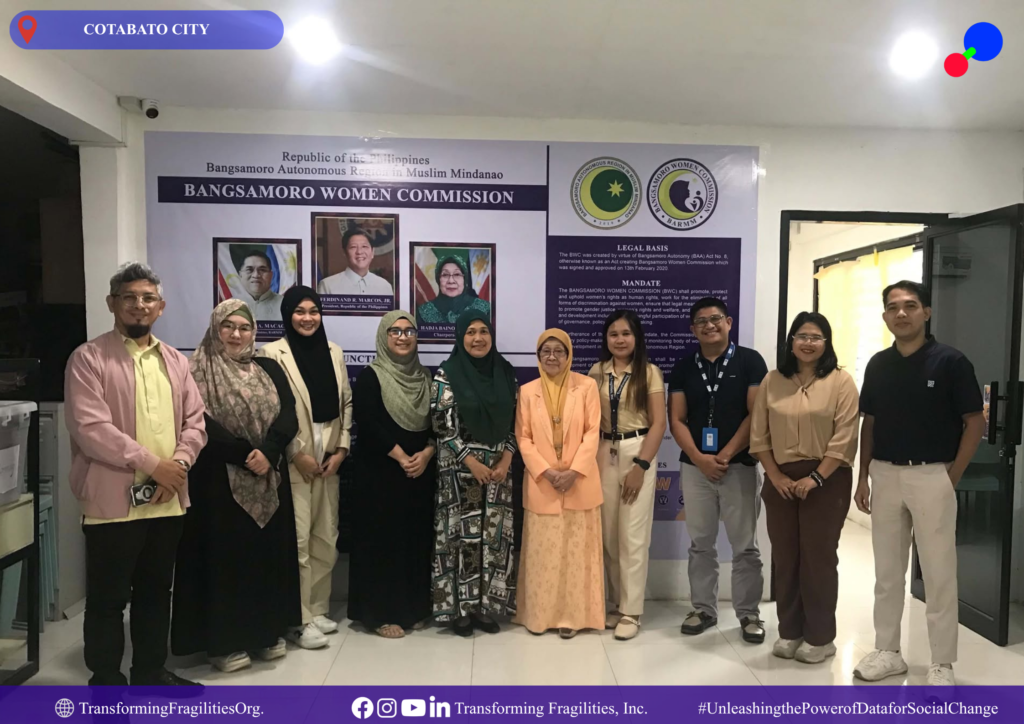
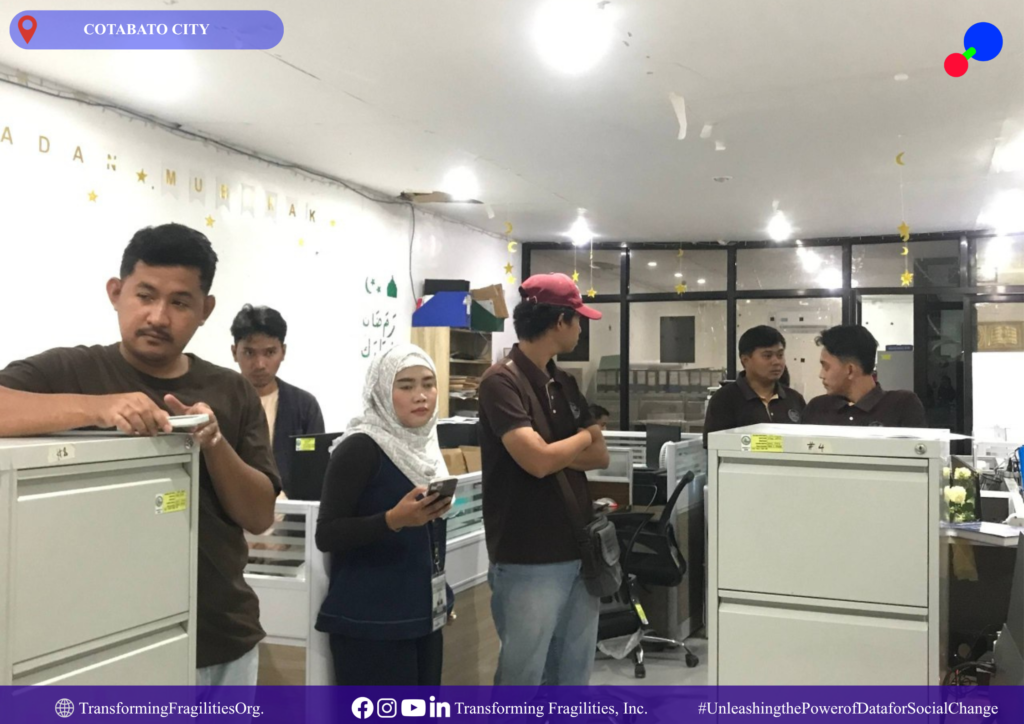
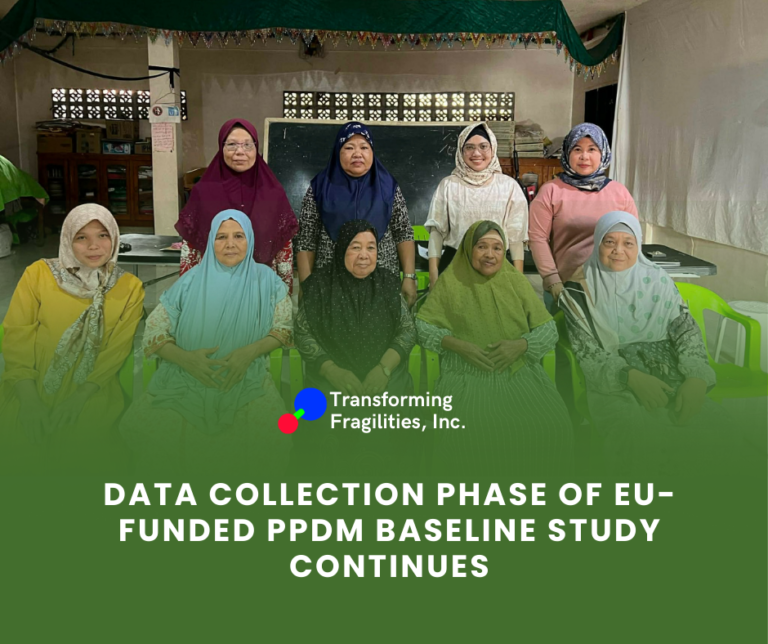
CSO participants included the Consortium of Bangsamoro Civil Society, Kadtuntaya Foundation, Inc., UnYPhil-Women, Inc., Magungaya Mindanao, Inc., Women’s Organization of Rajah Mamalu Descendants (WORMD), Community Organizers Multiversity [Mindanaw], Cotabato City, and the Mindanao Organization for Social and Economic Progress, Inc. (MOSEP)
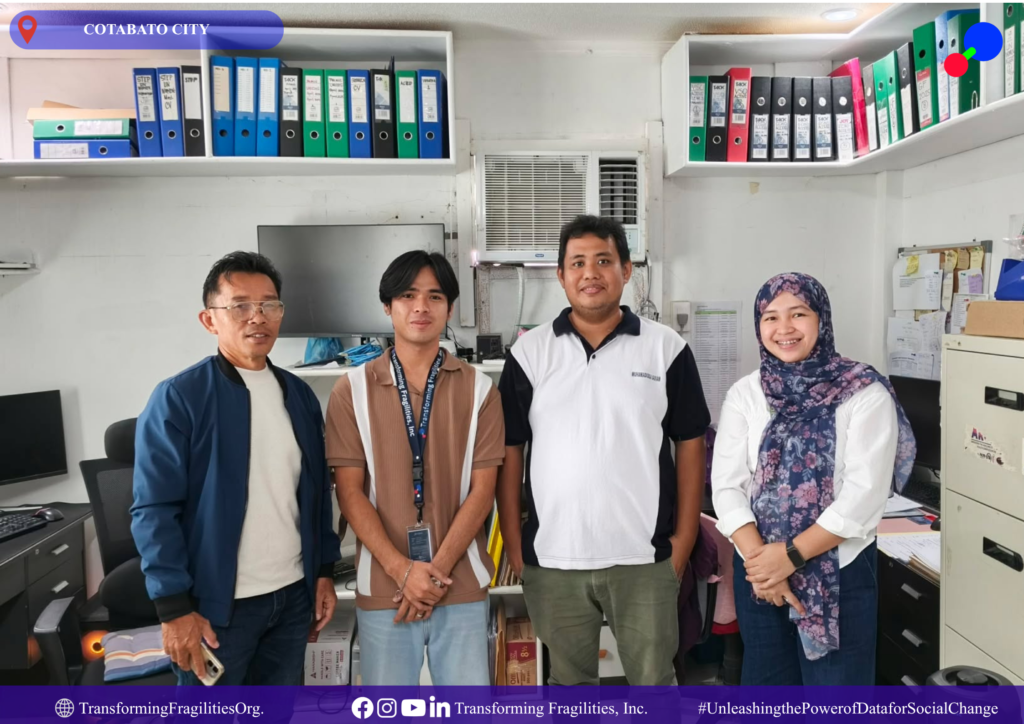
The baseline study establishes reference values for the EU4BARMM results framework indicators in PFM and the Tri-Justice System. It draws on the views of government, justice institutions and civil society, and builds on the earlier scoping study that mapped existing initiatives and institutional constraints in both areas. These reference values will allow the project to track progress over time.
The findings will be handed over to UNOPS and UNDP, respectively, and will inform the implementation of the EU4BARMM Project.
This article was produced with the financial support of the European Union. Its contents are the sole responsibility of Transforming Fragilities, Inc. and do not necessarily reflect the views of the European Union, UNOPS or UNDP.