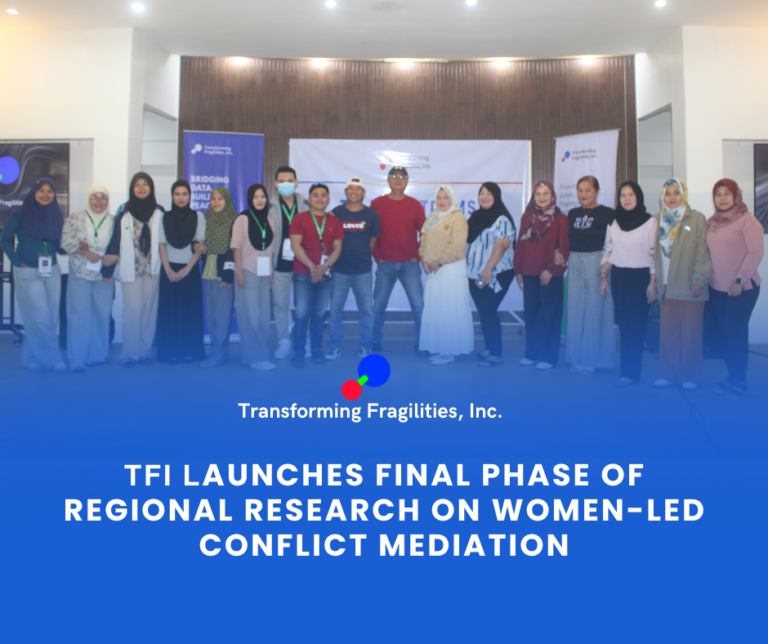
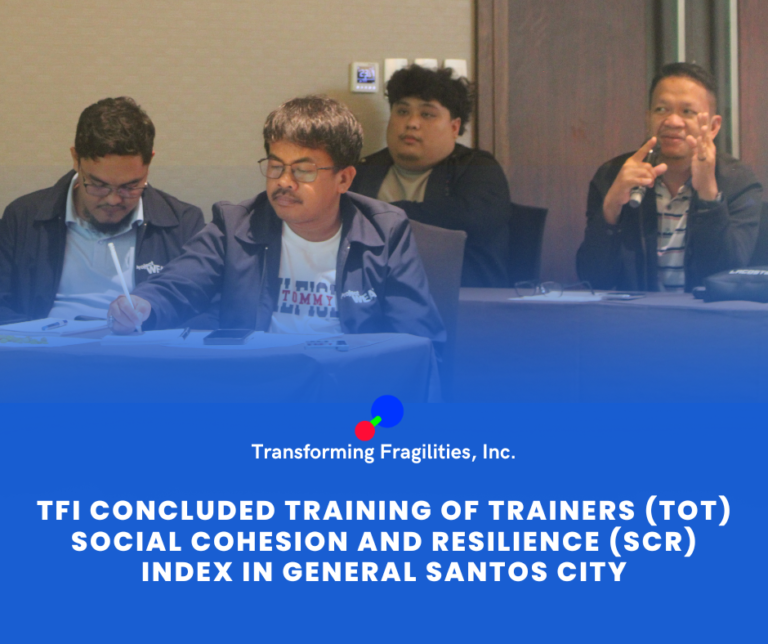
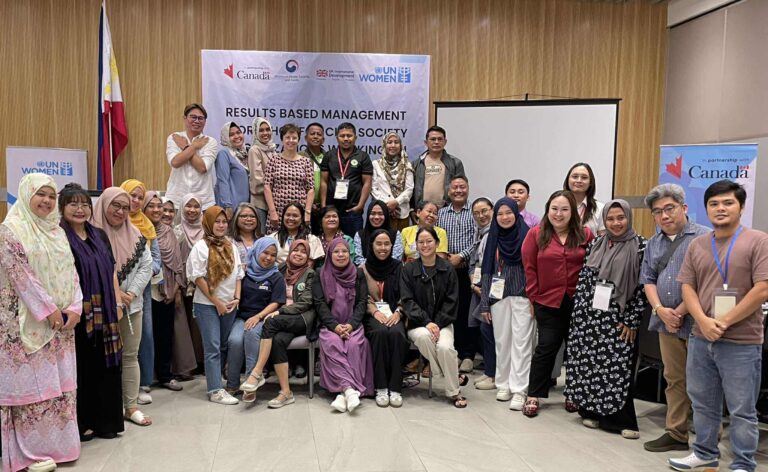
COTABATO CITY, Philippines — Transforming Fragilities, Inc. (TFI) successfully concluded a two-day Indicator Setting Workshop on July 16–17, 2026, at Pagana, Cotabato City, marking a crucial step forward in strengthening the project’s monitoring and evaluation (M&E) systems. Technical teams from TFI brought together representatives from the United Nations Office for Project Services (UNOPS) and the United Nations Development Programme (UNDP) to refine project metrics, ensure alignment with international standards, and establish the groundwork for an upcoming baseline study.
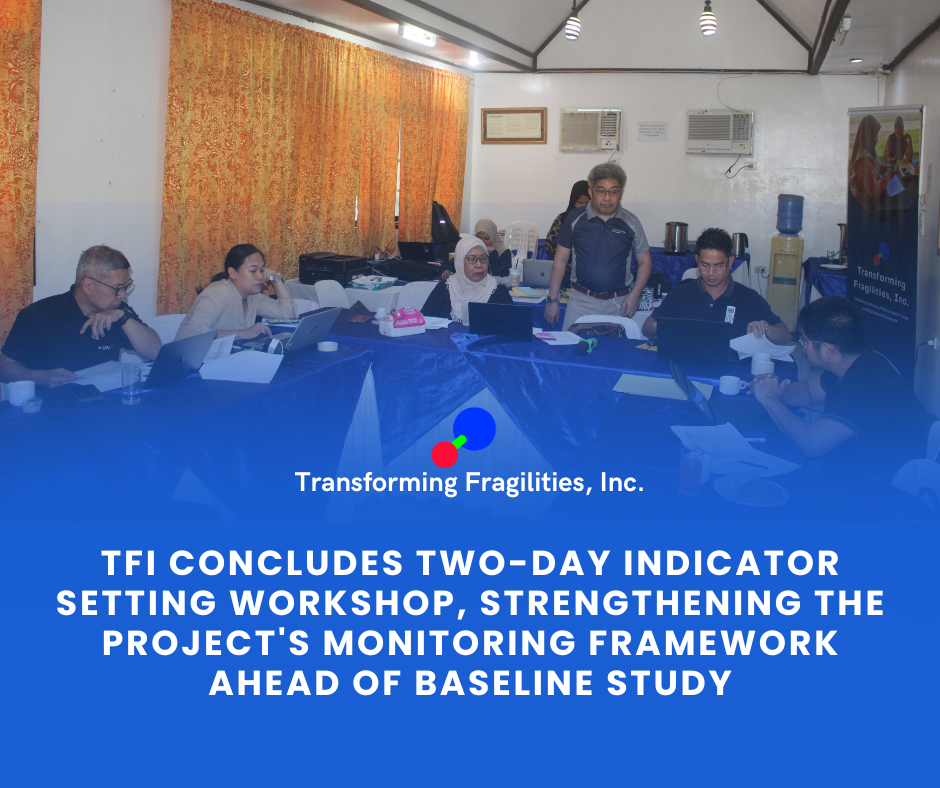
The workshop focused on transitioning the project’s M&E framework away from volume-based activity counts toward active, change-oriented metrics that measure behavioral and systems change. By refining the project indicators, the technical teams worked to ensure that all tracked metrics are practical, measurable, and aligned with donor requirements while maintaining ground-level operational feasibility.
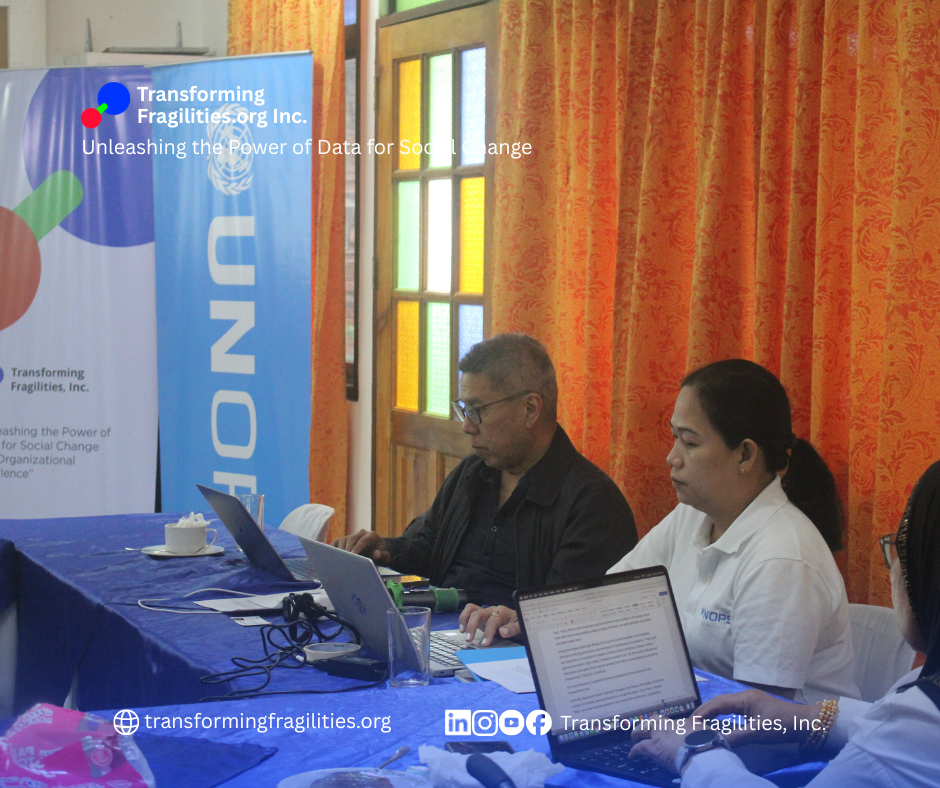
Throughout the technical sessions, participants systematically reviewed and validated project indicators from the Description of the Action (DoA) using the SMART (Specific, Measurable, Achievable, Relevant, Time-Bound) and CREAM (Clear, Relevant, Economical, Adequate, Monitorable) criteria. Using a structured protocol, technical teams conducted a collaborative review to determine whether to retain, modify, or drop specific indicators. This process succeeded in eliminating redundancies and improving clarity across the results hierarchy. Indicators deemed impossible to track under regional capacities were removed, while passive process counts were rephrased into active change metrics.
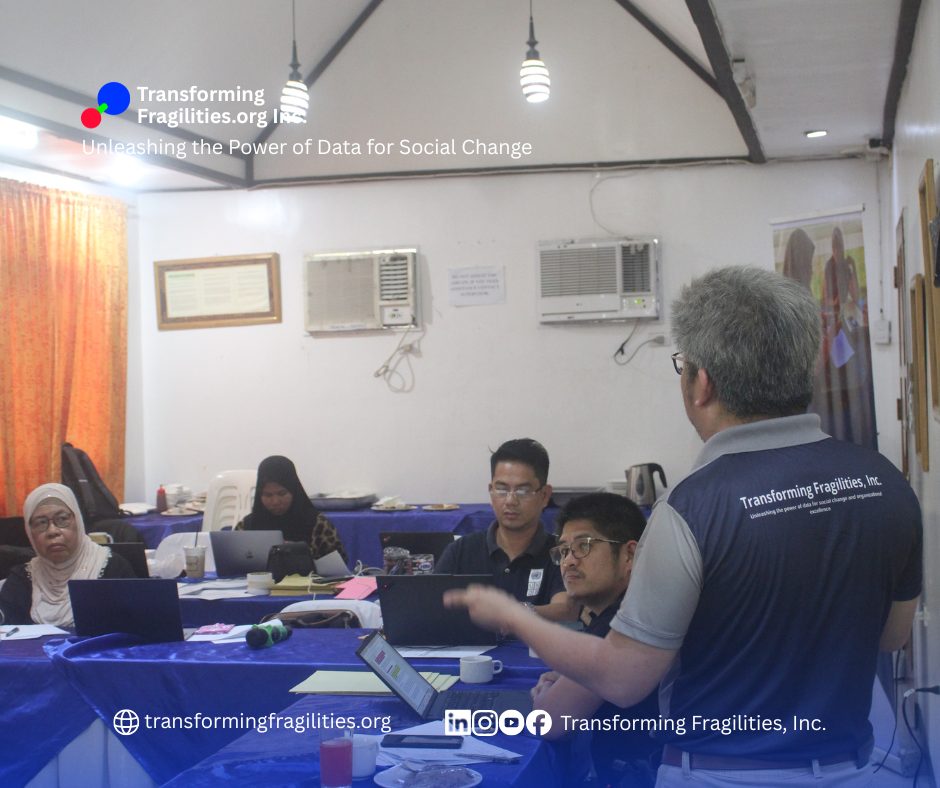
A core outcome of the workshop was bridging project-level indicators with global donor reporting standards. Technical teams mapped the project’s indicators directly to the European Union’s Global Europe Results Framework (GERF), linking local metrics to core impact anchors including Governance and Accountability (GERF 1.21) and Poverty Reduction (GERF 1.23). This mapping process supports standardized reporting through OPSYS while embedding mandatory demographic disaggregation tags, such as gender, age cohorts, geographic location, and Indigenous Peoples (IP) identity.
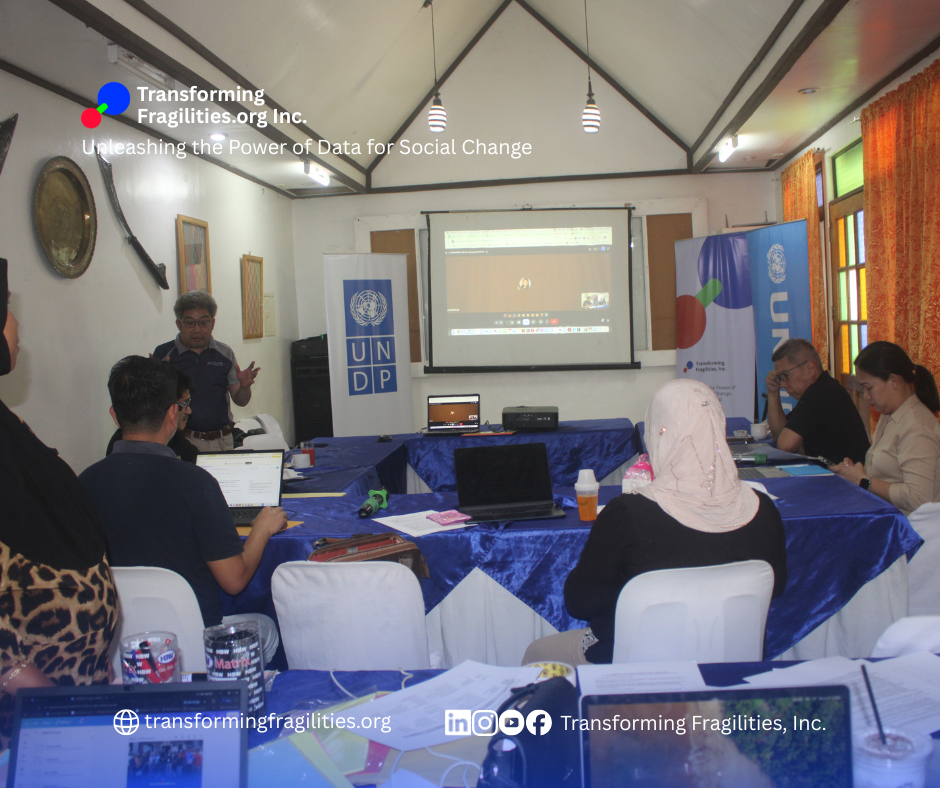
Building on this framework, participants developed Phase 1 Indicator Reference Sheets (IRS) to establish a comprehensive technical dictionary for project monitoring. The workshop prioritized establishing clear definitions of intent, units of measurement, mathematical calculation methods, primary data sources, and required disaggregations. To keep technical discussions grounded, empirical baseline values ($t=0$) and target calibrations were deferred to post-workshop technical sessions following field data collection.
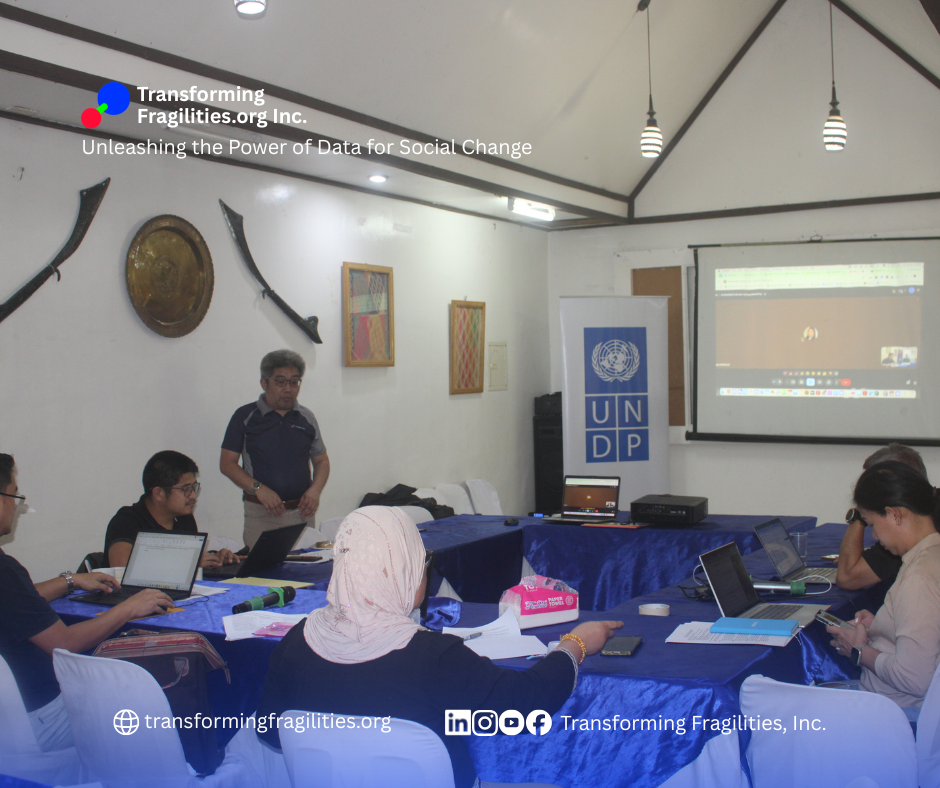
The workshop directly prepared the project for its upcoming baseline study by establishing clear technical definitions and enhancing data readiness. During high-level plenary sessions, participants evaluated operational considerations, institutional data sources, geographic access constraints, and field coordination needs across target regional agencies and local government units in the Bangsamoro Autonomous Region in Muslim Mindanao (BARMM).
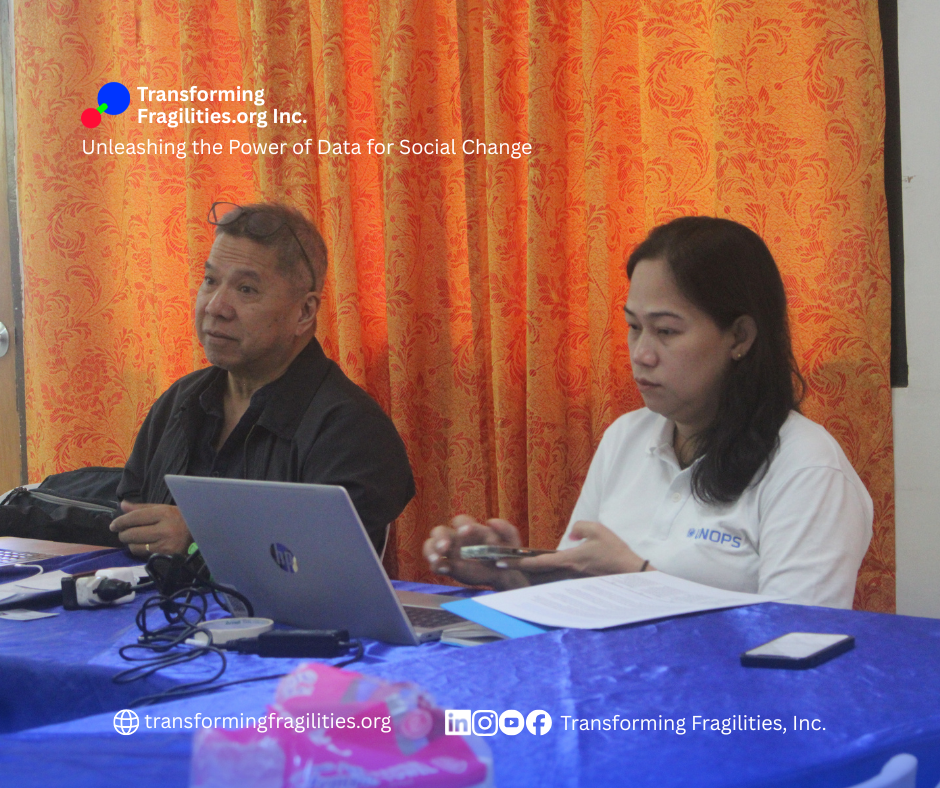
These joint sessions also established strategic alignment for upcoming partner engagements. UNOPS and UNDP will utilize the finalized indicators as core talking points during their upcoming thematic consultations with BARMM ministry partners—including the Ministry of Finance, Budget and Management (MFBM), Ministry of Justice, Attorney General’s Office (MoJA), Bangsamoro Information and Communications Technology Office (BICTO), and Ministry of the Interior and Local Government (MILG). These dialogues will serve to secure institutional data access, align technical expectations, and support implementation planning for field research teams.
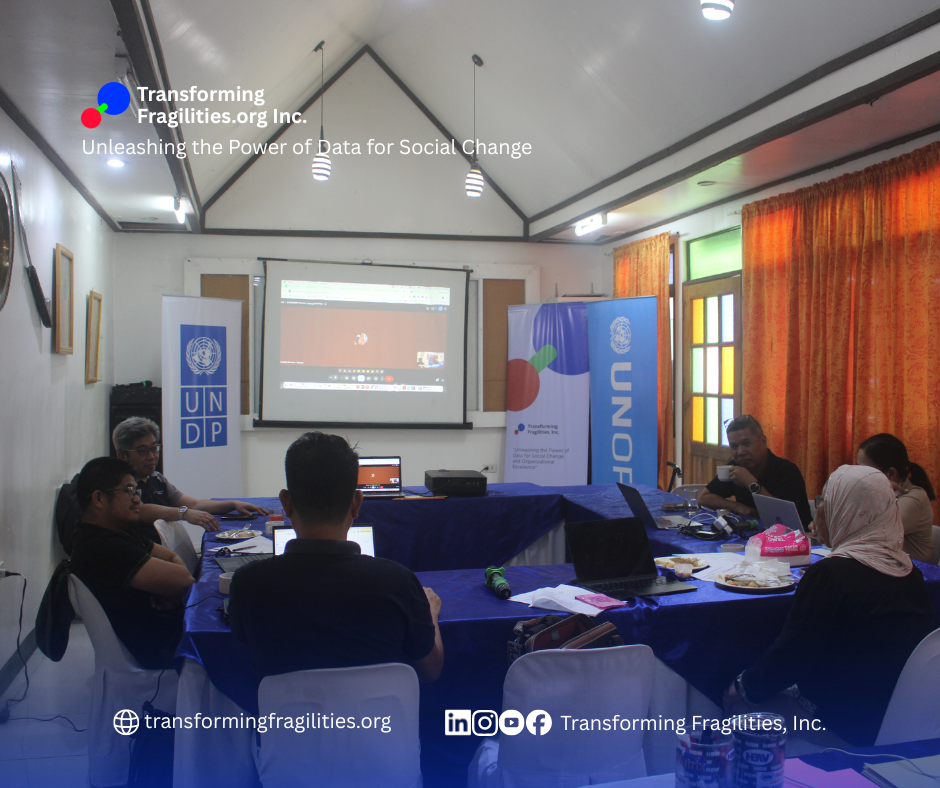
By establishing a verified results framework, TFI reinforces its commitment to evidence-based programming, accountable project implementation, collaborative partnerships, and results-driven development. Following the workshop, agency M&E leads are finalizing technical syntax and remaining metadata fields as field teams prepare for rapid baseline deployment.