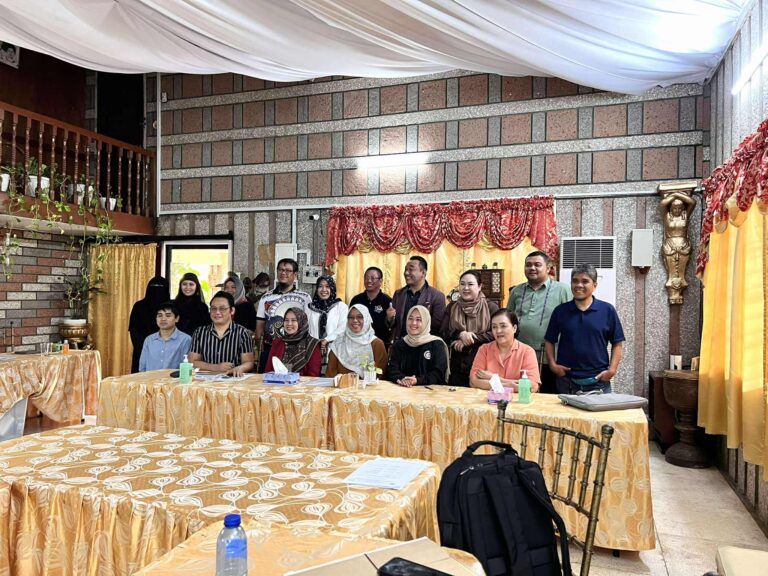
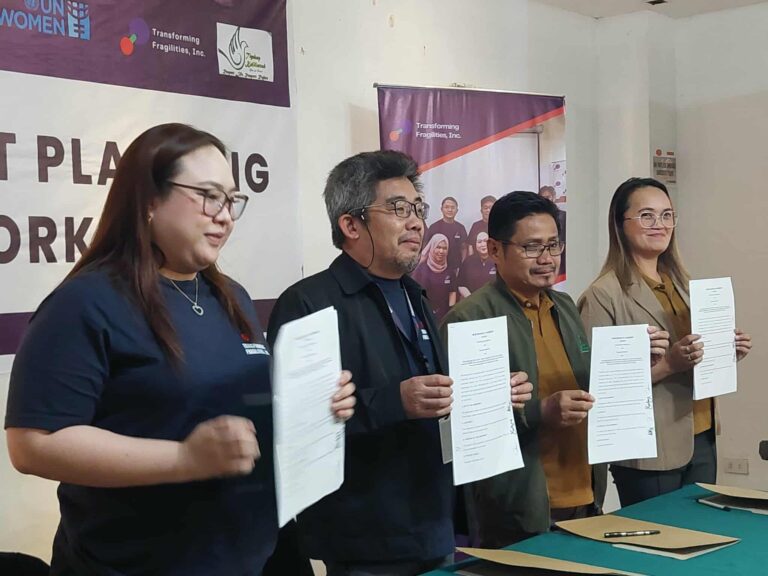
COTABATO CITY, Philippines — Field teams from Transforming Fragilities, Inc. (TFI) have officially concluded an intensive seven-day data-gathering mission throughout the Philippines, marking a critical milestone in the end-of-project evaluation of a landmark climate-resilience initiative.
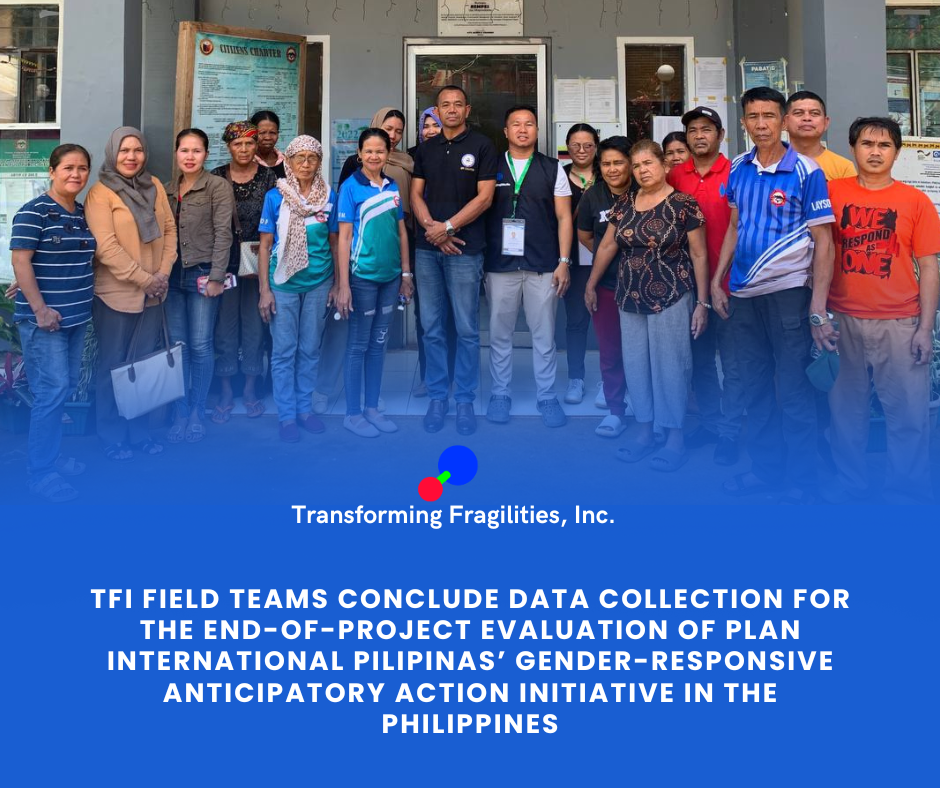
The evaluation reviews the three-year project, “Strengthening Structures for Anticipatory Humanitarian Action for Gender-Responsive and Inclusive Disaster Management in the Philippines.” Implemented by Plan International Pilipinas Foundation Inc. in partnership with Plan International Deutschland e.V., the initiative is funded by the German Federal Foreign Office (GFFO). Its core mission is to shift the humanitarian sector from reactive disaster response to proactive, forecast-based anticipatory action before extreme weather hits.
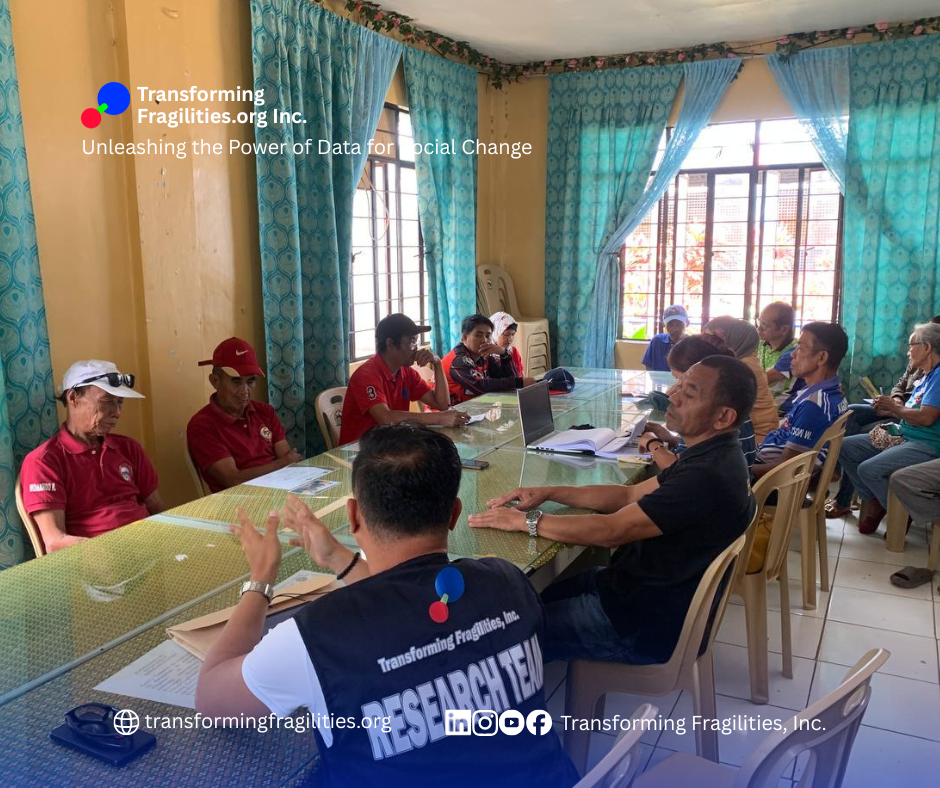
To measure the real-world impact of this paradigm shift, TFI deployed consultancy and field teams into two distinct, highly climate-vulnerable environments:
Eastern Samar: The typhoon-prone coastal belt, including frontline barangays in Salcedo and Llorente.
Maguindanao (BARMM): Flood-prone, conflict-affected municipalities in the Bangsamoro Autonomous Region in Muslim Mindanao.
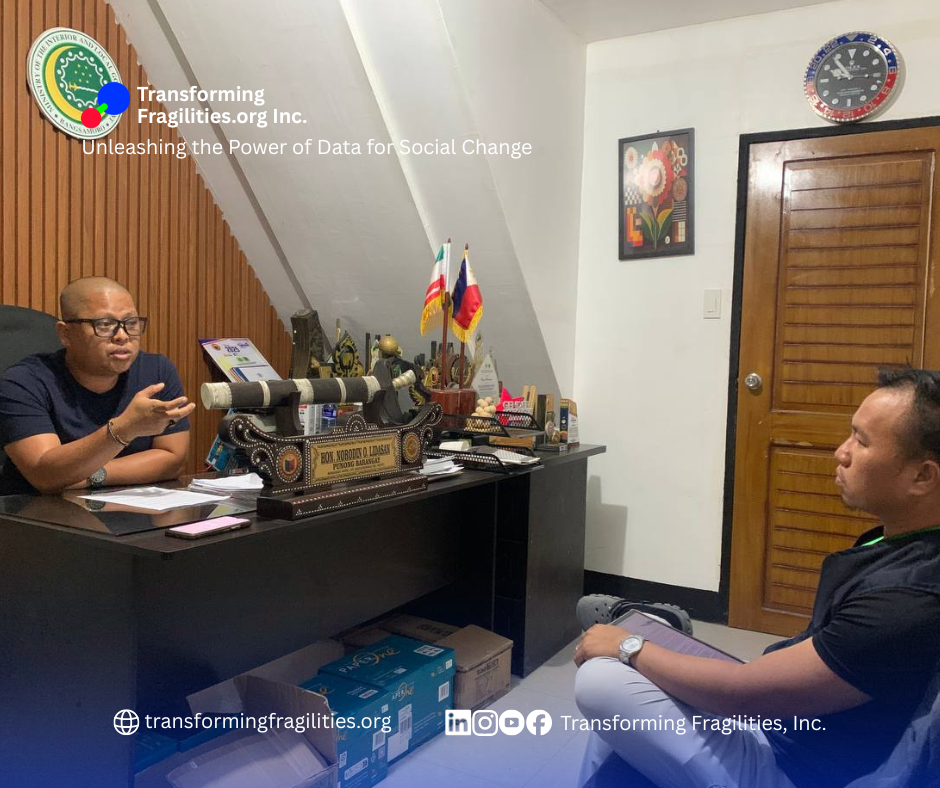
Teams navigated difficult terrain across targeted barangays to ensure marginalized voices were represented. Visual inspections and interviews were conducted in remote communities, including Matuber, Penansaran, Tubuan, and Pura in Datu Blah Sinsuat; and Rempes, Nangi, Nuro, and KabaKaba in upland Upi.
A Focus on Intersectionality and GEDSI
Recognizing that climate disasters disproportionately impact youth, children, women, and persons with disabilities (PWDs), TFI built an evaluation framework merging standard OECD-DAC criteria with Plan International’s Gender Equality, Disability, and Social Inclusion (GEDSI) framework.
The project directly targets thousands of highly vulnerable individuals. These include pregnant and lactating women, female-headed households, senior citizens, internally displaced persons (IDPs), and indigenous communities, specifically the Teduray tribe in upland Upi.
The evaluation utilized a rigorous mixed-methods approach to assess project benchmarks over the one-week deployment:
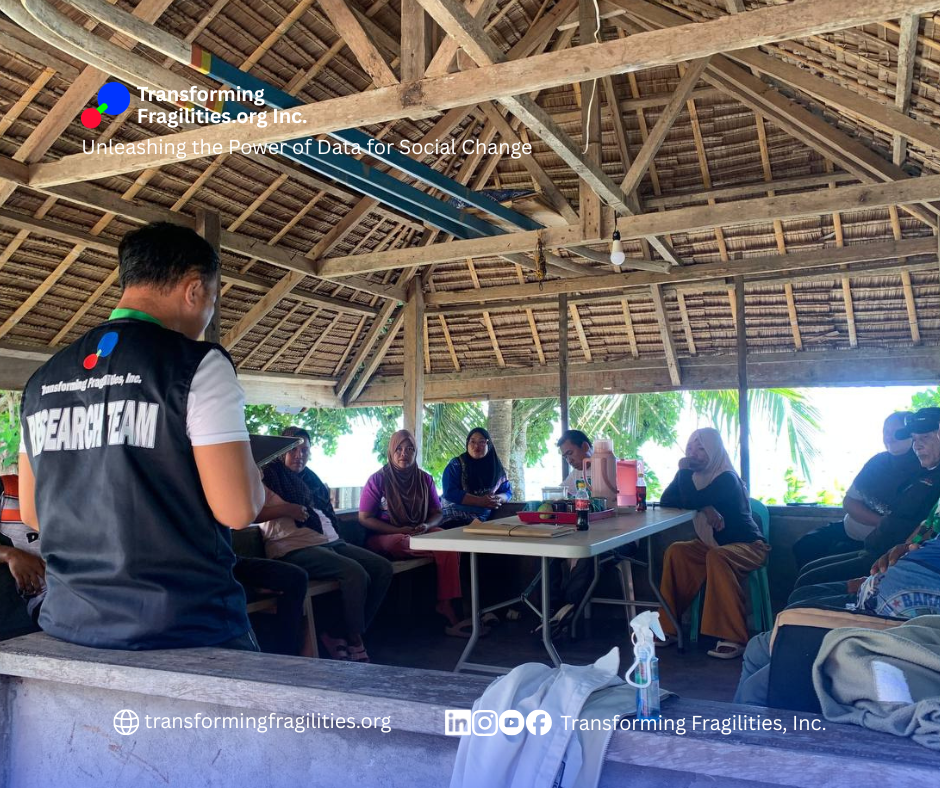
Qualitative Focus Groups (FGDs): Evaluated the deployment of pre-disaster interventions. These included the pre-positioning of specialized Minimum Initial Service Package (MISP) kits, Gender-Based Violence (GBV) protection kits, child-friendly visual risk communication, and the mobilization of trained Psychological First Aid (PFA) volunteers and Youth Peer Educators.
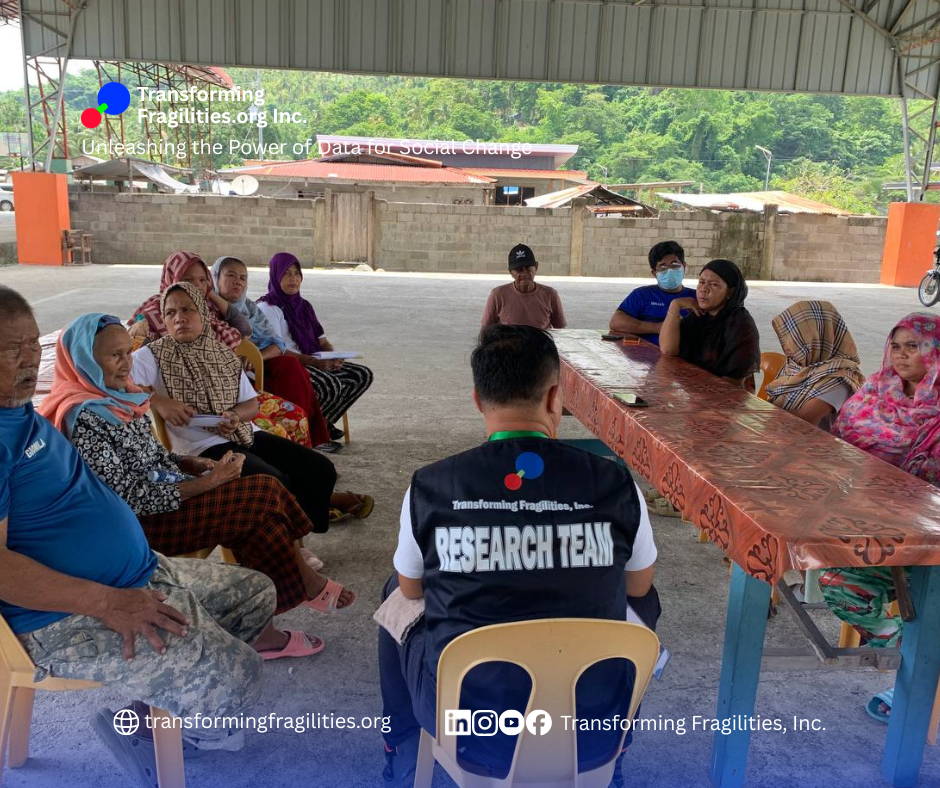
Quantitative Surveys: Used stratified household surveys to measure measurable shifts in emergency preparedness, such as the localized use of family preparedness plans and pre-positioned survival bags.
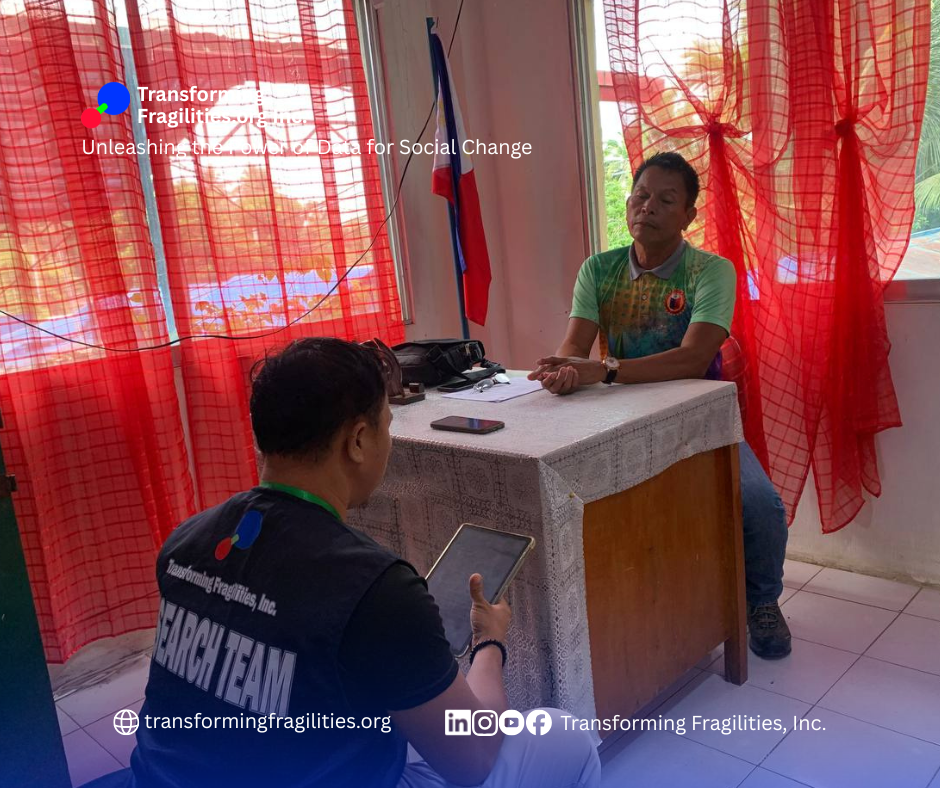
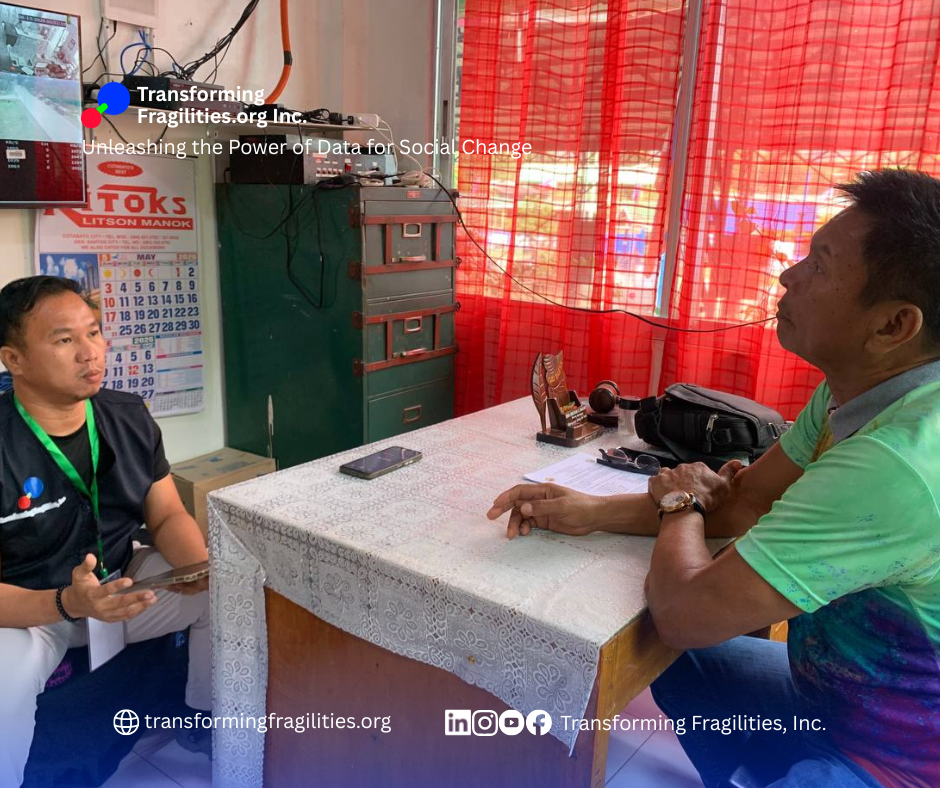
Key Informant Interviews (KIIs): Assessed institutional sustainability by interviewing local chief executives, Municipal Disaster Risk Reduction and Management Officers (MDRRMOs), Rural Health Units, and social welfare departments.
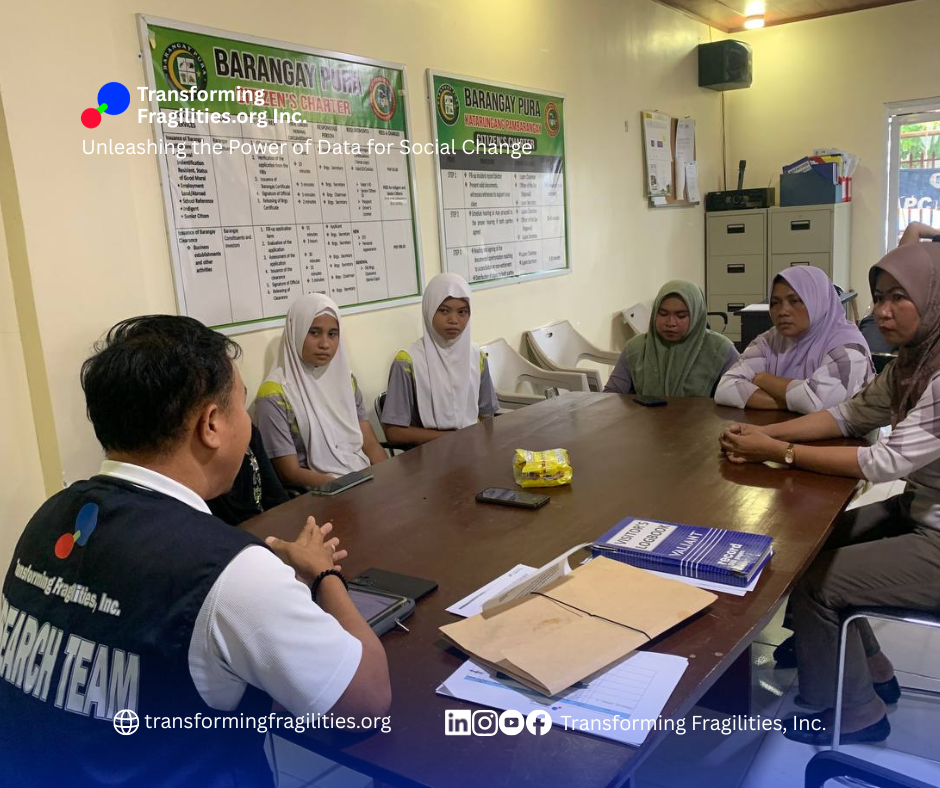
A primary focus of these institutional interviews was verifying how well local budgets align with landmark national frameworks, specifically Republic Act No. 12287 (the Declaration of State of Imminent Disaster Act), ensuring that proactive safety protocols remain permanently embedded in local government structures.