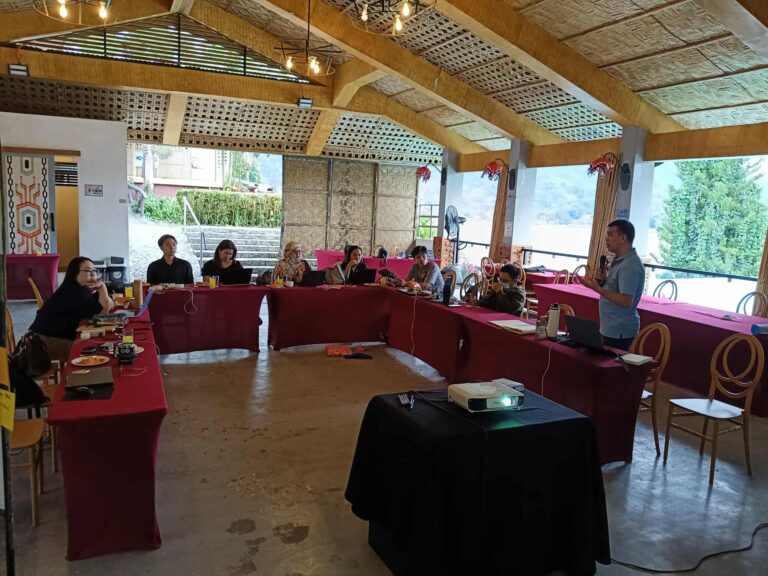
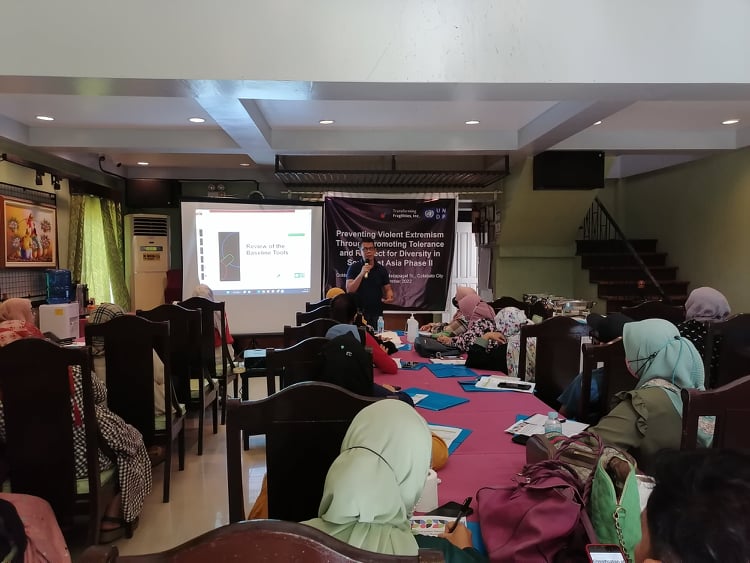
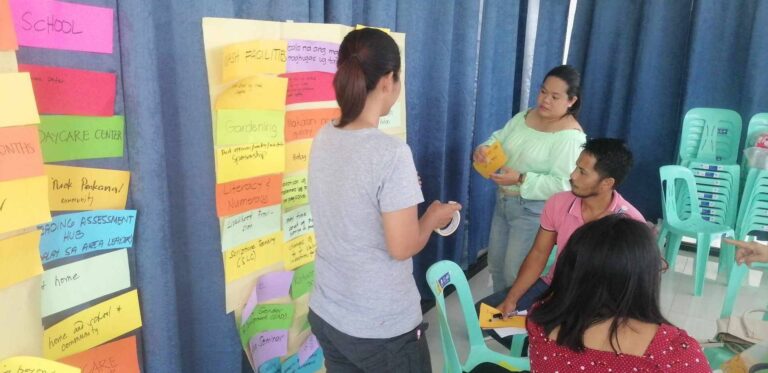
GENERAL SANTOS CITY — Local government units (LGUs) and technical staff from across the Bangsamoro Autonomous Region in Muslim Mindanao (BARMM) gathered at the Grand Summit Hotel for a Trainers’ Training on the Social Cohesion and Resilience (SCR) Index. The initiative, funded by the Australian Government and implemented by The Asia Foundation (TAF) in partnership with Transforming Fragilities, Inc. (TFI), aims to institutionalize a participatory, evidence-based self-assessment tool for local governance.
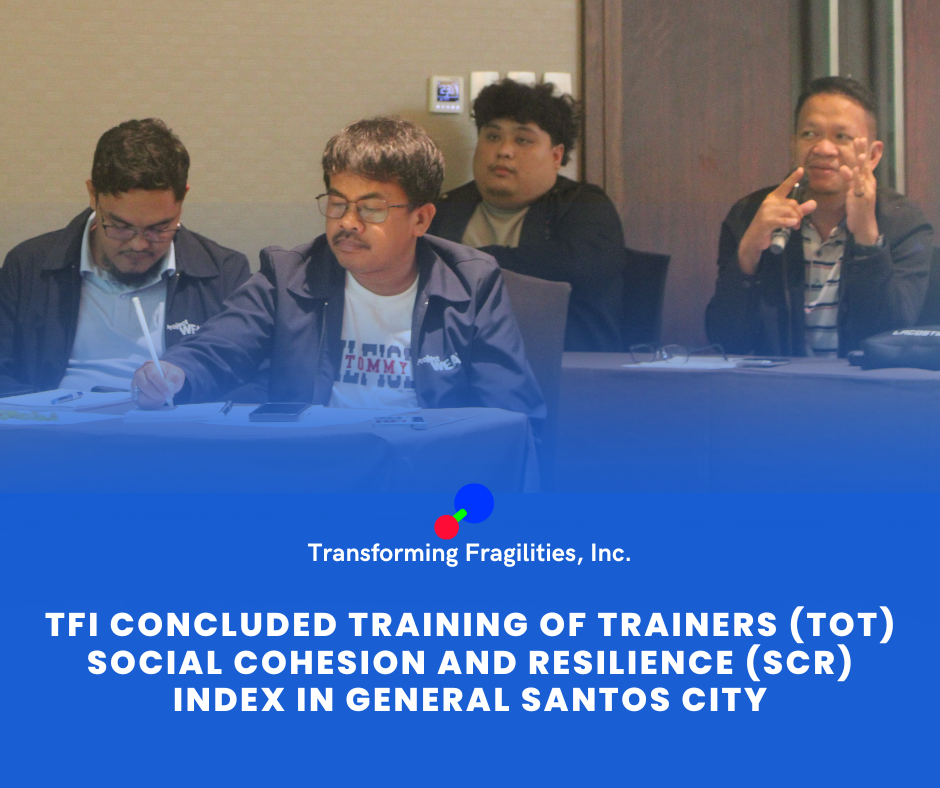
The SCR Index is designed as a participatory, LGU-led tool to help municipalities assess how their governance practices contribute to community solidarity and public safety. Unlike traditional audits, the Index serves as a reflective mechanism for Local Government Units (LGUs) to identify strengths and gaps, ultimately translating data into actionable strategies for local planning instruments like the Annual Investment Program (AIP) and Comprehensive Development Plan (CDP).
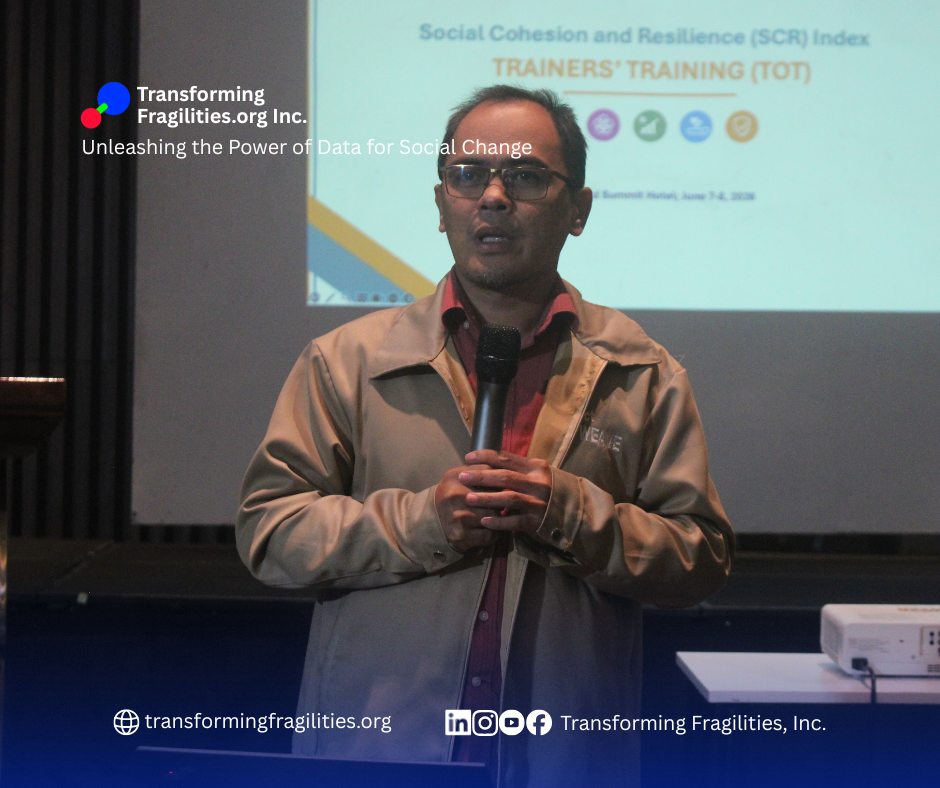
The training centered on five interdependent pillars that the SCR Index measures. Under Inclusive and Participatory Governance, the tool looks at how citizen attendance translates into actual influence over decisions. Community Belongingness and Social Solidarity focuses on creating shared spaces that build trust across diverse identity groups. Local Economic Development (LED) ensures equitable resource distribution to prevent local grievances. Service Delivery looks at providing fair, data-guided, and responsive basic services. Finally, Public Order and Safety focuses on sustaining conflict prevention and mediation through community stakeholders.
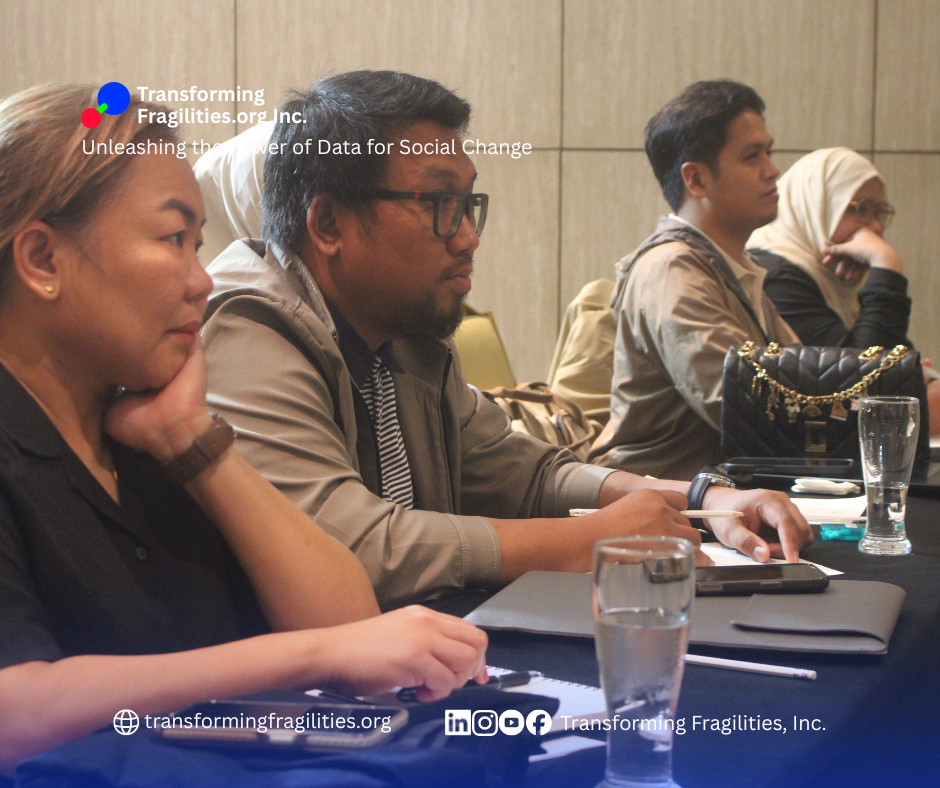
A core feature of the SCR Index is the 1-5 scoring scale, which measures the maturity of local practices rather than just the frequency of activities. A score of one signifies Presence, meaning the mechanism is absent or minimal. A score of two stands for Starting or Operation, where actions are ad hoc or irregular. A score of three marks a Developing or Performance stage, where systems are present with partial reporting. A score of four denotes a Strong or Influence level, meaning practices are well-documented and influence local decisions. A maximum score of five indicates an Institutionalized practice that is legally funded, monitored, and publicly reported.
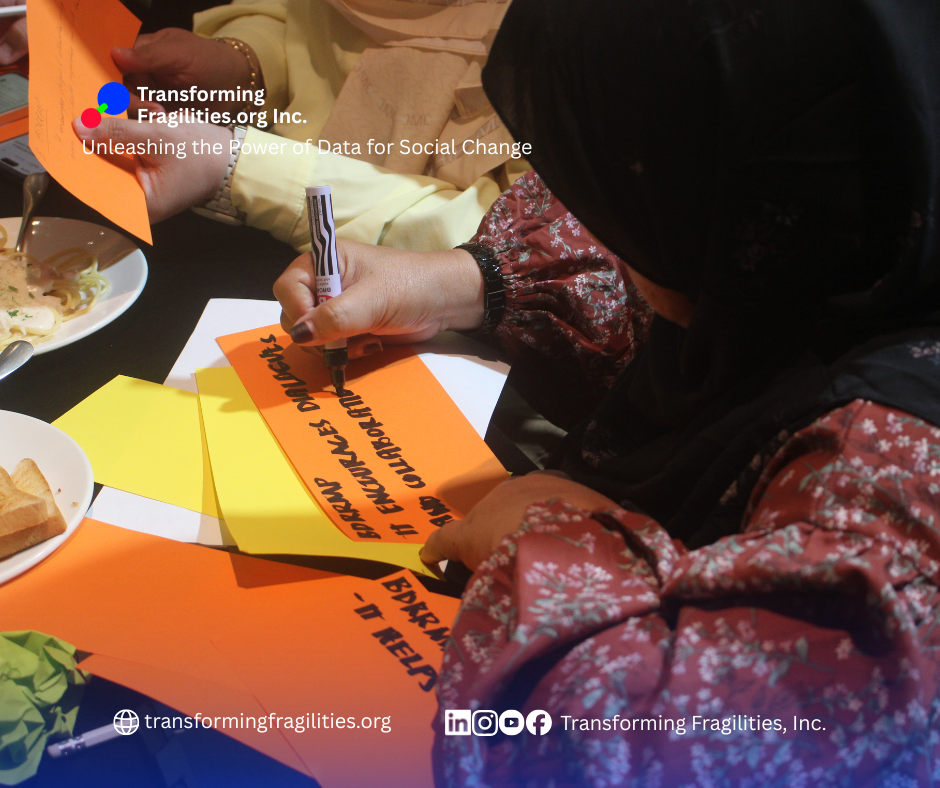
To ensure the integrity of the assessment, any score above a two must be justified by written notes and verifiable evidence, such as executive orders, minutes of meetings, or budget entries.
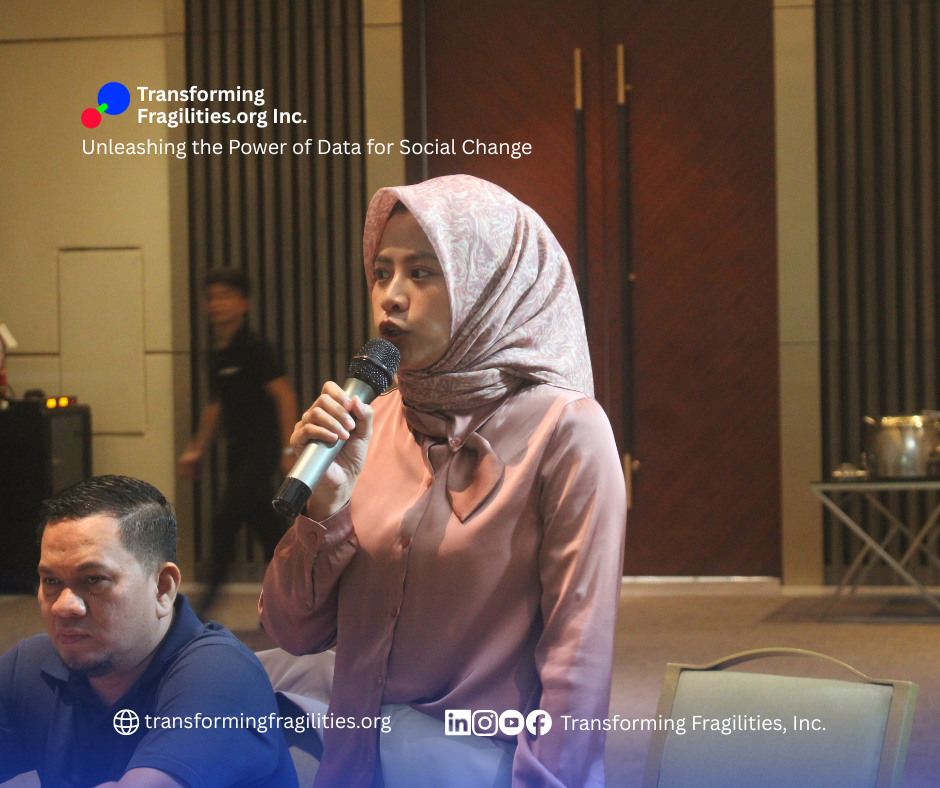
Prior to the training, a needs assessment revealed that while participants were highly familiar with standard planning documents, they felt less confident in applying SCR-specific concepts. In response, the training shifted from theory to heavy simulation, focusing on managing scoring disagreements and using the SCR workbook.
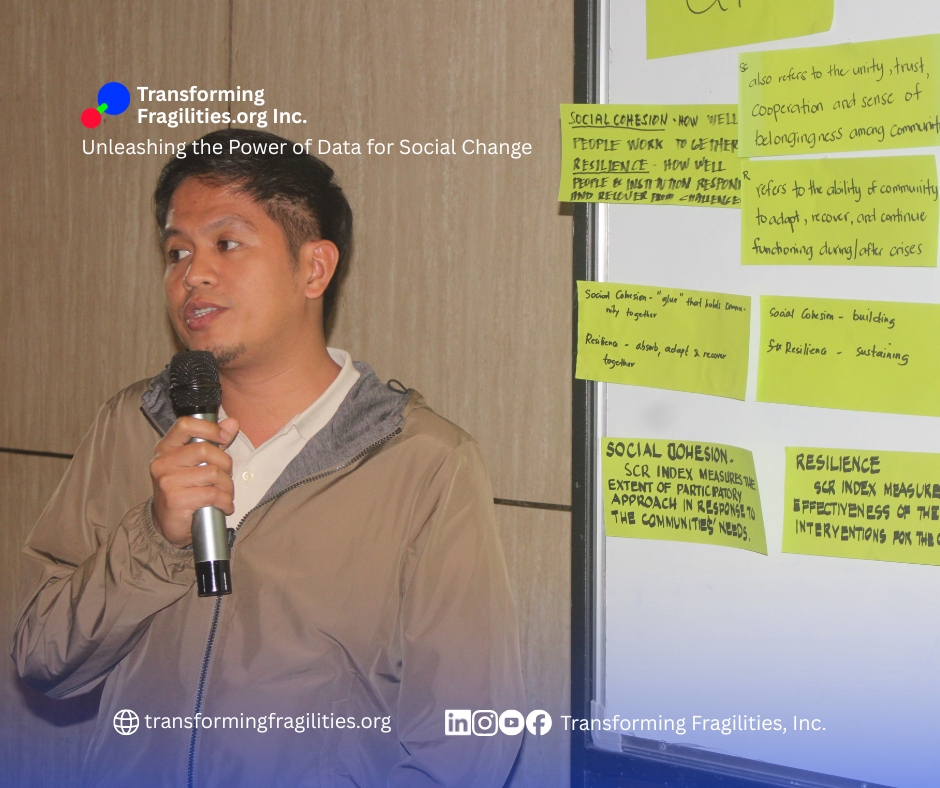
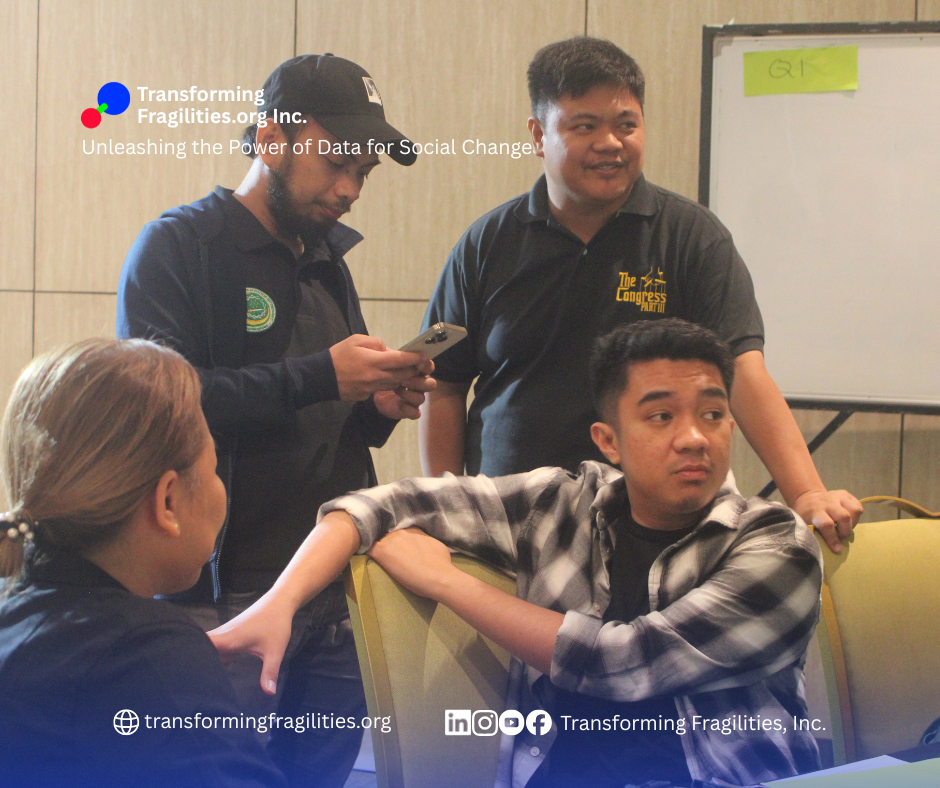
The participants—representing ten partner LGUs from Basilan, Maguindanao del Norte, Maguindanao del Sur, and Lanao del Sur—are now prepared to act as facilitation pairs. Their immediate task is to return to their municipalities and convene “evidence holders” to conduct the actual assessment.
During a workshop synthesis, participants shared that social cohesion acts as the foundation or glue that fosters trust, while resilience is the capacity of communities to absorb, adapt to, and recover from challenges. The ultimate end state of this program is a pool of trained facilitators capable of ensuring that the results of the SCR Index lead to safer, fairer, and more resilient Bangsamoro communities.