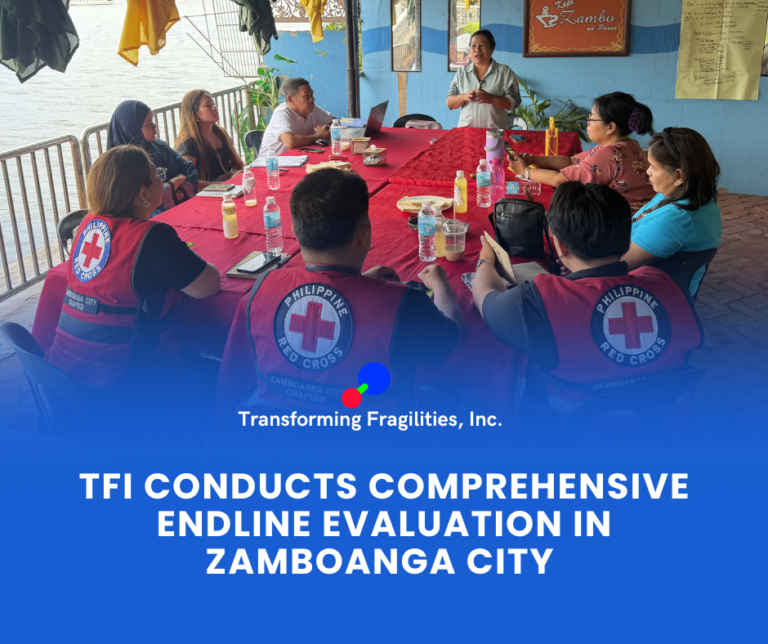
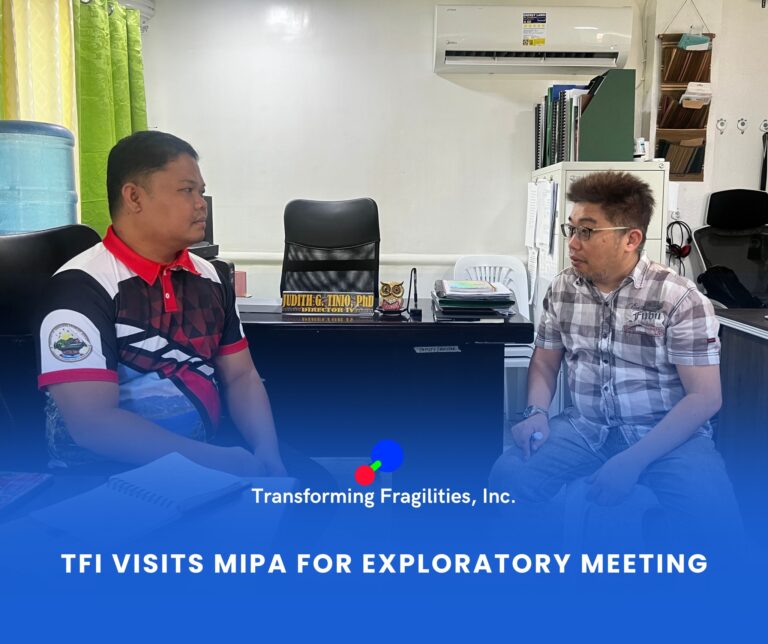
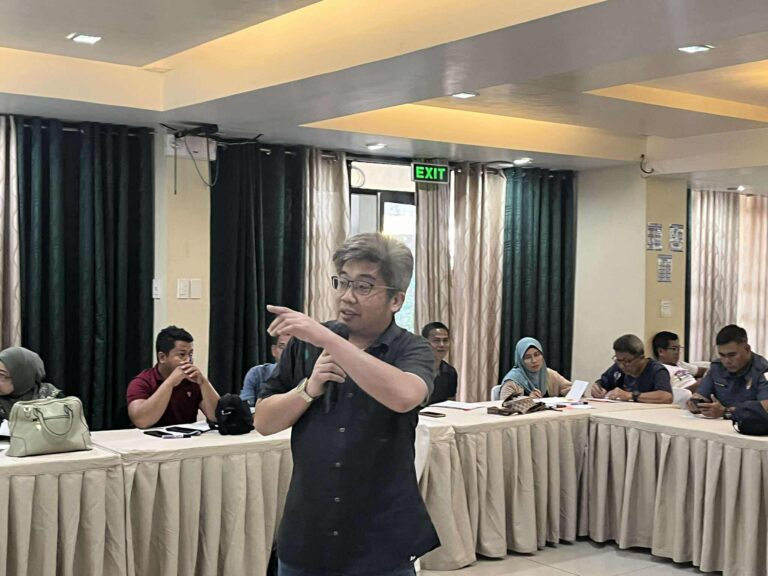
COLUMBIO, SULTAN KUDARAT—Transforming Fragilities, Inc. (TFI), in partnership with UN Women Philippines and the Women’s Peace and Humanitarian Fund (WPHF), officially deployed field teams to launch a comprehensive research study mapping horizontal conflict and evaluating women’s roles as community mediators. Building on 2021 baseline data from Lanao del Sur and Basilan, this deployment expands operations into Maguindanao del Sur, Maguindanao del Norte, North Cotabato, Sultan Kudarat, and the Special Geographic Area (SGA) through localized surveys and community discussions.
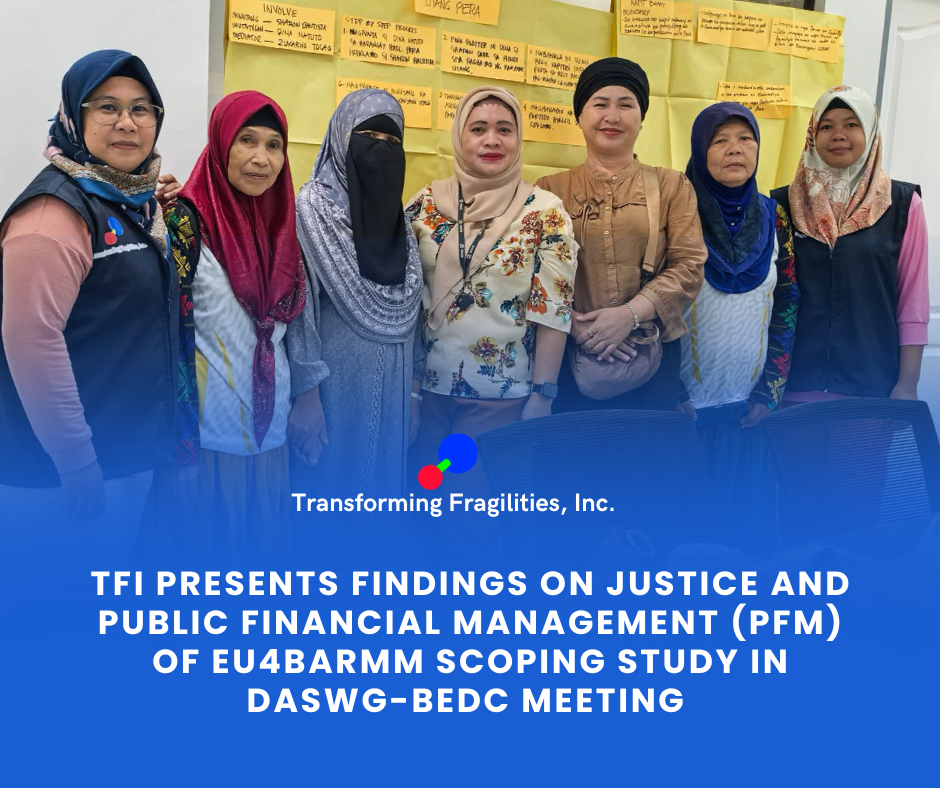
Traditional formal mediation often focuses narrowly on stopping immediate violence rather than reshaping the unequal power structures and socioeconomic inequities that drive cyclical crises. TFI’s research operationalizes United Nations Security Council Resolution 1325 and aligns with the Bangsamoro Women Commission’s.
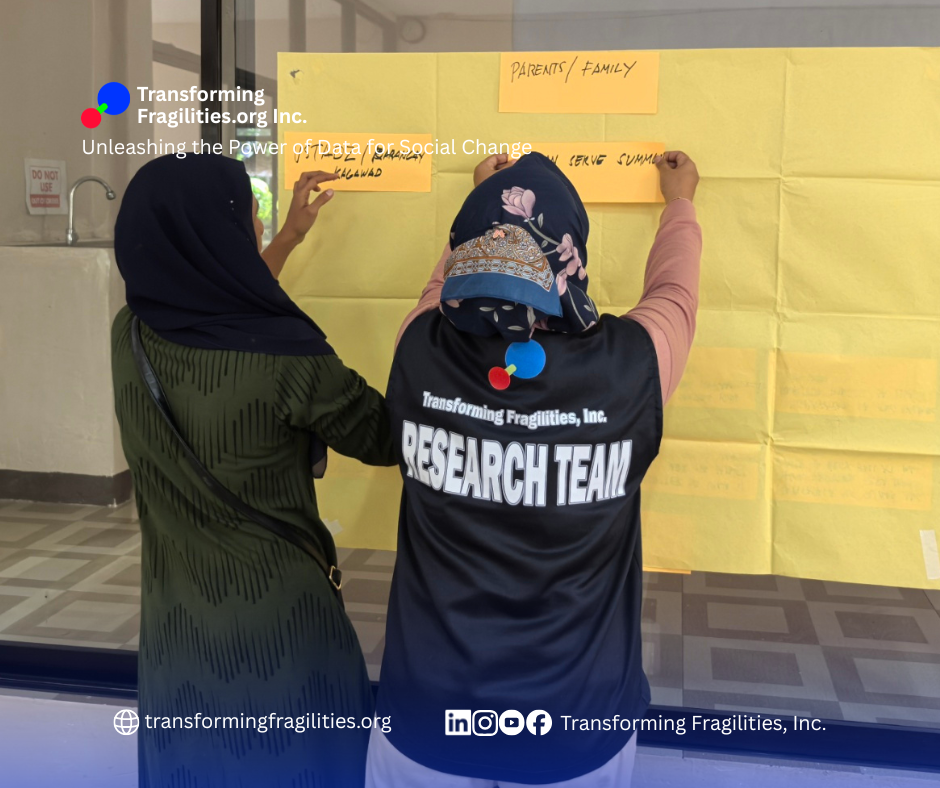
Field data highlights that horizontal conflicts do not occur in isolation but form an interlocking matrix of grievances. Clan feuds, or Rido, are fueled by political rivalries and family honor, which directly overlap with systemic land and property disputes. These triggers are further aggravated by socioeconomic contagions like illegal drugs, local crime, and domestic disputes that spill into the public sphere.
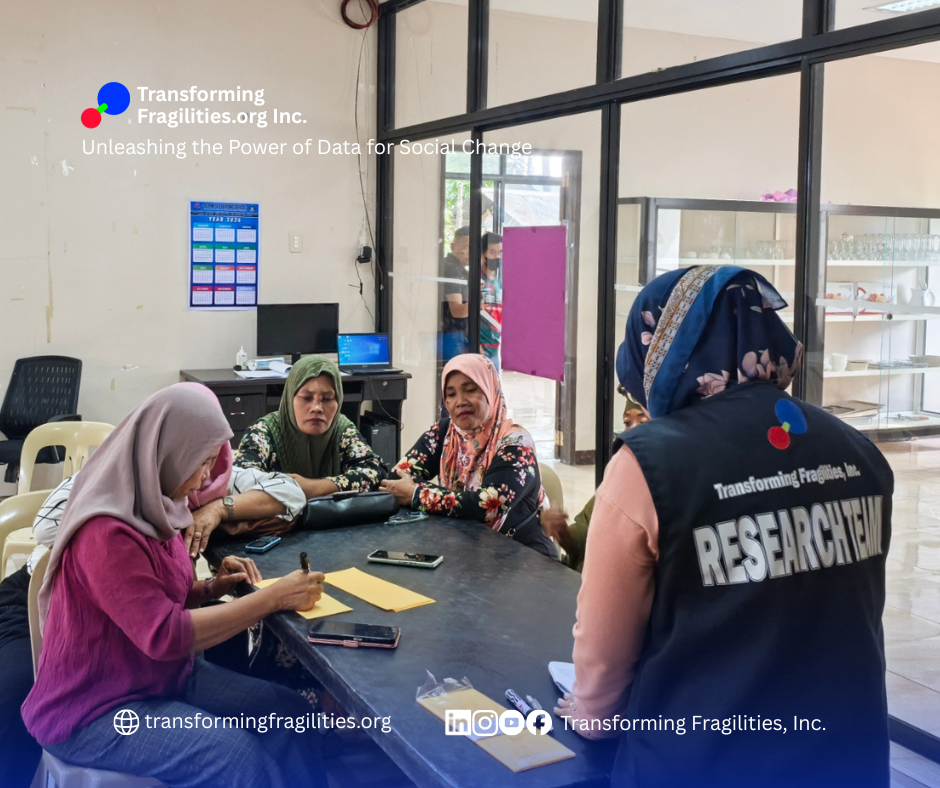
A central paradox exists, while communities conceptually acknowledge that women can mediate, women remain largely invisible in public peace initiatives. Joint-mediation sessions carry volatile safety and security risks, prompting traditional norms to place men in the public spotlight to buffer women from danger and preserve the male image as the visible “problem solvers”.
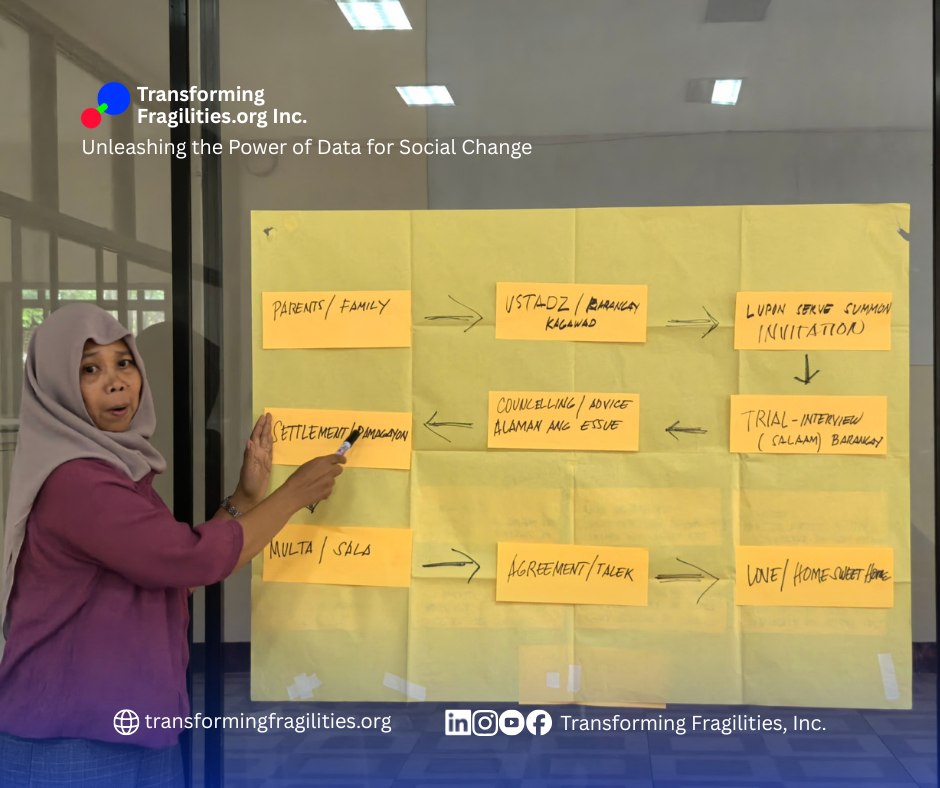
Despite this public exclusion, Moro women actively drive conflict resolution through highly strategic backdoor diplomacy. Because local social norms strictly demand that men respect and uphold the safety of all women, female mediators possess cross-boundary mobility, safely navigating between warring factions when male leaders face immediate physical risks. Women utilize high emotional intelligence and an appeal to emotion to placate combatants, making them more open to settlement. Furthermore, women serve as vital information repositories and strategists; when public negotiations hit a bottleneck, they routinely formulate the quiet compromises that allow male leaders to resolve the deadlock and claim public credit.
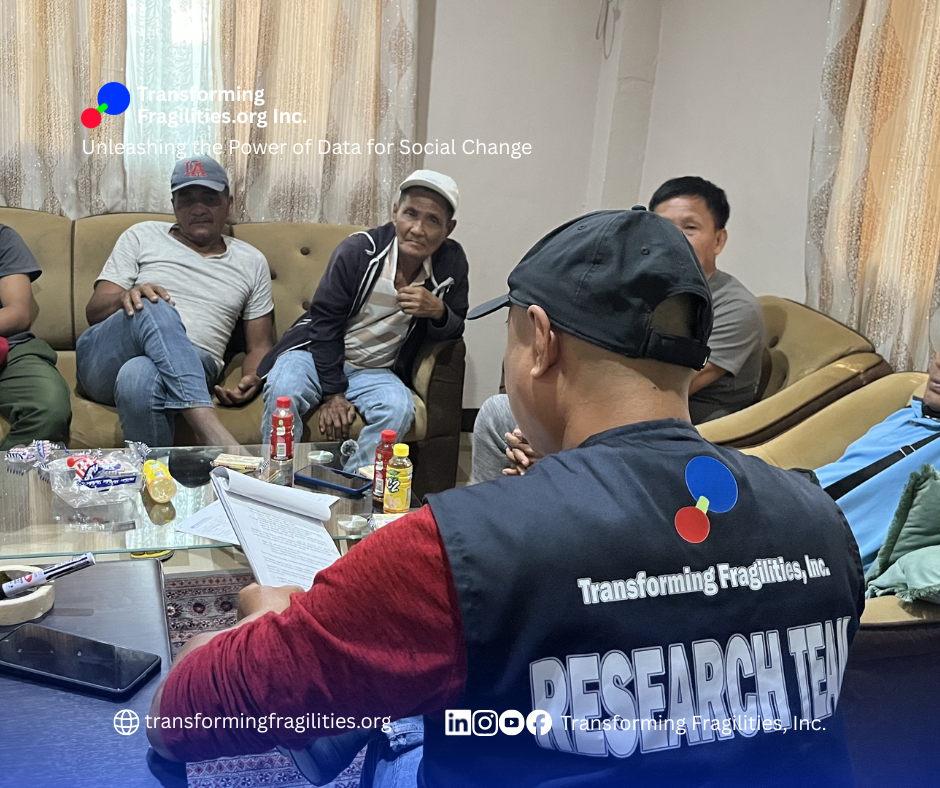
As deployment progresses across the target provinces, TFI aims to translate these insights into a technical framework that explicitly defines and institutionalizes women’s roles within formal mechanisms like the Lupon Tagapamayapa (Barangay Justice System) and informal traditional structures. Publicly acknowledging these hidden resources for peace is essential to cultivating a truly inclusive, resilient, and sustainable Bangsamoro.