COTABATO CITY – Transforming Fragilities, Inc. (TFI) recently unveiled the key findings and strategic recommendations from its EU4BARMM Scoping Study during the Development Administration Sectoral Working Group (DASWG) meeting at the Bangsamoro Planning and Development Authority (BPDA) Conference Hall. This study, part of the support to the institutional strengthening component of the PPDM-EU4BARMM Programme, aims to identify institutional challenges and evaluate potential technical solutions in preparation for the 2026 regional legislative transition. TFI employed a qualitative mixed-methods approach, conducting 34 Key Informant Interviews and 5 Focus Group Discussions across various governance systems, the tri-justice sector, and public financial management.
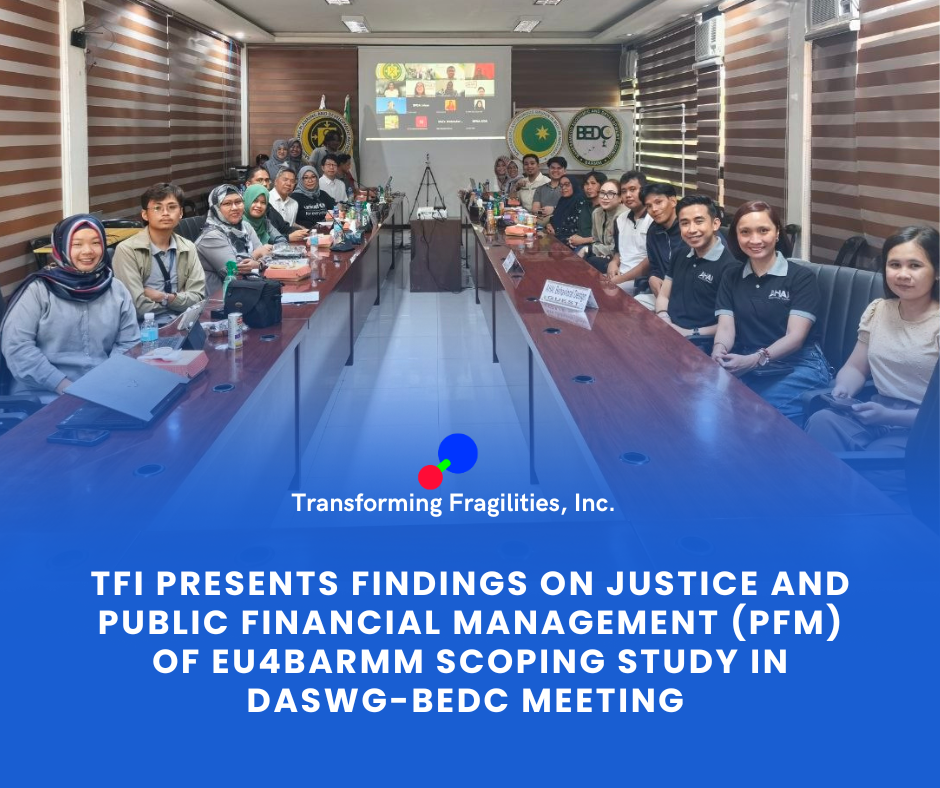
The meeting was held at the BPDA Conference Hall, Bangsamoro Government Center, Cotabato City, on May 21, 2026, and focused on regional governance, public financial management, development updates, and strategic policymaking. Key participants and presenters leading these discussions were Engr. Khalid S. Dumagay, Minister of the MILG, Jordan S. Bayam’s representative; Ms. Emily Mercado, representative of the European Union, Ms. Hasna A. Adam, and Ms. Norhana B. Juanday, both of the BPDA. They were joined by representatives of Transforming Fragilities, Inc. (TFI), United Nations Development Programme (UNDP), United Nations Office for Project Services (UNOPS), and AHA! Behavioral Science.
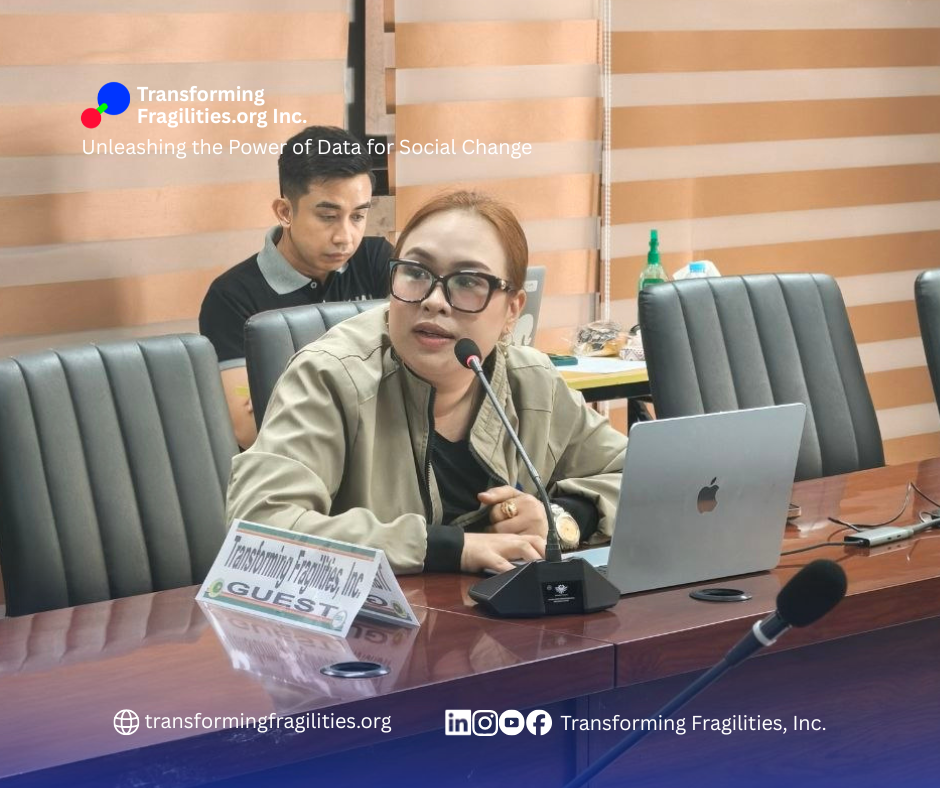
In terms of governance systems, the study revealed a significant gap in standardization, where the principle of “Moral Governance” hasn’t yet been effectively integrated into everyday administrative procedures. This sometimes leads to a hesitance among officials to take risks. The study also noted instances of performative compliance, where some local government units adjust their budgets merely to meet audit requirements instead of focusing on genuine grassroots needs. To address these issues, TFI suggested the immediate creation of technical compliance manuals and unit-level Standard Operating Procedures to firmly embed Moral Governance into standardized civil decision-making.
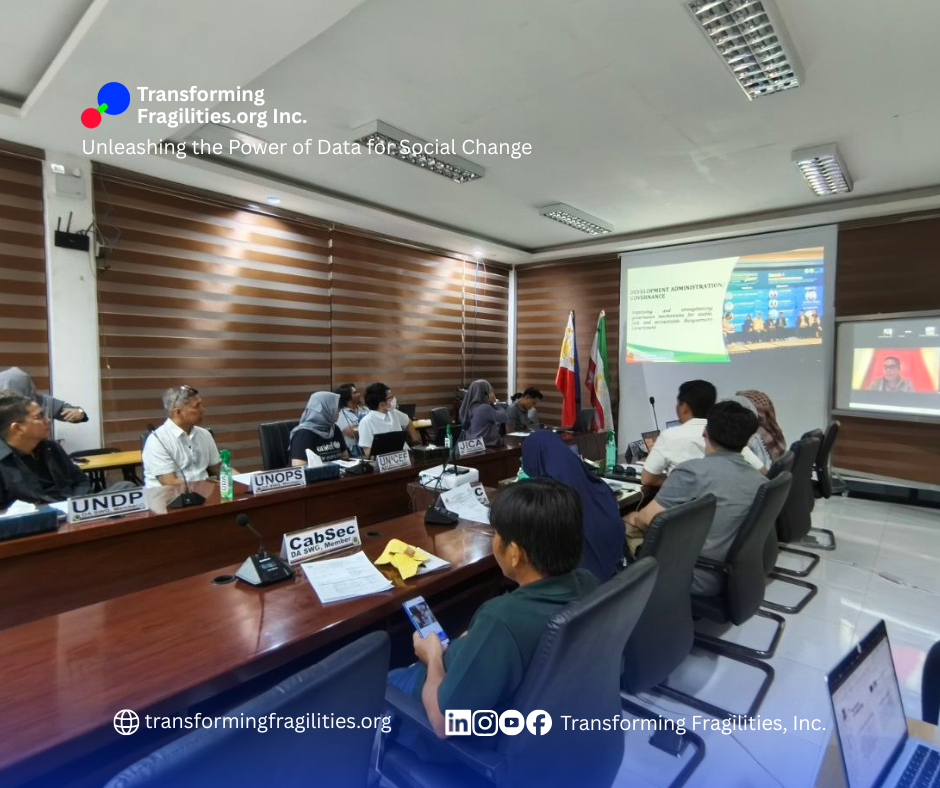
In the tri-justice sector, TFI pointed out a troubling imbalance in statutory recognition, as laws passed by the Bangsamoro Transition Authority Parliament are often ignored in formal courts due to national prosecutors being accountable only to the national government. This disconnect pushes those seeking justice to turn to traditional or revolutionary leaders for quicker resolutions. The assessment also highlighted marginalized mechanisms that need attention to ensure a more equitable justice system.
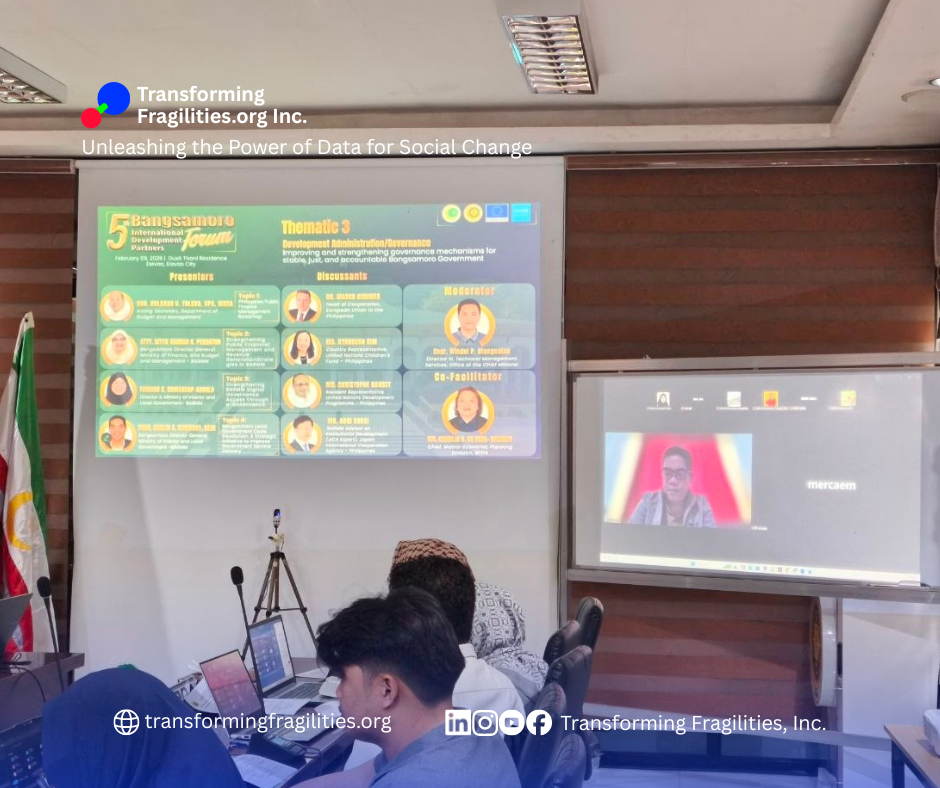
The treasury protocols in place have created a cycle of delayed implementation of regional services due to a lack of funding, because funds that are not spent during one fiscal year must be sent back to the treasury; ministries then must wait for authority to re-secure the funds before they can begin to provide services again. In addition to systemic vulnerabilities, the legacy national accounting systems do not adequately recognize the unique ministry architecture of BARMM, which requires labor-intensive manual workarounds.
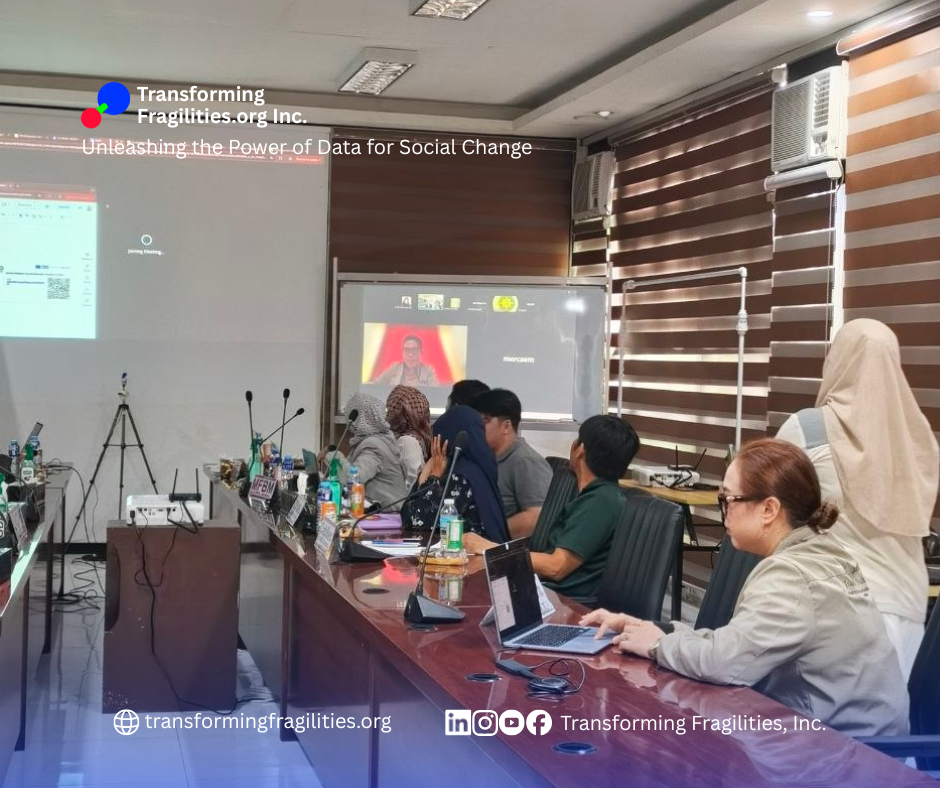
Furthermore, critical institutional data is primarily located in individual personnel rather than institutionalized units, which could result in a significant loss of data during the 2026 transition. TFI recommends immediate codification of a uniform government accounting manual for all ministries, as well as reconciliation of liabilities incurred prior to BARMM’s establishment so that the newly established BARMM can start with a clean audit slate. Additionally, TFI recommends the establishment of secure digital repositories, organized by unit, that are associated with the user’s role in the institution rather than the user’s personal account.