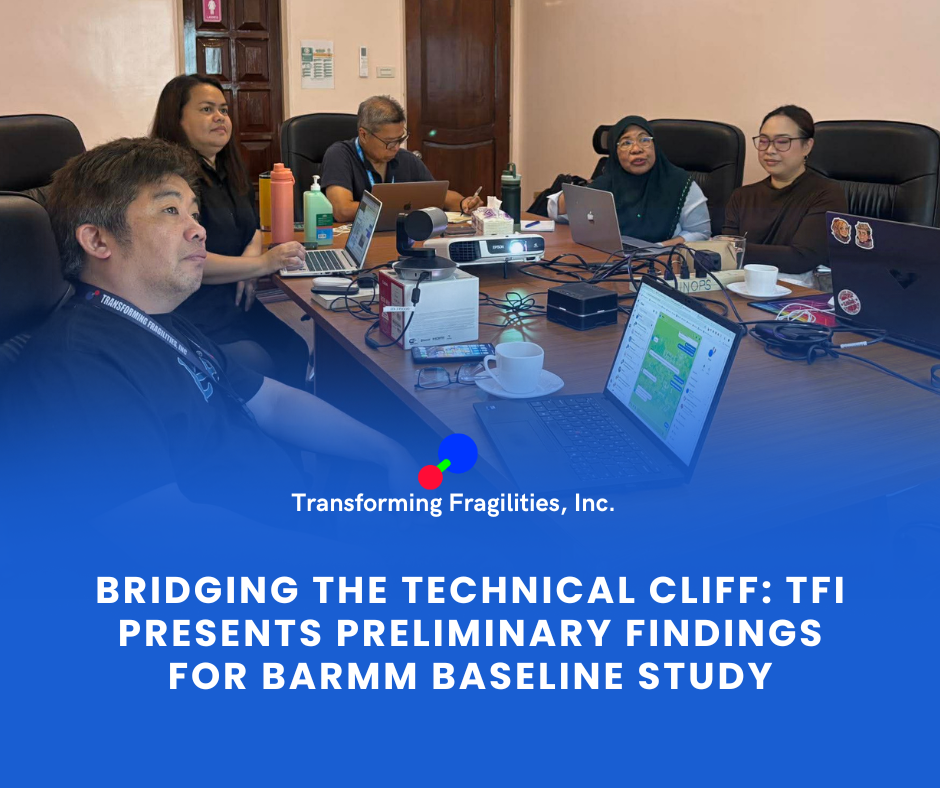
COTABATO CITY — A technical presentation held on April 13, 2026, unveiled initial analytical insights to inform programme design under the Partnership for Peace and Development in Mindanao (PPDM): Good Governance in BARMM. The session focused on the preliminary findings of the scoping and baseline preparatory work for the PPDM Programme. This study supports evidence-based programme development by focusing on two primary thematic pillars: Public Financial Management (PFM) (including data governance dimensions related to financial systems readiness), and the Tri-Justice System, which maps the interface between Shari’ah, traditional, and formal Philippine legal systems.
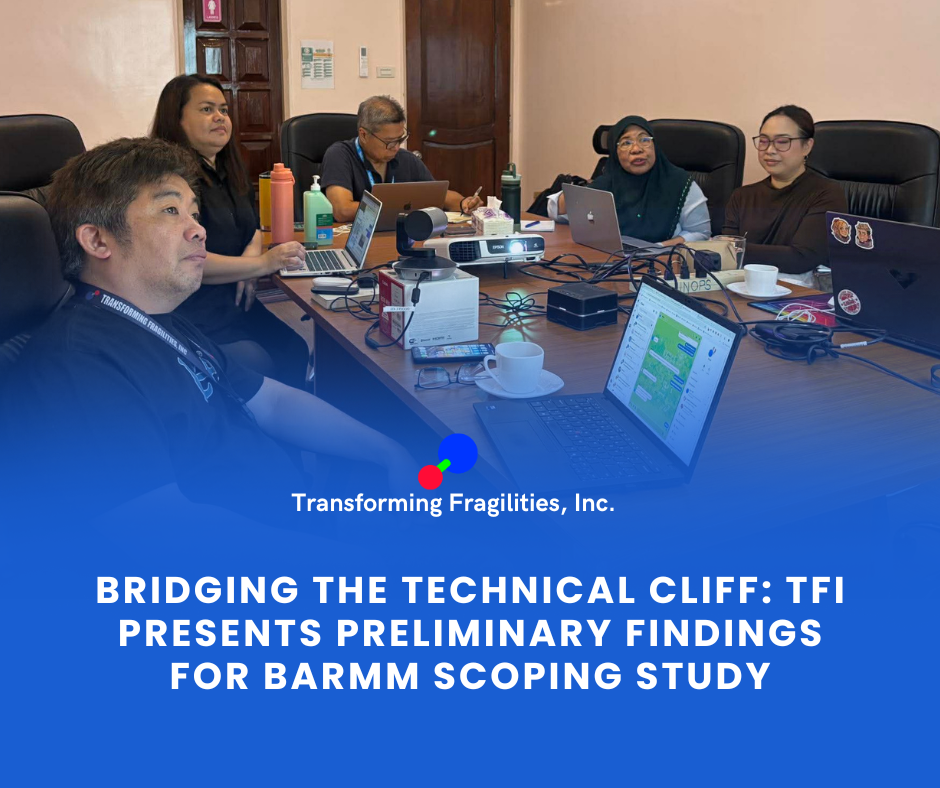
The study aims to map existing development partner initiatives in BARMM’s public financial management and justice sectors to identify synergies, address gaps, and inform more coordinated programme design. Through this mapping, the study highlights areas for alignment across ongoing initiatives while applying a political economy lens to navigate structural risks, and better understand implementation constraints relevant to PFM and justice sector coordination.
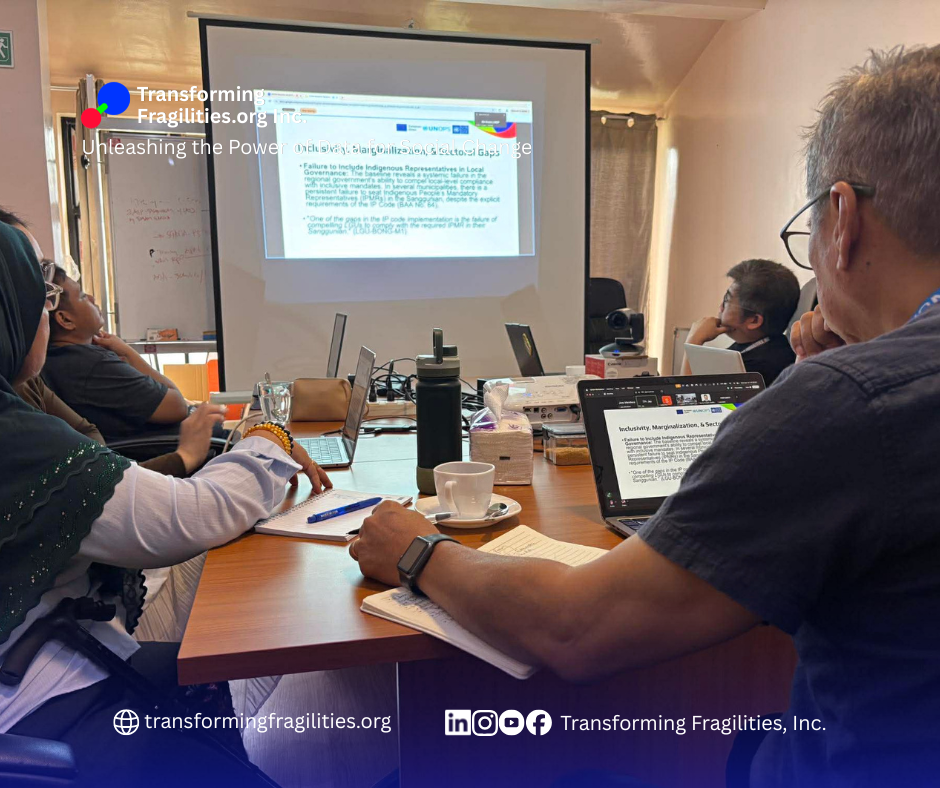
Lead consultant and presenter Prof. Rufa C. Guiam detailed how the project seeks to codify previously undocumented technical knowledge into formal, actionable protocols. Key analytical areas include resolving jurisdictional frictions between regional and national laws, ensuring community-level justice systems are recognized within the formal regional framework, and integrating the roles of female leaders in BARMM governance.
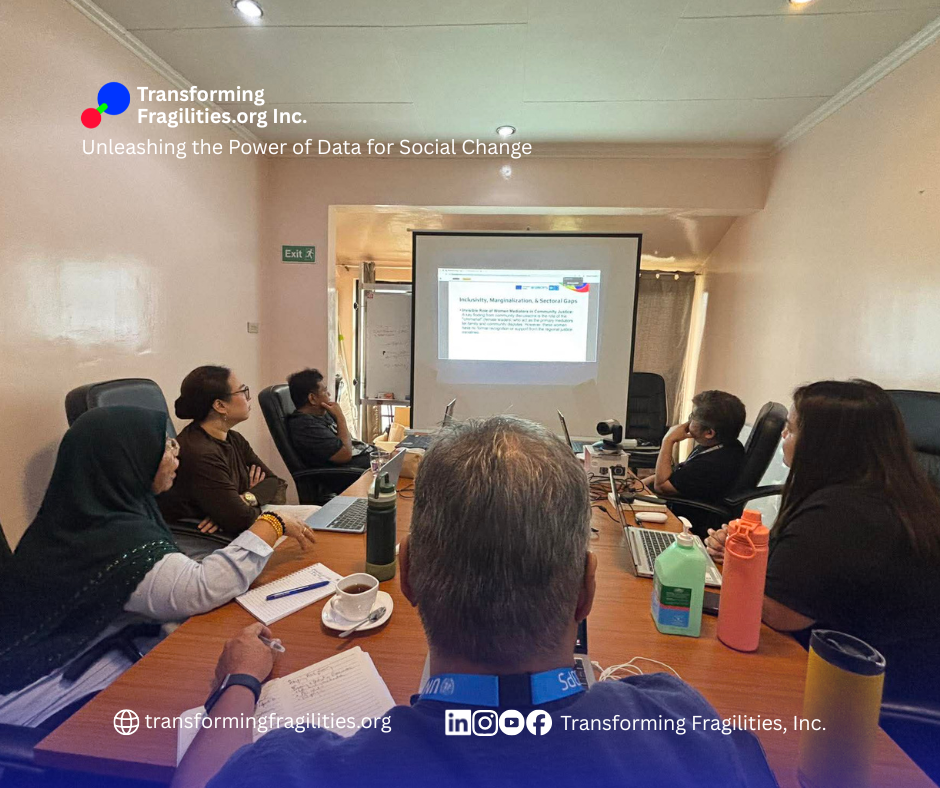
The findings draw on a qualitative-dominant mixed-methods design centered on institutional mapping and political economy analysis (PEA). The research team gathered data through 34 Key Informant Interviews (KIIs) and 7 Focus Group Discussions (FGDs) involving five stakeholder clusters: core BARMM institutions, legislative bodies, national counterparts, development partners, and civil society leaders. The study maintained a broad geographic scope, covering both the mainland and island provinces of the BARMM, as well as national perspectives from Metro Manila.
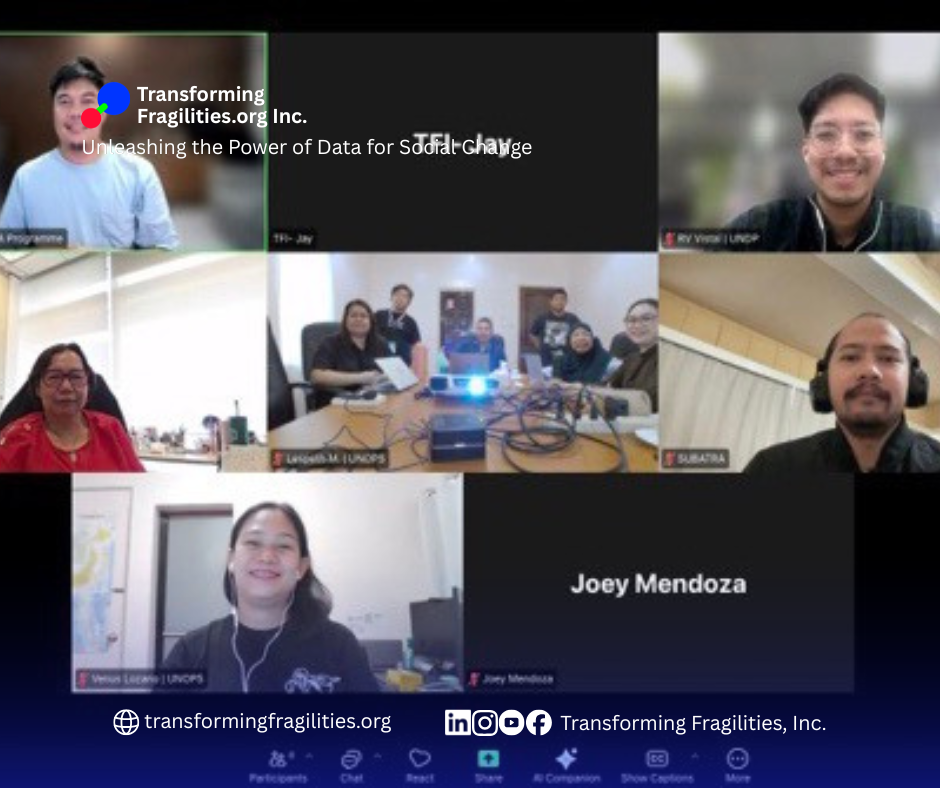
The presentation brought together a diverse group of development actors committed to the region’s success, including personnel from UNOPS, SUBATRA, UNDP, and TFI. The exercise forms part of the broader inception process, providing critical inputs to the development of a results framework, indicator setting, and subsequent programme implementation under PPDM, particularly within the priority areas of PFM and justice sector coordination.