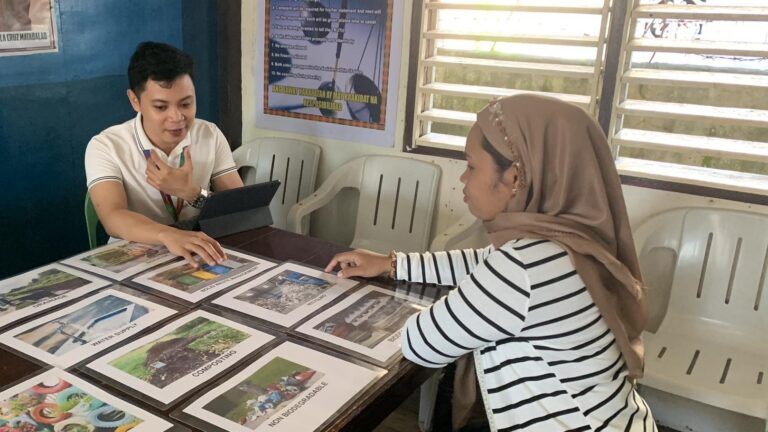
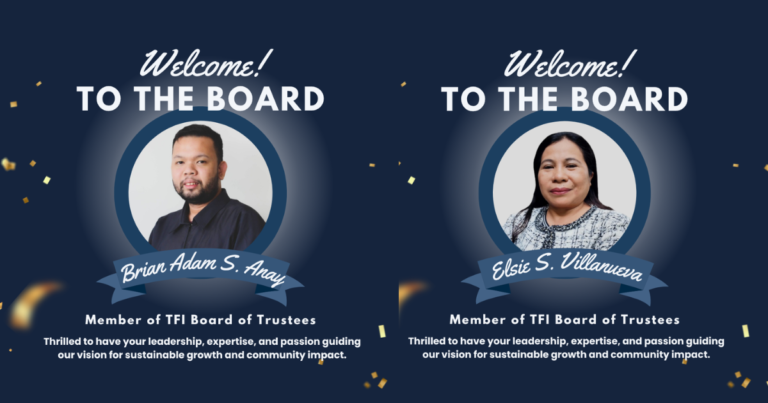
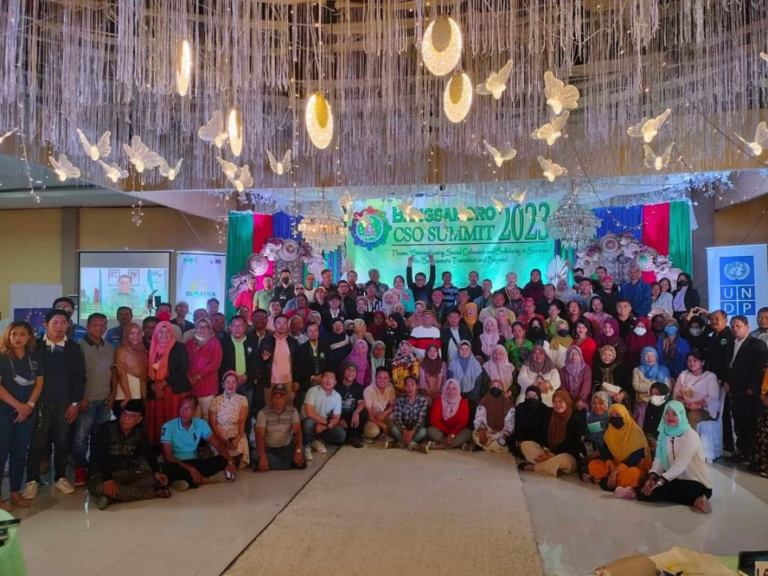
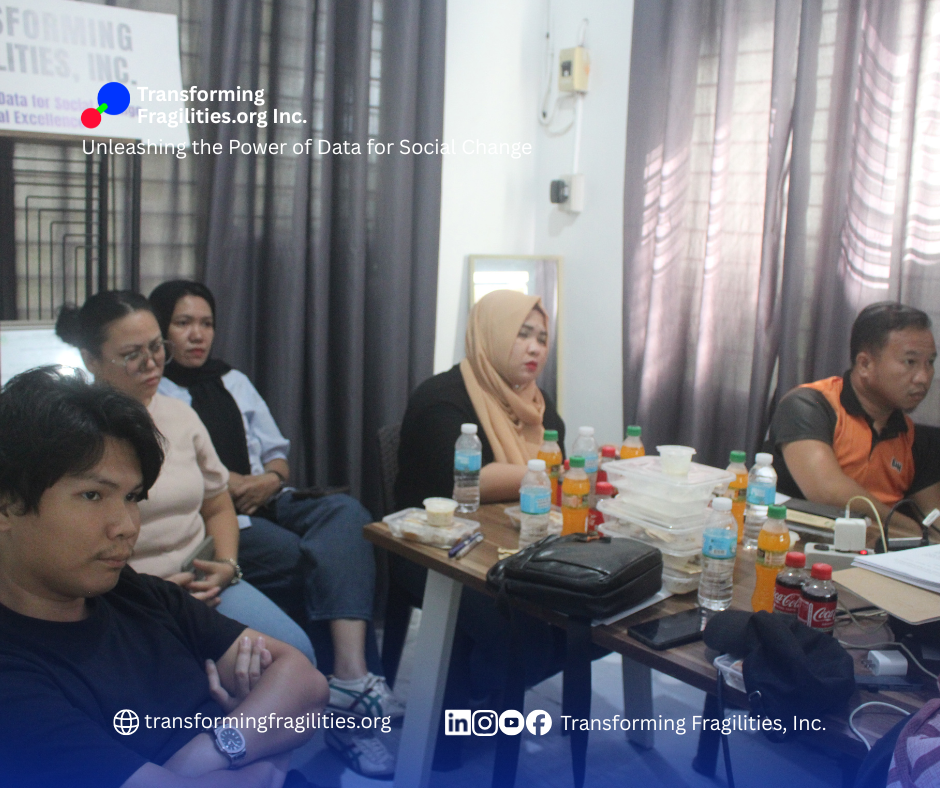
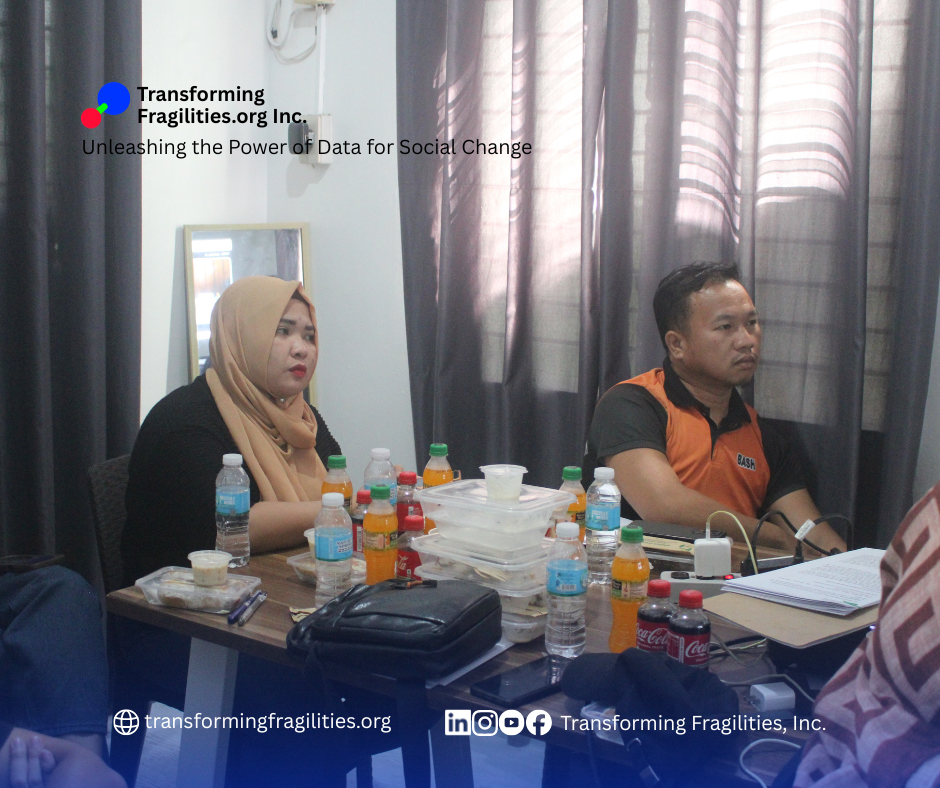
COTABATO CITY — Transforming Fragilities, Inc. (TFI) recently held a Field Teams Orientation to prepare the field teams for field research, with a strong focus on data integrity. The orientation took place at the TFI office and lasted two days. Held on June 9–10, 2026, the two-day workshop was explicitly designed to finalize research mechanics, reinforce data quality, and secure structural alignment ahead of extensive fieldwork across highly vulnerable provincial contexts.
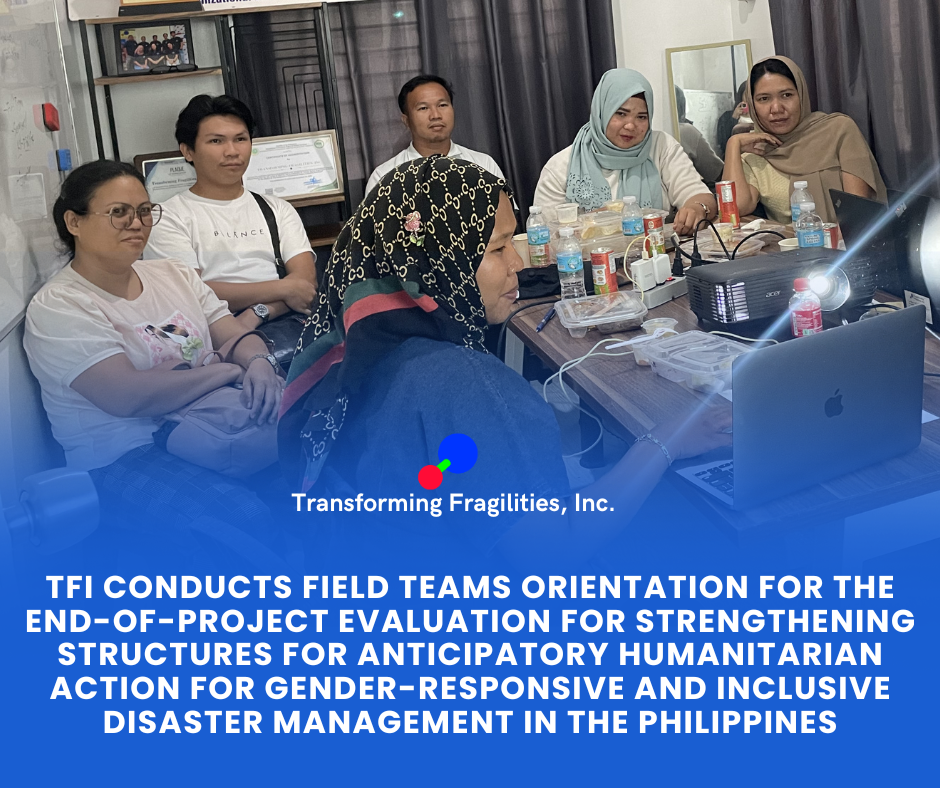
The primary objectives of the orientation workshop were to build data mastery and operational readiness among field personnel. This involved familiarizing the teams with the specialized quantitative and qualitative data collection tools of the End-of-Project Evaluation for the initiative titled “Strengthening Structures for Anticipatory Humanitarian Action for Gender-Responsive and Inclusive Disaster Management in the Philippines.” In addition, the sessions provided an extensive review of data collection ethics and field methods and outlined the granular deployment details and multi-province schedules for the field researchers.
This evaluation mandate is directly grounded in the assessment of a three-year project implemented by Plan International Pilipinas Foundation, Inc., from August 2023 to July 2026. Jointly funded by the German Federal Foreign Office and Plan International Deutschland e.V., the intervention operates across four distinct hazard-prone municipalities: Salcedo and Llorente in Eastern Samar, alongside Upi and Datu Blah Sinsuat in Maguindanao, Bangsamoro Autonomous Region in Muslim Mindanao.
The underlying project aims to transition traditional disaster risk governance from reactive models to predictive, forecast-based anticipatory action. By targeting 7,439 highly vulnerable direct participants—specifically children, youth, women, and persons with disabilities—the program has spent three years enhancing community early warning systems, setting local early action protocols, establishing localized flexible financing, and integrating preemptive protection frameworks, including sexual and reproductive health and rights and gender-based violence (GBV) prevention.
During the orientation, facilitators grounded the field teams in a robust, mixed-methods analytical framework designed to collect empirically disaggregated data by sex, age, and disability (SAD). To maintain structural validity, the data collection design features a meticulous tri-layered approach starting with endline household surveys deployed via mobile data collection software.
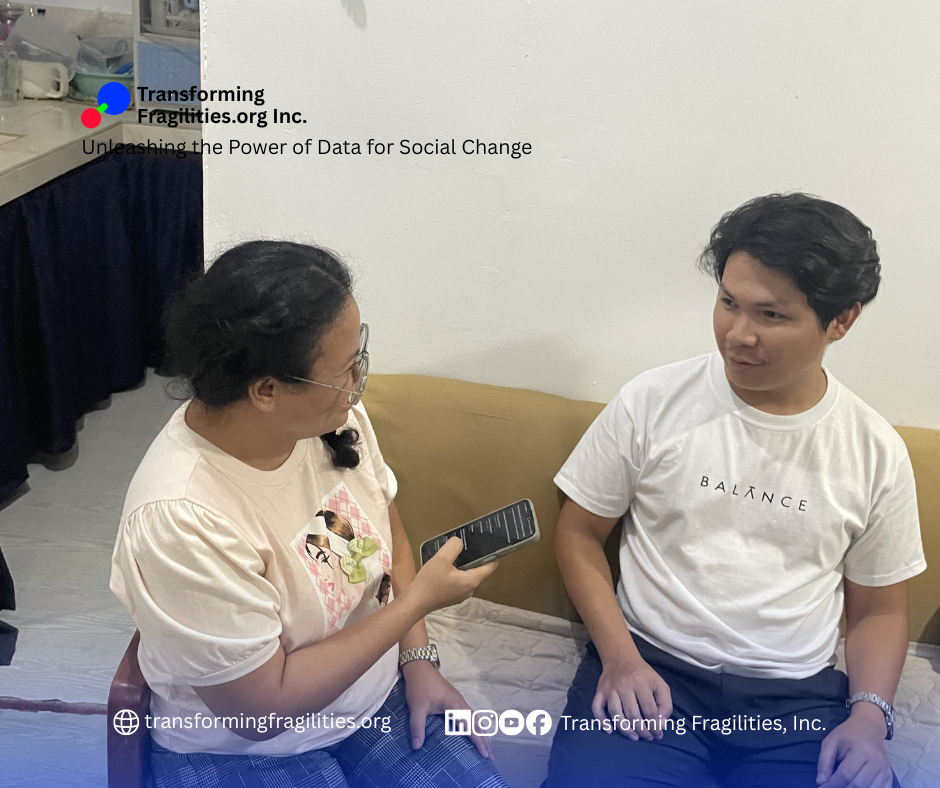
Following the technical walkthrough, field teams participated in a live simulation exercise. Enumerators paired up to role-play realistic field scenarios, alternating between interviewer and local respondent roles. This hands-on drill tested their ability to navigate the digital interface fluidly while maintaining natural conversational rapport. Crucially, the simulation included a “stress-test” of KoboToolbox’s offline data-saving capabilities, replicating the remote, low-connectivity terrains of Eastern Samar and Maguindanao. Field teams practiced caching completed forms locally on their devices, managing encrypted queues, and executing bulk data synchronization to TFI’s central cloud server once a secure network connection was established. The session concluded with a troubleshooting review, empowering enumerators to independently resolve common device compatibility and geolocation-tracking glitches.
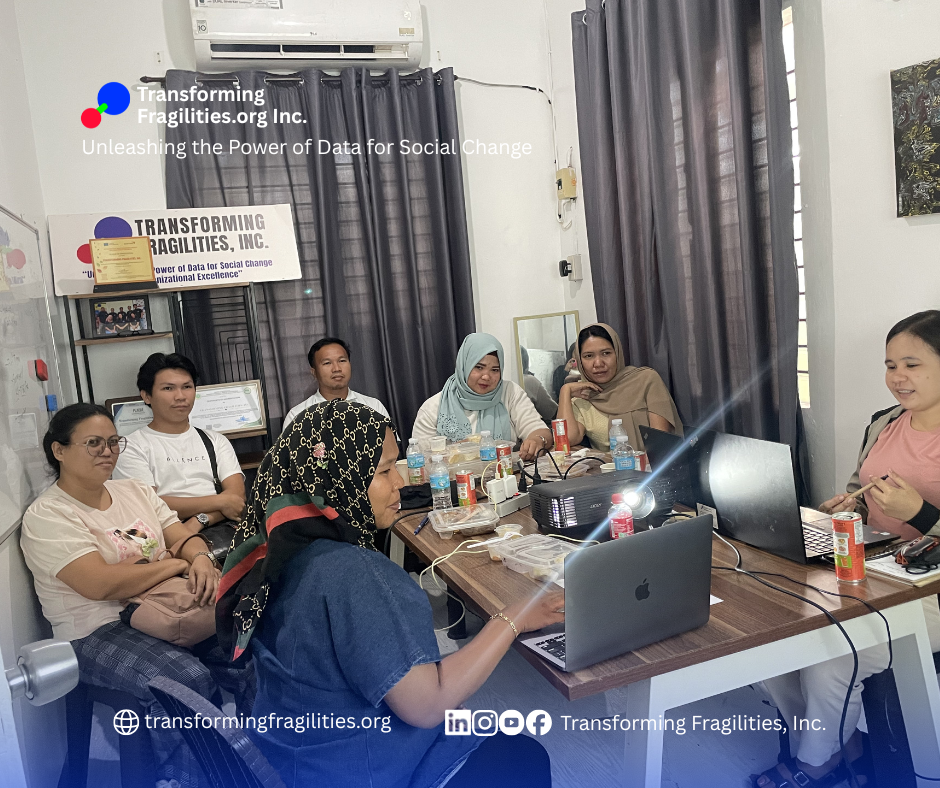
Reflecting TFI’s core institutional values, a massive section of the orientation was dedicated to strict field ethics and safety protocols. Enumerators were thoroughly briefed on the Data Privacy Act of 2012, highlighting that voluntary, explicit informed consent must be verified prior to every interview, survey, photo, or audio recording. TFI instituted unique protection rules for risk communication, directing field staff to only take active photos rather than staged publicity framing. An absolute rule mandates that if photographing minor children, victims of violence, or vulnerable sectors, images must strictly show back-to-camera perspectives to safeguard individual privacy.
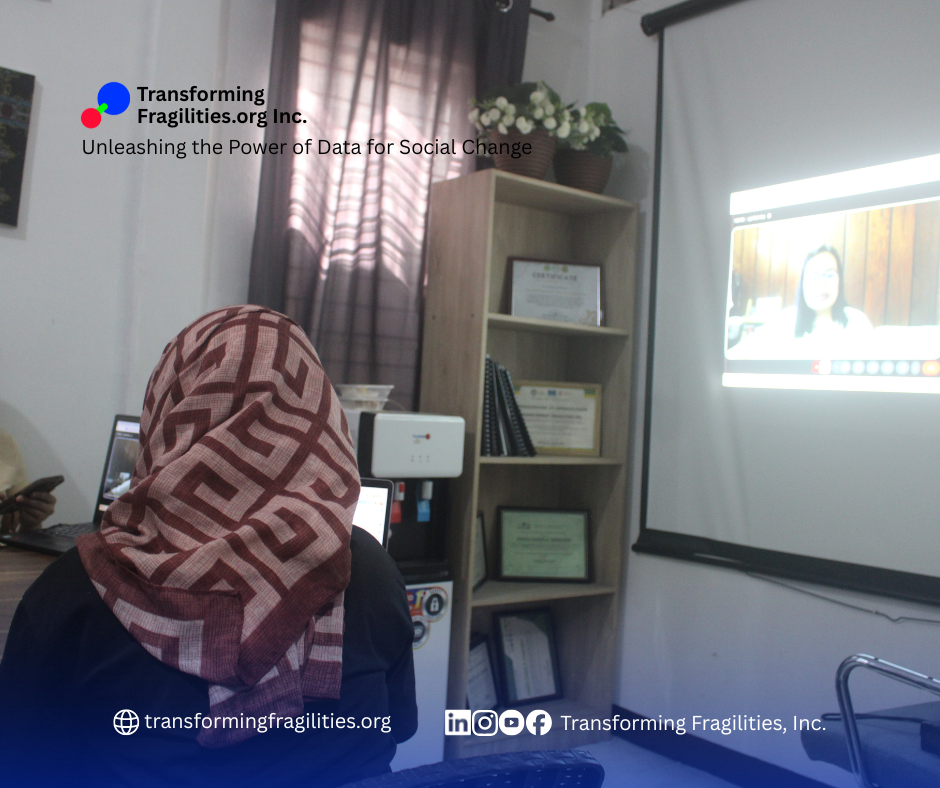
Plan International staff co-facilitated the training orientation, lending their expertise to provide key context on the project background of the “Strengthening Structures for Anticipatory Humanitarian Action for Gender-Responsive and Inclusive Disaster Management in the Philippines” initiative. Additionally, Plan staff led the critical sessions on safety protocols, ensuring field teams are fully equipped to navigate safety challenges both in the field and among the staff during deployment.