COTABATO CITY — In the rapidly changing and pluralistic setting of the Bangsamoro Autonomous Region in Muslim Mindanao (BARMM) and its surrounding areas, lasting peace and resilience are not accidental — they are built from the ground up, with local women at the heart of that process.
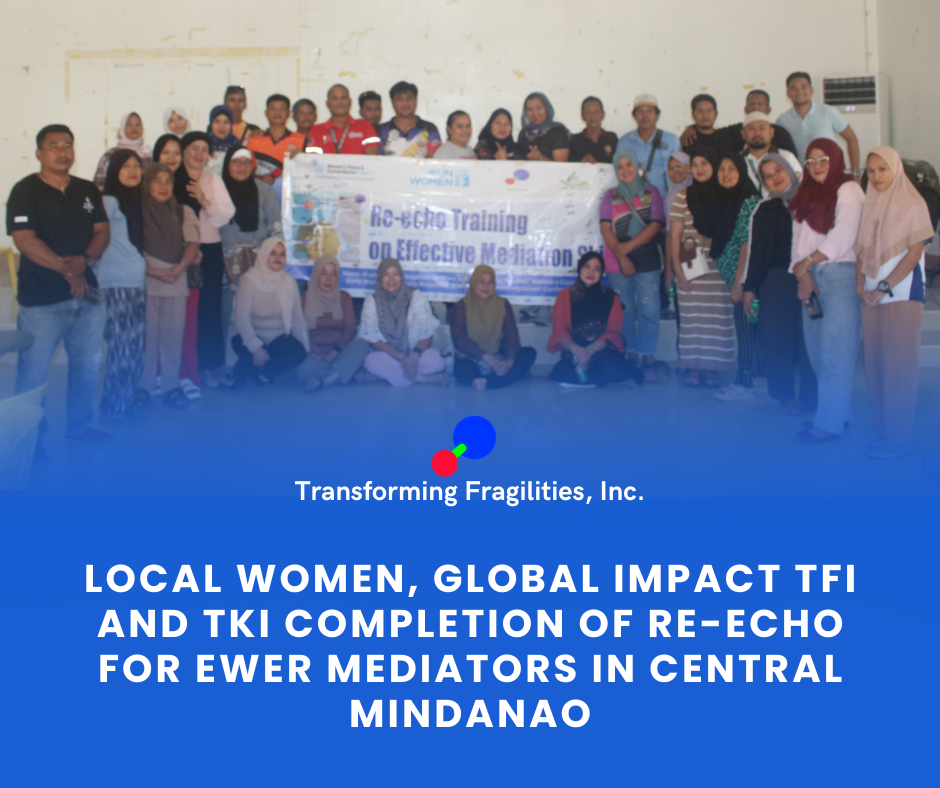
Transforming Fragilities, Inc. (TFI) and its co-implementing partner, Tiyakap Kalilintad, Inc. (TKI), have completed the Re-echo Training for the ten (10) women-led Early Warning and Early Response (EWER) mediator groups that were previously established across Central Mindanao. The training was carried out with support from the Women’s Peace and Humanitarian Fund (WPHF) through UN Women, marking a major milestone for community-based peace and security in the region.
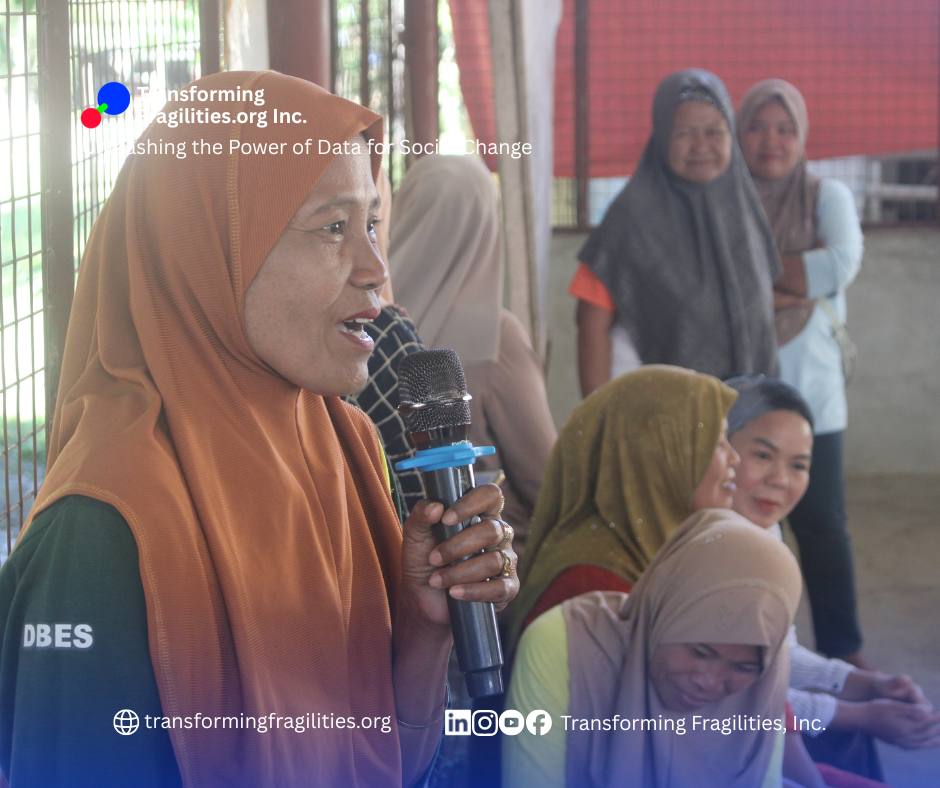
The Re-echo Training reinforced the capacities of EWER mediators across ten key areas:
1. Bagumbayan (Sultan Kudarat)
2. Datu Paglas (Maguindanao del Sur)
3. Kapalawan (BARMM Special Geographic Area)
4. Lambayong (Sultan Kudarat)
5. Ligawasan (BARMM Special Geographic Area)
6. Paglat (Maguindanao del Sur)
7. Pahamuddin (BARMM Special Geographic Area)
8. Rajah Buayan (Maguindanao del Sur)
9. Sultan sa Barongis (Maguindanao del Sur)
10. Tulunan (North Cotabato)
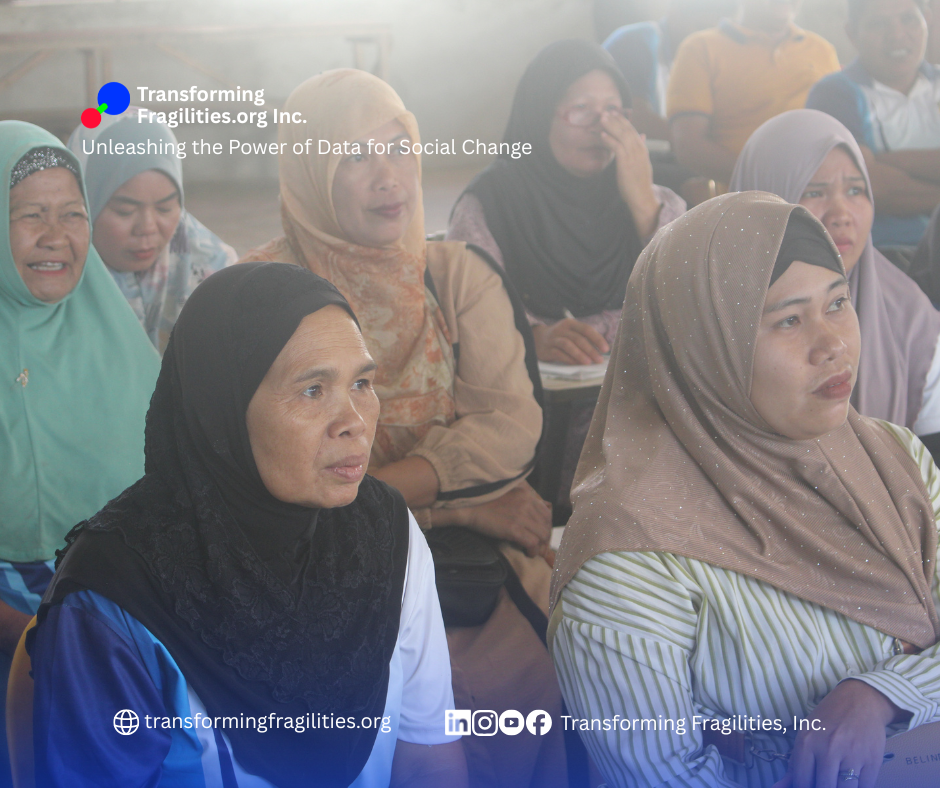
The final leg of the Re-echo Training was held on July 23, 2026, in Sultan sa Barongis, Maguindanao del Sur, capping off a series that reached all ten communities. Leading the sessions were TKI’s Abdulnasser B. Binasing (Executive Director), Abdel-Ressan P. Esmael (Project Officer), Teng G. Latip (Community Organizer), and Muslima Gandawali, together with TFI’s Ejay Luntuan (Field Assistant).
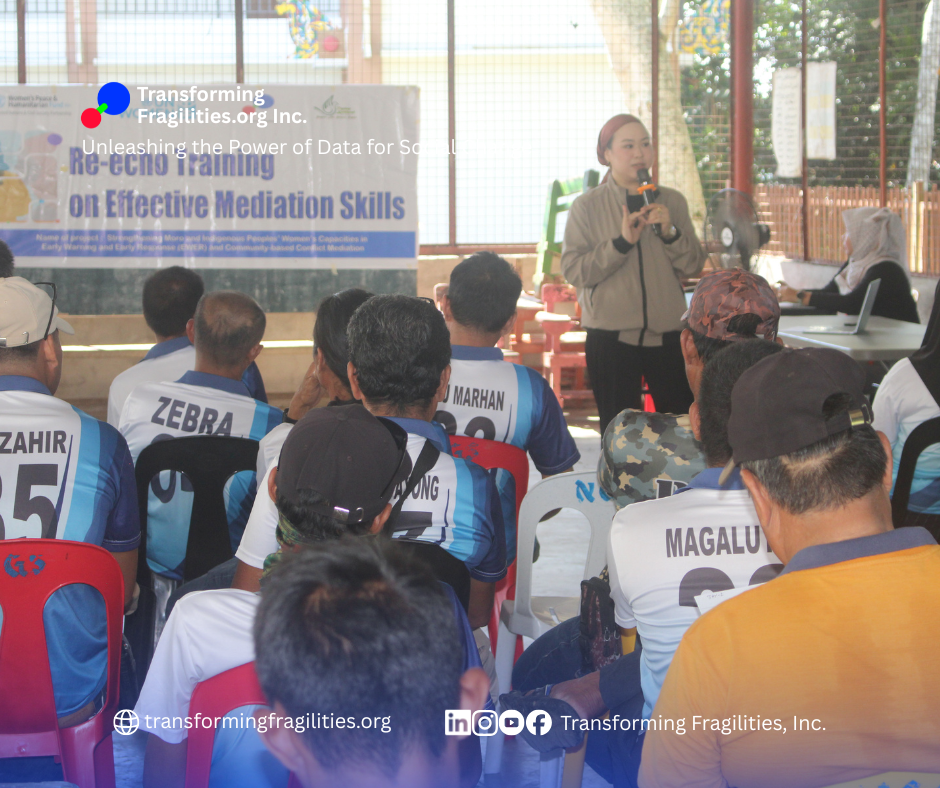
The re-echo sessions included training participants on the key components of community-based peace monitoring and mediation, which include being a human radar for the community as a “peaceweaver;” early warning signs through issue and peace mapping, rumor verification through the rule of three sources, de-escalation and safe exit measures, and the golden 48 (hours) as the key period for a reaction to an early warning sign. All these components are combined in a framework of the principles of hybrid local mediation that incorporate the traditional mediation by elders and the state’s Kararungang Pambarangay’s alternative dispute resolution system, the key skills of mediation, which include active listening, reframing, and position-interest-needs separation, and process flow and safeguards such as women’s role in holding a peace settlement through “the kitchen caucus.”
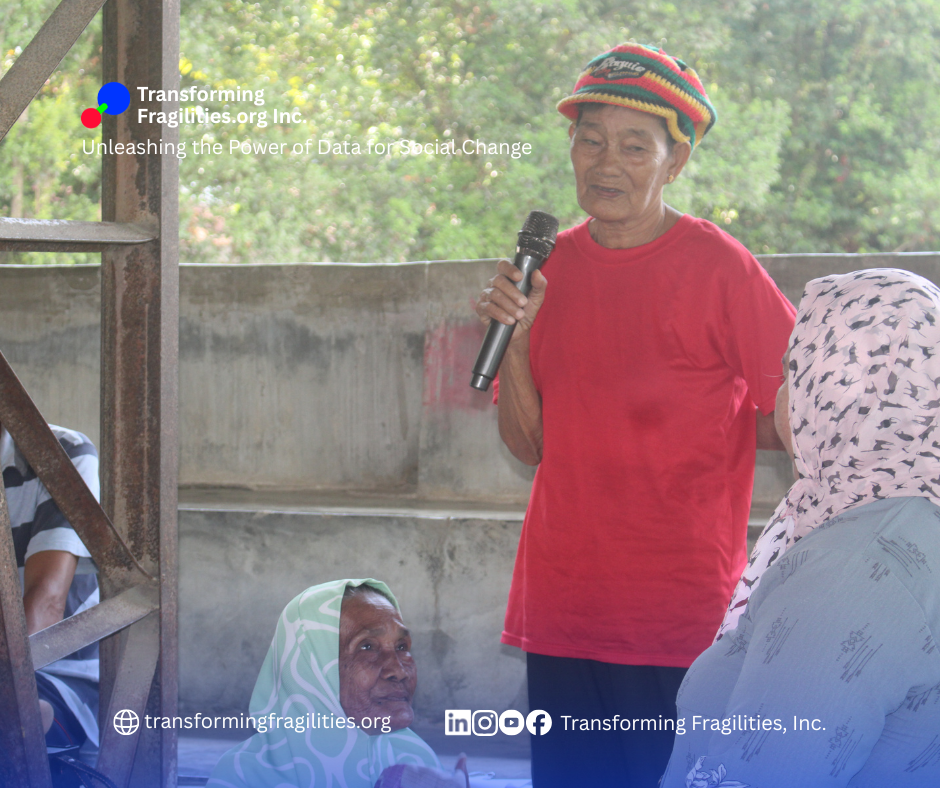
The workshop activities were conducted through engaging role-play, discussions, sharing, and workshops, giving participants hands-on practice from rumor-verification simulations and rhythm-shift mapping exercises to mediation role-plays and safe-exit drills rather than a purely lecture-based format.
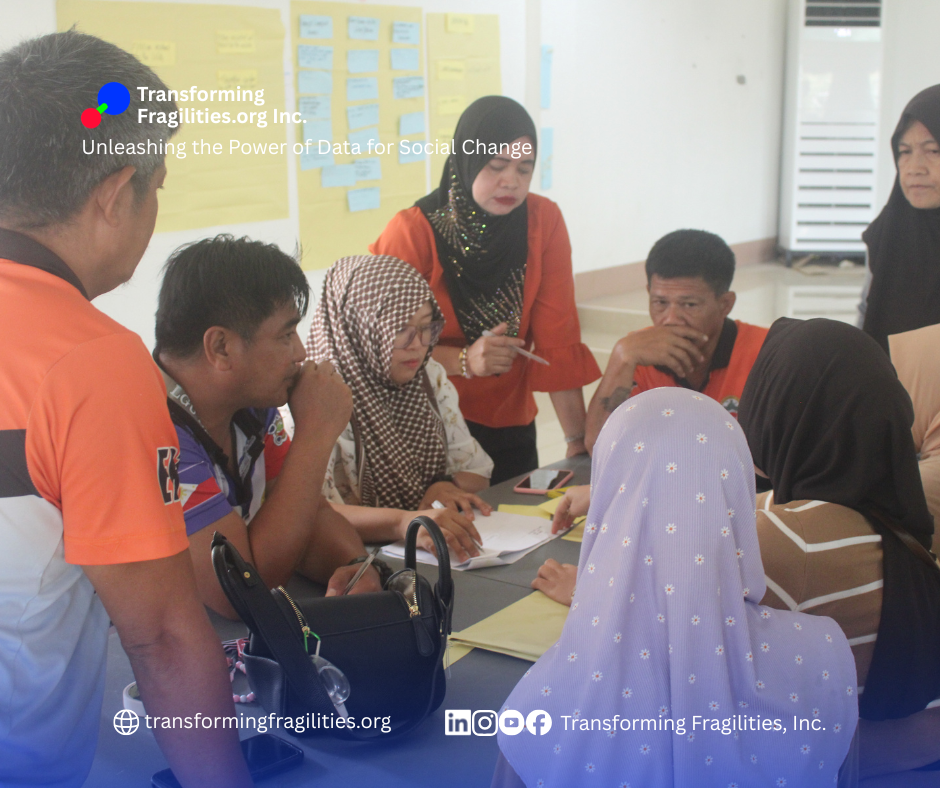
The training also covered hybrid mediation, a way of settling disputes such as land conflicts or long-running clan feuds (rido) that combines traditional customs with the country’s formal justice system. Mediators practiced listening closely enough to tell the difference between what a person angrily demands and what they truly need underneath it. They also learned about “kitchen caucus” conversations, a quiet, informal way of consulting women elders so that their concerns shape the final settlement, even in discussions that are usually led by men. Participants then practiced sealing an agreement so it lasts: putting it in writing and recognizing it by the barangay justice system, and also sealing it the traditional way through a shared oath or a community feast that tells everyone the conflict is truly over.
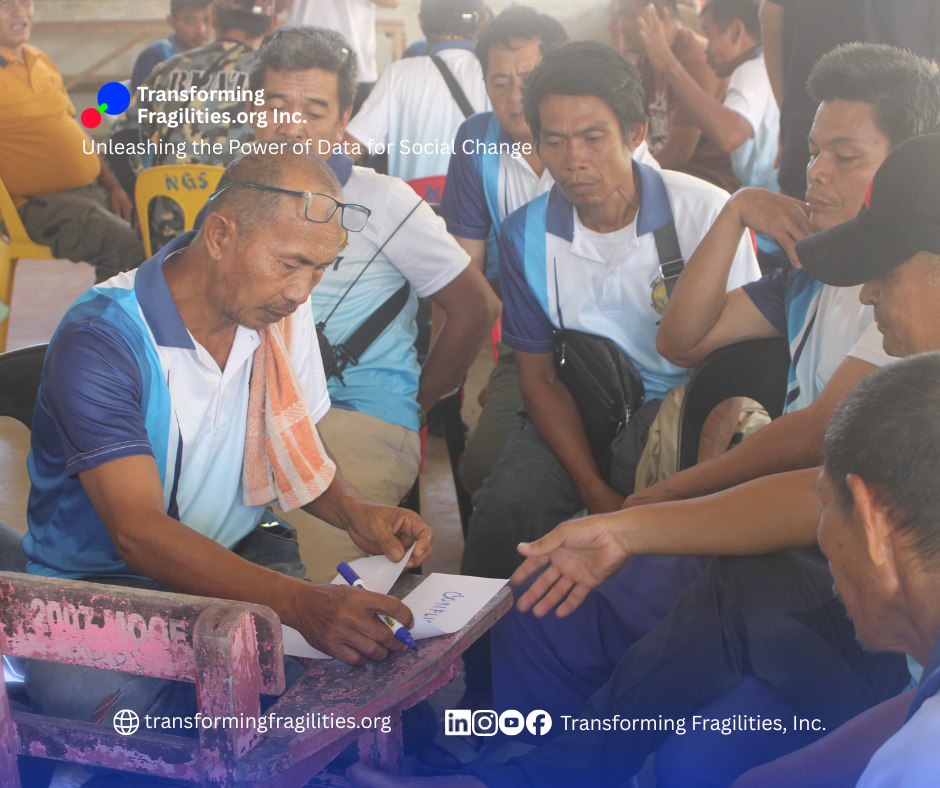
Rather than sit through lectures, participants learned mostly by doing. The sessions were built around role-plays and mock mediation cases, community mapping exercises, rumor-verification drills, and safe-exit practice, all grounded in real situations mediators have faced in their own barangays.
https://drive.google.com/drive/folders/1P0yG4SdSzbiFgru0a7stxCxtP47HlScP
With the conclusion of this training series across all ten target sites, these women-led EWER networks stand equipped not just with theoretical knowledge but with practical, field-tested skills. Transforming Fragilities, Inc. (TFI) is facilitating the processing of these groups’ Security and Exchange Commission (SEC) registration, and as the ten groups advance toward this formal recognition, they are evolving into legally recognized, sustainable community institutions. Bridging traditional wisdom with formal processes, these peaceweavers are actively safeguarding their neighborhoods and building a lasting, locally owned peace across Central Mindanao.