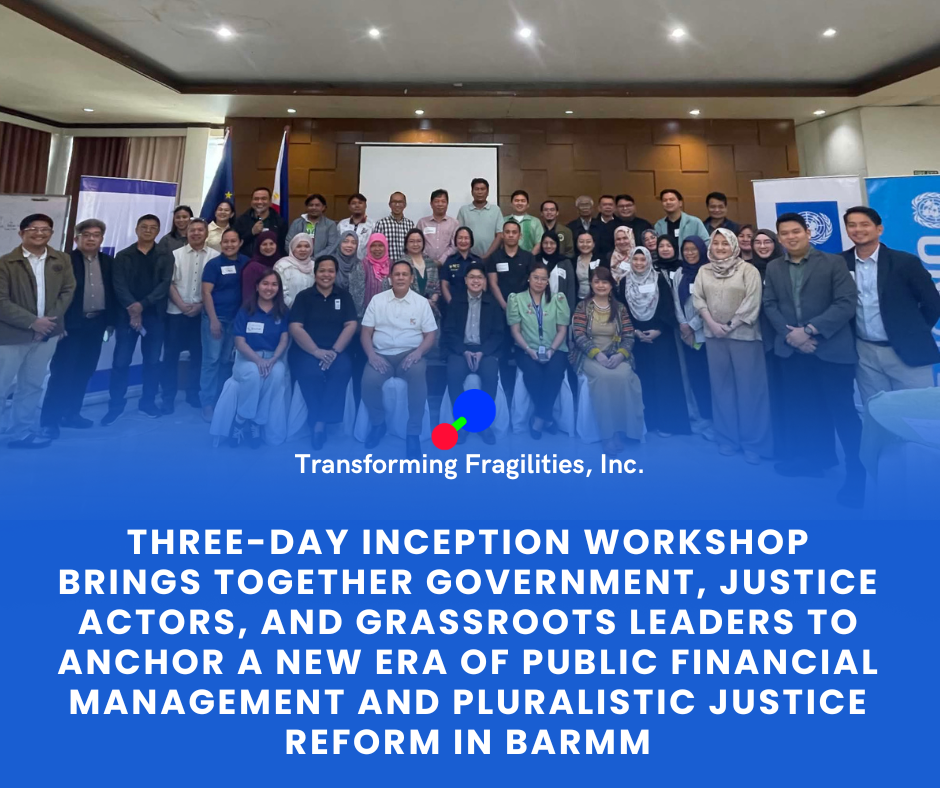
COTABATO CITY, Philippines — Key leaders and development partners across the Bangsamoro Autonomous Region in Muslim Mindanao (BARMM) gathered for a three-day Inception Workshop from July 7 to 9, 2026, marking the official launch of the inception phase for the EU4BARMM Partnership for Peace and Development in Mindanao (PPDM) programme. The event established a shared operational framework to strengthen public financial management and advance a functional, inclusive, pluralistic justice system across the region.
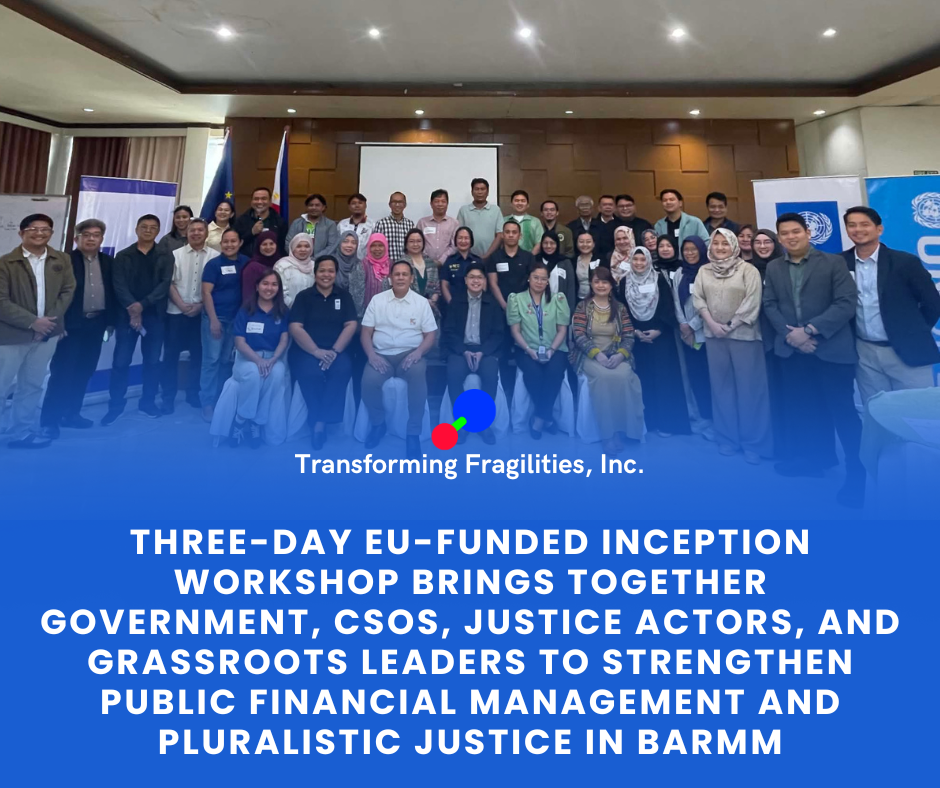
Co-owned by the Bangsamoro Government and the European Union (EU), with the United Nations Development Programme (UNDP) and the United Nations Office for Project Services (UNOPS) serving as facilitating partners, this initiative is designed to support the region’s democratic transition. Operating under the framework of BARMM’s vision of “Moral Governance” and the Bangsamoro Development Plan, the programme addresses structural governance and legal bottlenecks to bolster public service delivery and secure rights for all residents.
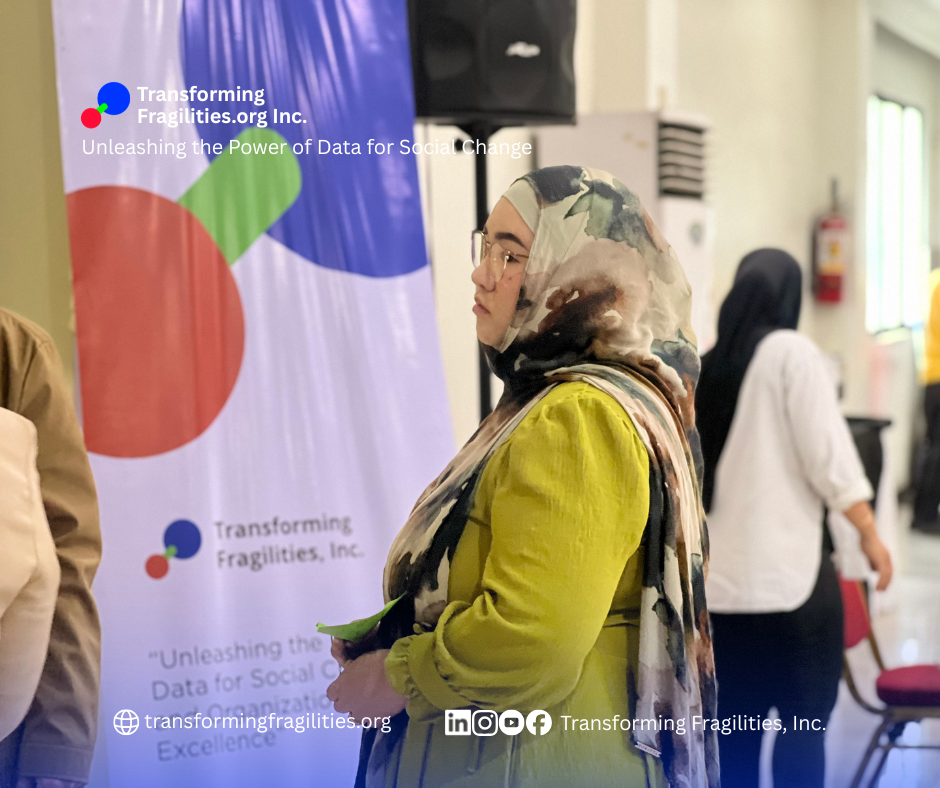
The workshop convened a broad coalition of duty bearers and civil society actors essential to long-term stability in the region.
Delegates included officials from BARMM Ministries, Offices, and Agencies (MOAs) including the Office of the Assistant Senior Minister (OASM), Bangsamoro Women Commission (BWC), Bangsamoro Development Agency (BDA), Bangsamoro Human Rights Commission (BHRC), Bangsamoro Planning and Development Authority (BPDA), Bangsamoro Attorney General’s Office (BAGO), Ministry of Environment, Natural Resources and Energy (MENRE), Ministry of Indigenous Peoples’ Affairs (MIPA), Ministry of Public Order and Safety (MPOS), Ministry of Social Services and Development, and Bangsamoro Transition Authority (BTA), alongside key national bodies such as the Shari’a Circuit Courts and Shari’a District Court / Regional Trial Court, as well as national partners like the Office of the Presidential Adviser on Peace, Reconciliation and Unity (OPAPRU), Philippine National Police (PNP), and Mindanao State University – Tawi-Tawi (MSU-TCTO).
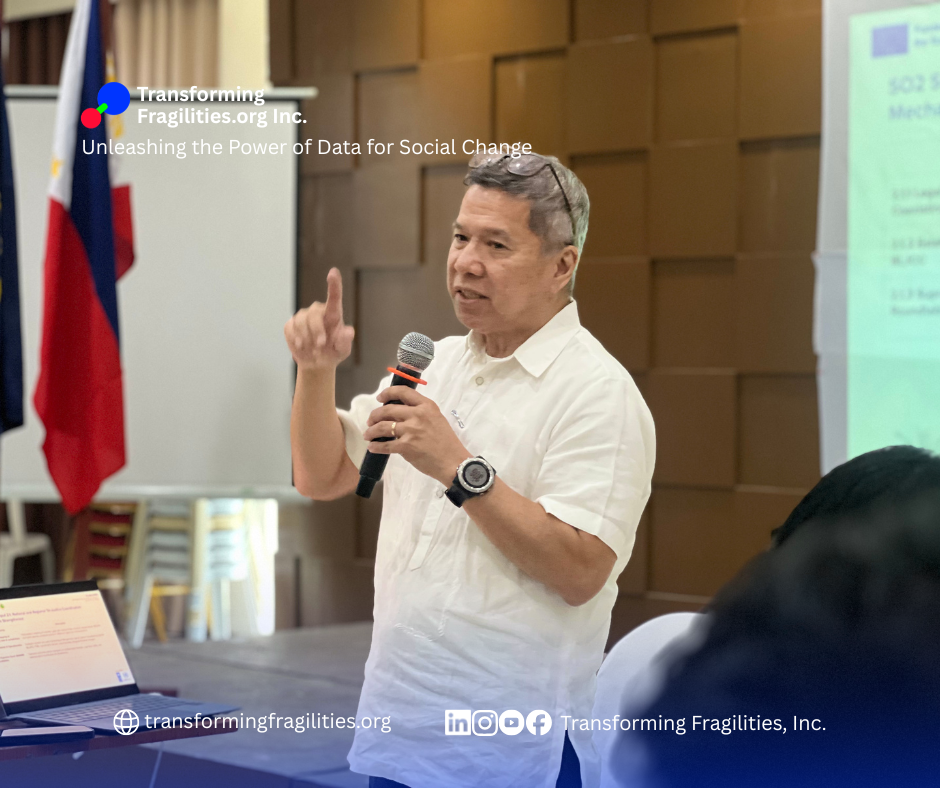
Local government units (LGUs) such as LGU Upi, Provincial Government of Maguindanao del Sur, and South Upi, and civil society organizations (CSOs) including the Consortium of Bangsamoro Civil Society, Inc. (CBCS) and MOSEP Inc. actively participated alongside sectoral leaders representing women, Indigenous Peoples (IP/NMIP), and traditional community authorities (such as IP Youth Representatives, Limbubungan, and Teduray Justice Movement / TFI). International partners UNDP and UNOPS were also key facilitators.
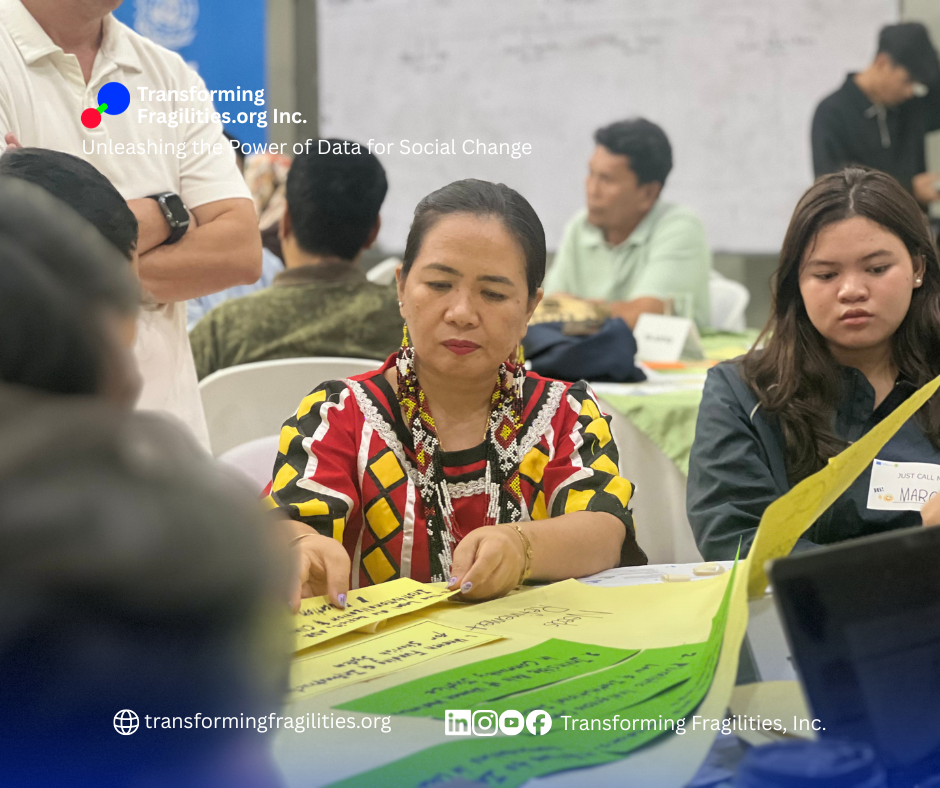
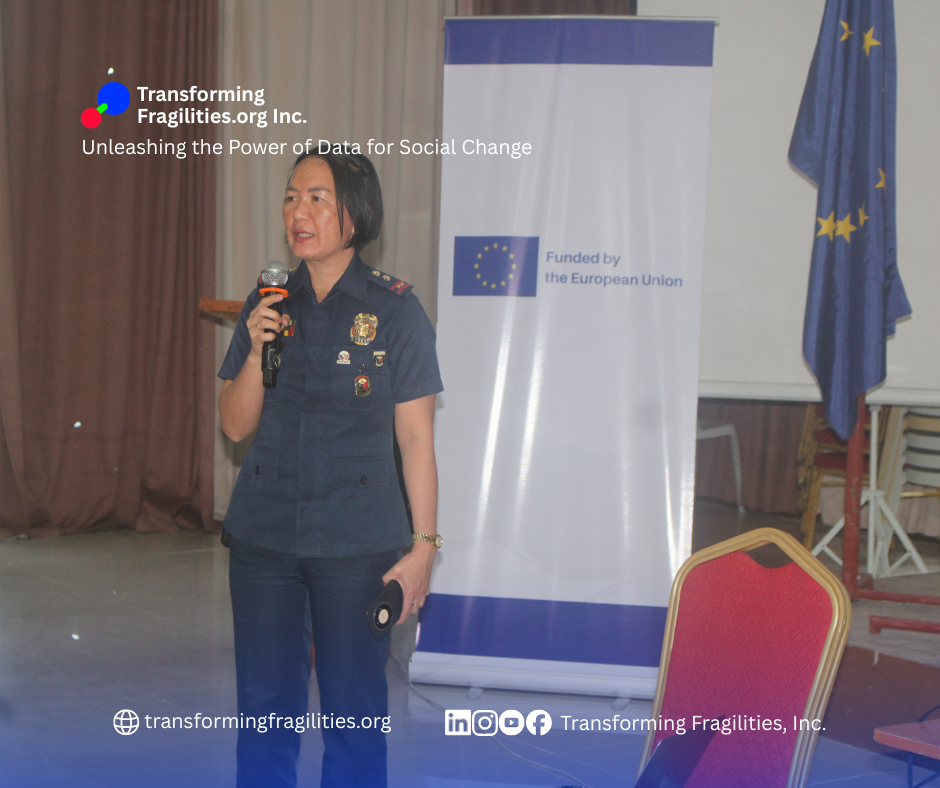
To ensure that intervention design reflects ground-level realities, the workshop relied on findings from a scoping study conducted by Transforming Fragilities, Inc. (TFI). The analytical assessment outlined operational challenges across both primary focus areas. On public financial management, discussions addressed delayed budget execution, procurement backlogs, audit compliance challenges, and the need for digital system integration across regional agencies. Regarding the pluralistic justice systems, findings emphasized jurisdictional ambiguities, legal assistance gaps, fragmented victim referral pathways, and the formal recognition needed for community-based mediators and indigenous elders.
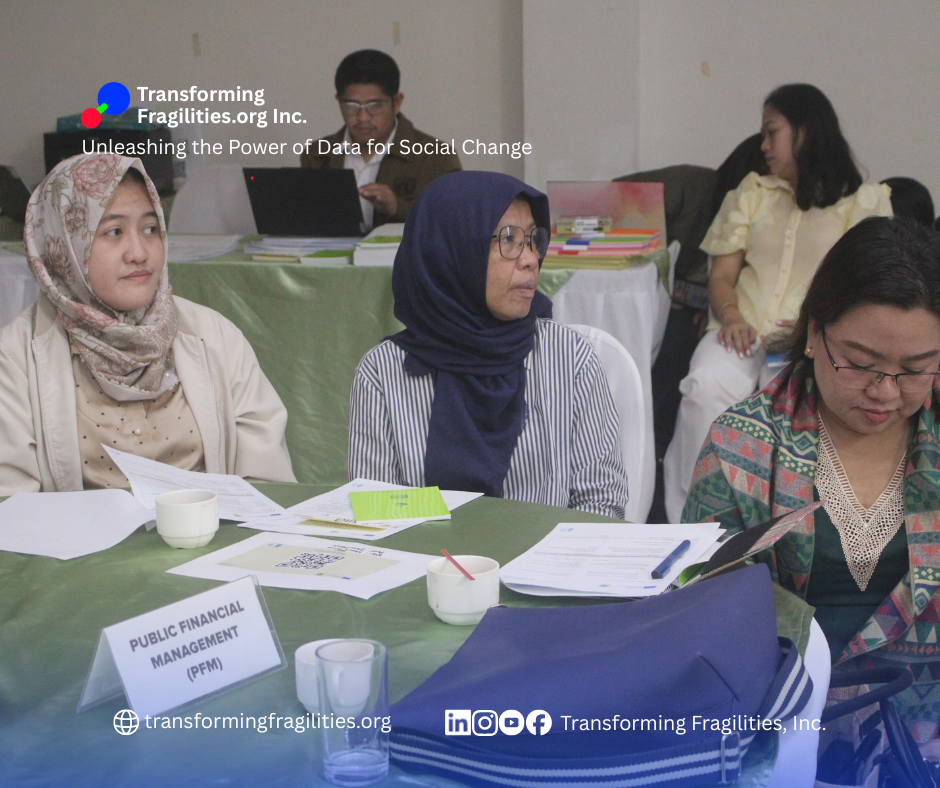
Throughout thematic breakout sessions, participants utilized Theory of Change exercises and RACI mapping (Responsible, Accountable, Consulted, Informed) to refine programme outputs and build multi-year implementation timelines.
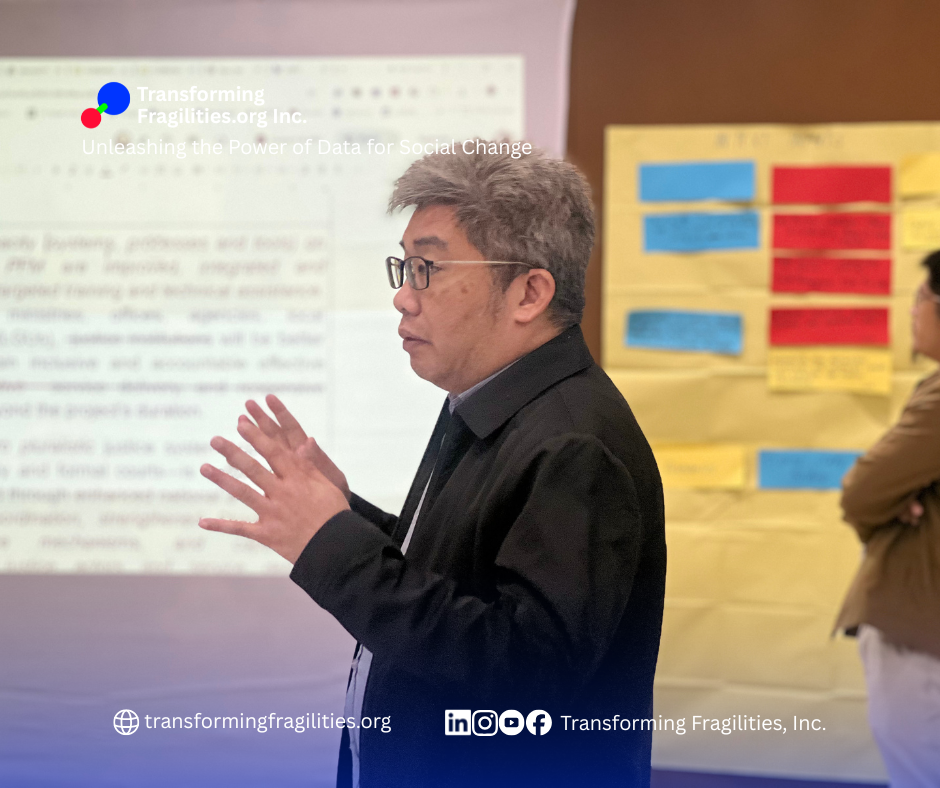
Under Strategic Objective 1, focused on Public Financial Management and facilitated in coordination with UNDP, validated priorities included aligning regional budgeting and expenditure tracking, conducting diagnostic assessments of existing administrative digital platforms, and establishing integrated data-sharing portals. Technical assistance will also support macroeconomic forecasting and the implementation of the Bangsamoro Revenue Code, alongside public engagement tools such as localized citizen budget guides to improve civic monitoring.
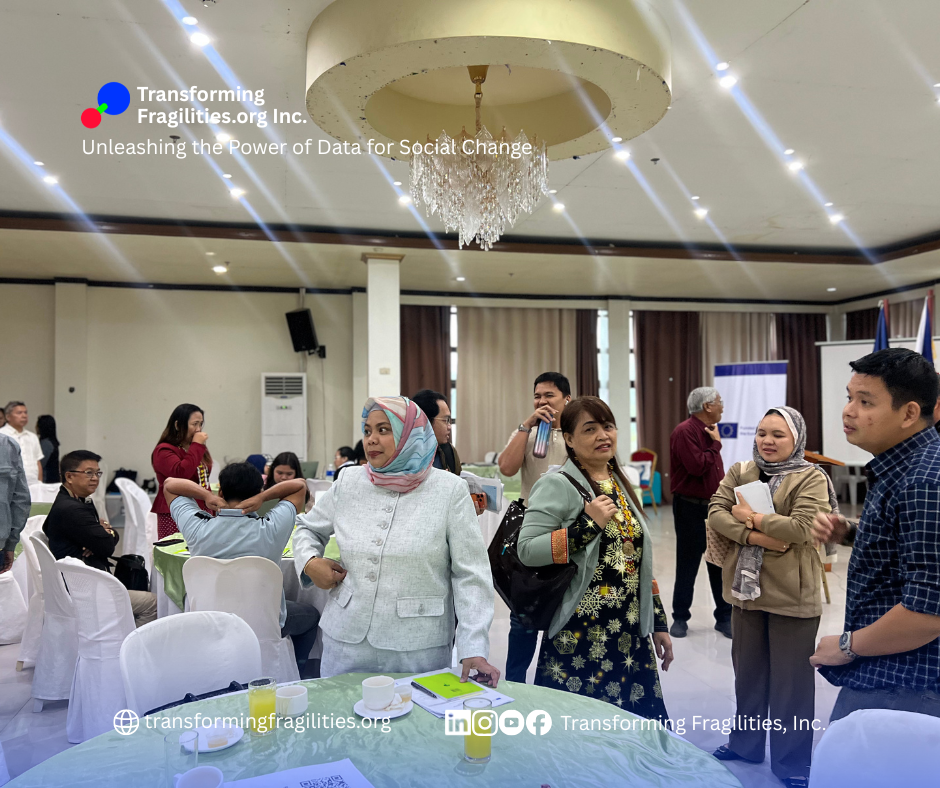
Under Strategic Objective 2, focused on the Tri-Justice System and facilitated alongside UNOPS, priorities centered on coordinating formal courts, Shari’ah justice, and traditional dispute resolution mechanisms. Agreed activities include operationalizing the Bangsamoro Legal and Judicial Coordinating Council Secretariat, supporting specialized modules for the future Shari’ah Academy, expanding clinical legal education programs across regional law schools, and institutionalizing support mechanisms for gender-based violence survivors. Delegates agreed on a gradual approach to customary law documentation to protect local heritage without creating rigid bureaucratic burdens.
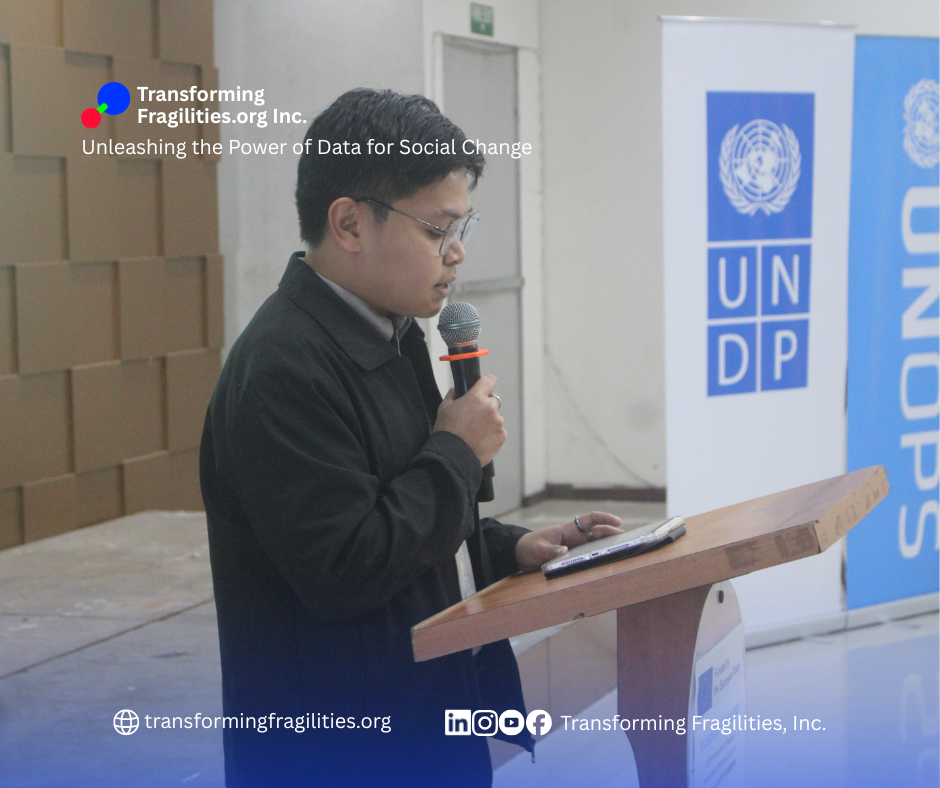
A joint plenary on risk management analyzed political, operational, and technical risk factors. Attendees emphasized the necessity of codifying policy measures to safeguard institutional momentum against future leadership transitions and regional election cycles.
The workshop resulted in validated work packages, aligned indicators, structured risk registries, and defined multi-agency implementation schedules. These concrete outputs establish the operational framework necessary to manage institutional capacity, maintain technical alignment, and ensure that programme resources translate into tangible benefits for Bangsamoro communities.
With the inception workshop concluded, the EU4BARMM programme will finalize its results framework and conduct a comprehensive quantitative baseline study through July and August 2026. An official public programme launch is planned for September 2026, setting the foundation for full-scale field implementation starting in early 2027. Through sustained collaboration among regional ministries, national government agencies, international partners, and civil society, the initiative reinforces a unified pathway toward institutional resilience and lasting peace across Mindanao.