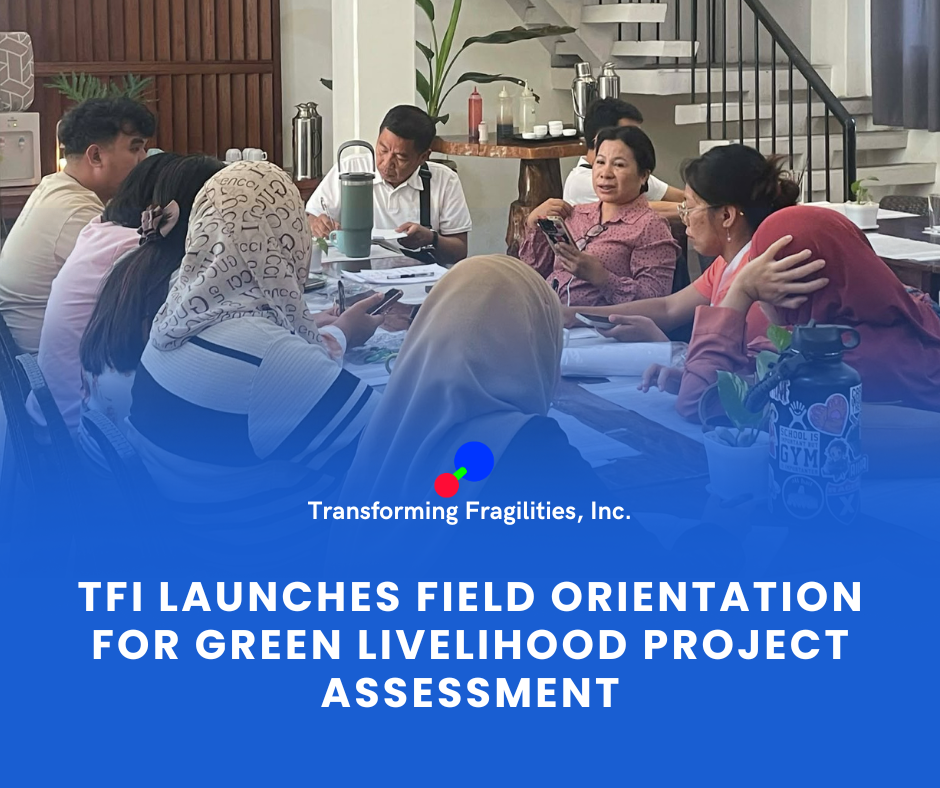
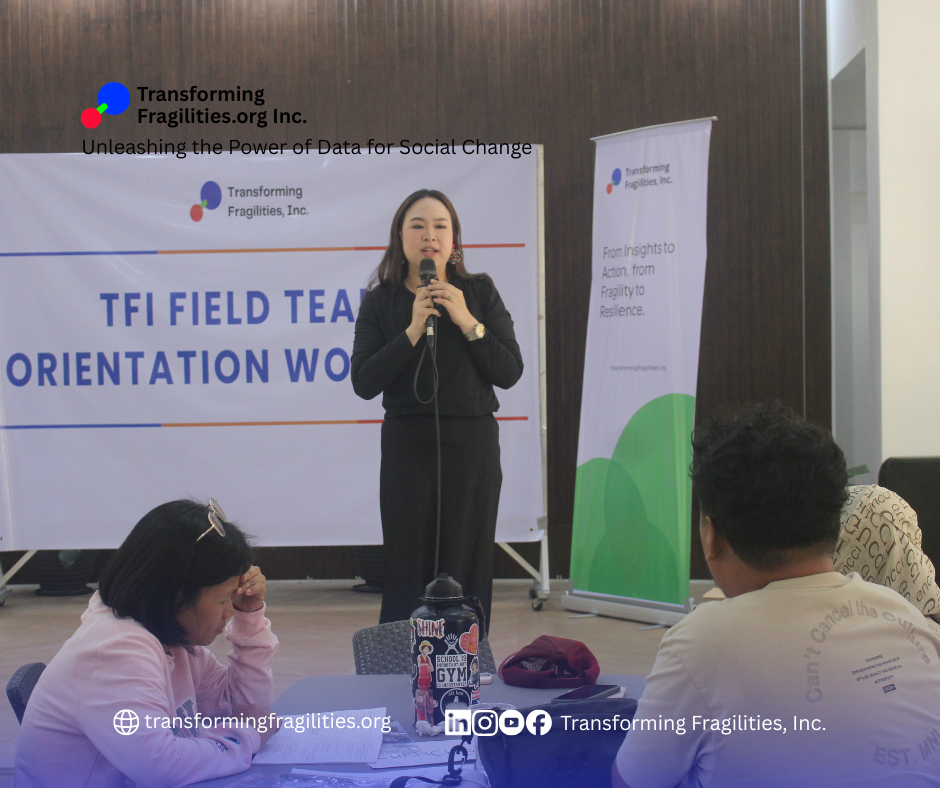
DATU ODIN SINSUAT, MAGUINDANAO — Transforming Fragilities, Inc. (TFI) recently held a Field Teams Orientation, aimed at preparing the field teams for field research with a strong focus on data integrity. The orientation took place in the welcoming environment of the Oblates of Mary Immaculate (OMI) multi-purpose hall and lasted three days.
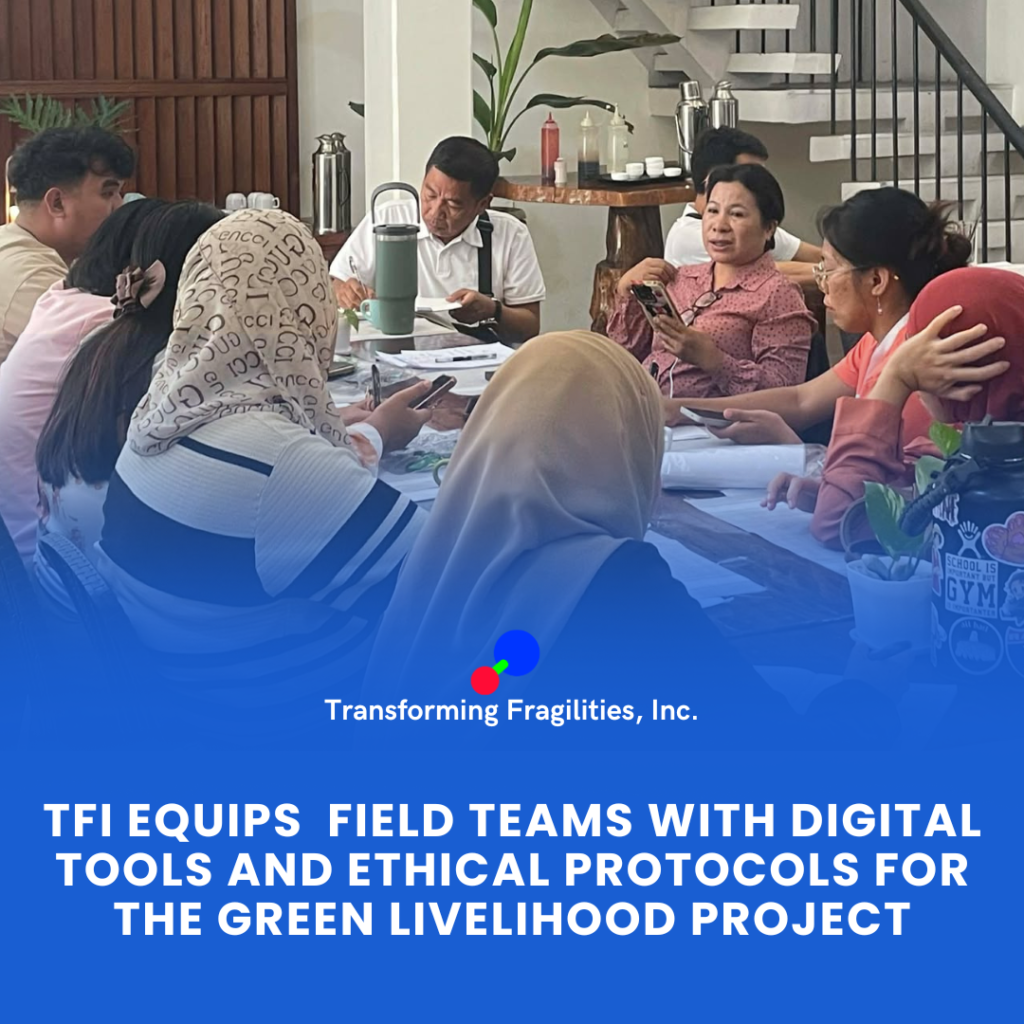
The purpose of the session was to orient the field teams to the specialized, localized digital and qualitative tools they will use in the field data collection in a comprehensive manner. The orientation convened a diverse group of participants, fostering a collaborative environment between technical experts, organizational leadership, and personnel on the ground. Guided by TFI Ahmed Harris “Tommy” Pangcoga, the training sessions were attended by TFI staff, experts, and the core field teams.
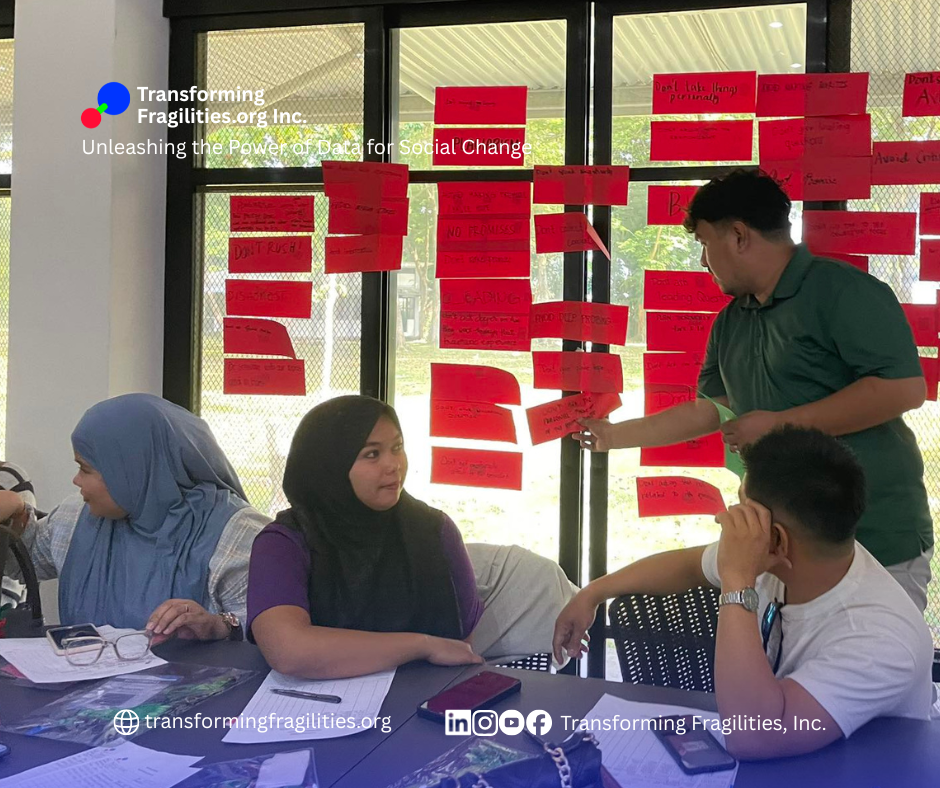
The Green Livelihood Project (GLP) is an independent, end-of-project assessment implemented by the Philippine Red Cross (PRC) in partnership with the Spanish Red Cross (SRC), and funded by the Spanish Agency for International Development Cooperation (AECID). The project spans eight critical, vulnerable coastal and agricultural barangays in Zamboanga City. It targets a broader population of 71,389 individuals, focusing heavily on a direct cohort of women-led micro-entrepreneurs.
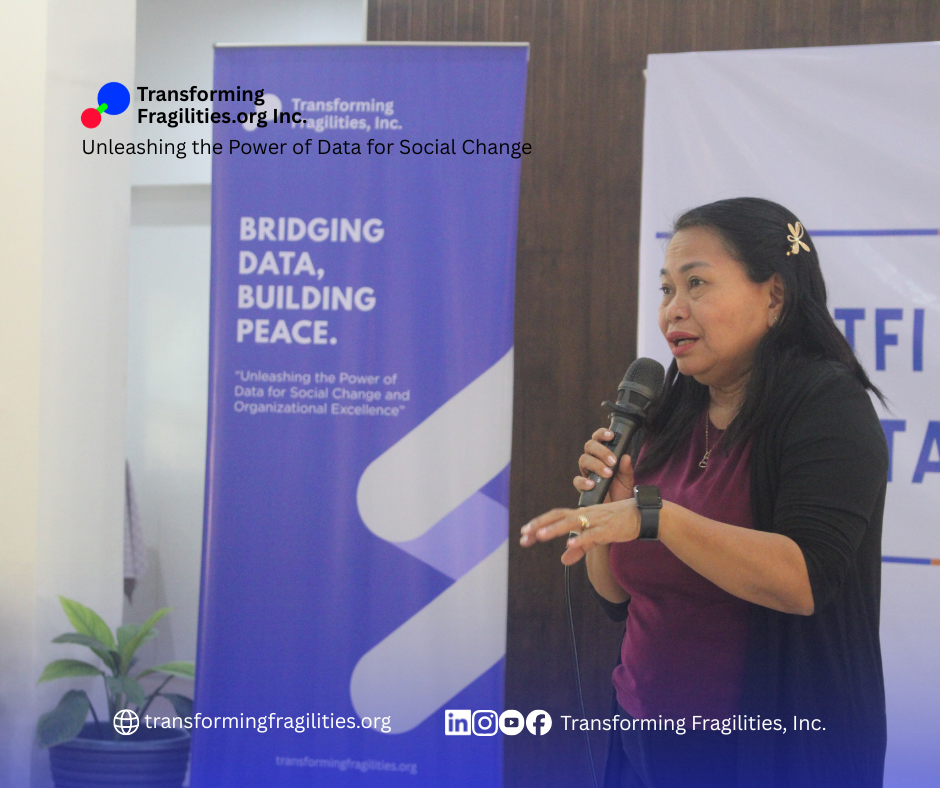
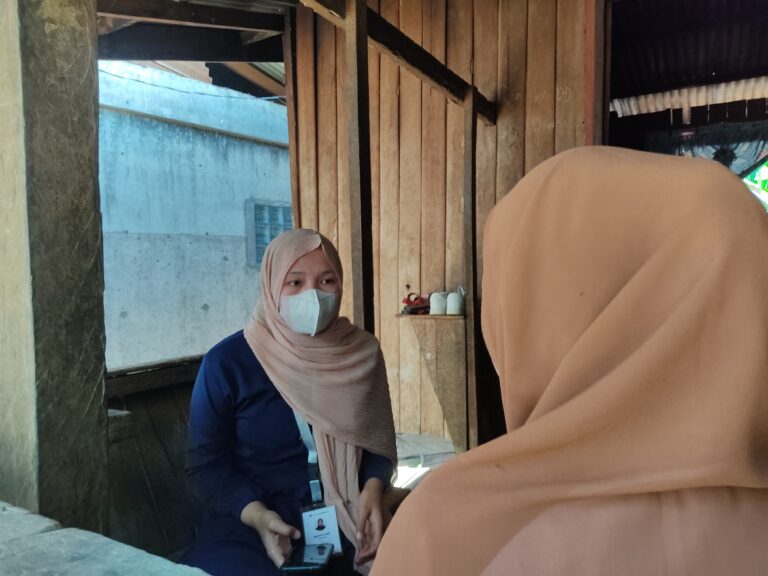
The orientation structure had been carefully designed for three key roles in the field. Enumerators received comprehensive training on using digital survey tools, neutral probing techniques, and strict data entry protocols. Supervisors were trained in the mechanics of quality control, data verification loops, and real-time field-team management. Documenters paid particular attention to qualitative narrative capture so that the contextual depth of field interviews is captured with high fidelity.
Participants engaged in interactive simulations with digital data collection tools on smartphones and tablets. In order to ensure strict compliance with national privacy standards, TFI’s technical staff trained enumerators on automated local deletion protocols. When a field survey is completed and uploaded to the secure server, the local encrypted instance is automatically erased from the device storage so there is no way to retrieve local data without authorization.
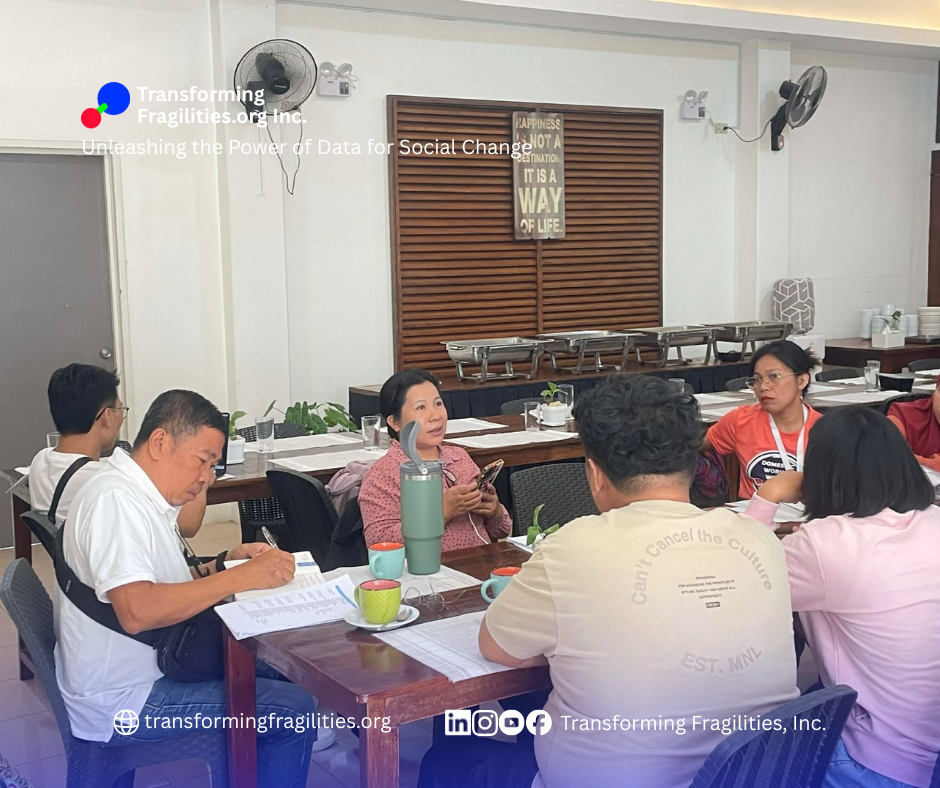
The training also included extensive sessions on using localized language and culturally relevant questions, in addition to learning digital tools. This way, enumerators are able to convey complex ideas to community members in a way that resonates and capture genuine responses. The team also received extensive training in ethical practices, emphasizing the importance of informed consent, confidentiality, and protection of vulnerable populations.
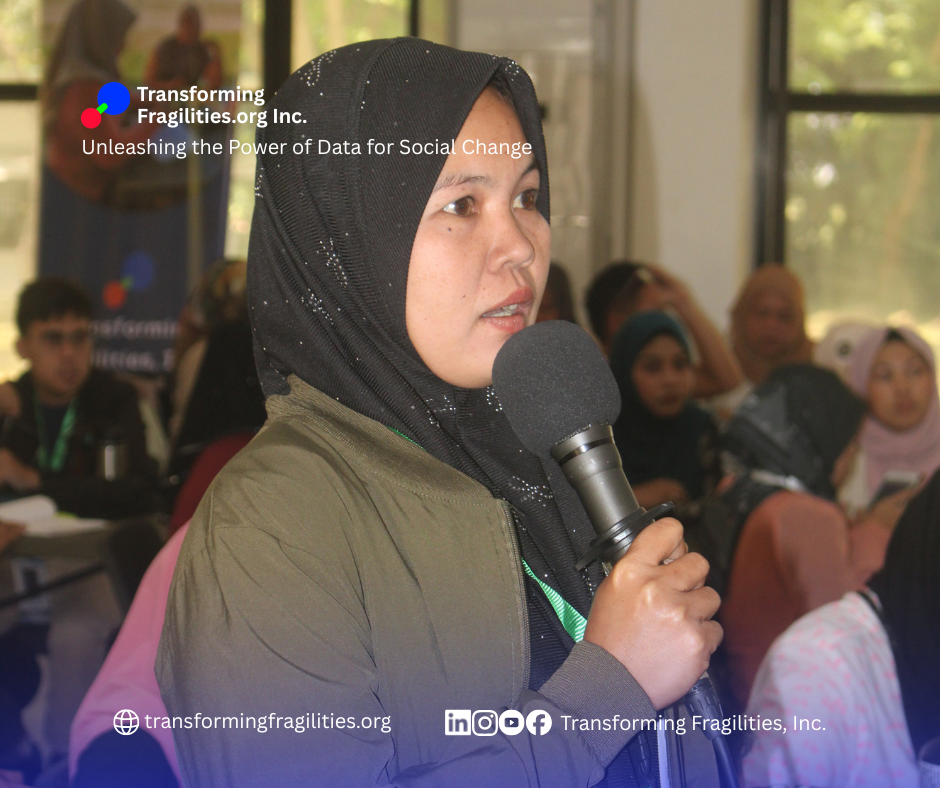
By cross-referencing rigorous statistical data management with human-centric qualitative methods, this capacity-building milestone ensures the field teams are fully equipped to navigate complex socio-cultural landscapes.