(Disclaimer: 𝘛𝘩𝘦 𝘪𝘯𝘧𝘰𝘳𝘮𝘢𝘵𝘪𝘰𝘯 𝘢𝘯𝘥 𝘷𝘪𝘦𝘸𝘴 𝘴𝘦𝘵 𝘰𝘶𝘵 𝘪𝘯 𝘵𝘩𝘪𝘴 𝘢𝘳𝘵𝘪𝘤𝘭𝘦 𝘢𝘳𝘦 𝘵𝘩𝘰𝘴𝘦 𝘰𝘧 𝘵𝘩𝘦 𝘢𝘶𝘵𝘩𝘰𝘳 𝘢𝘯𝘥 𝘥𝘰 𝘯𝘰𝘵 𝘯𝘦𝘤𝘦𝘴𝘴𝘢𝘳𝘪𝘭𝘺 𝘳𝘦𝘧𝘭𝘦𝘤𝘵 𝘵𝘩𝘦 𝘰𝘧𝘧𝘪𝘤𝘪𝘢𝘭 𝘰𝘱𝘪𝘯𝘪𝘰𝘯 𝘰𝘧 𝘛𝘍𝘐. 𝘕𝘦𝘪𝘵𝘩𝘦𝘳 𝘛𝘍𝘐 𝘯𝘰𝘳 𝘢𝘯𝘺 𝘱𝘦𝘳𝘴𝘰𝘯 𝘢𝘤𝘵𝘪𝘯𝘨 𝘰𝘯 𝘪𝘵𝘴 𝘣𝘦𝘩𝘢𝘭𝘧 𝘮𝘢𝘺 𝘣𝘦 𝘩𝘦𝘭𝘥 𝘳𝘦𝘴𝘱𝘰𝘯𝘴𝘪𝘣𝘭𝘦 𝘧𝘰𝘳 𝘵𝘩𝘦 𝘶𝘴𝘦 𝘸𝘩𝘪𝘤𝘩 𝘮𝘢𝘺 𝘣𝘦 𝘮𝘢𝘥𝘦 𝘰𝘧 𝘵𝘩𝘦 𝘪𝘯𝘧𝘰𝘳𝘮𝘢𝘵𝘪𝘰𝘯 𝘤𝘰𝘯𝘵𝘢𝘪𝘯𝘦𝘥 𝘵𝘩𝘦𝘳𝘦𝘪𝘯.
𝘛𝘩𝘪𝘴 𝘢𝘳𝘵𝘪𝘤𝘭𝘦 𝘪𝘴 𝘢𝘶𝘵𝘩𝘰𝘳𝘦𝘥 𝘣𝘺 𝘢 𝘱𝘦𝘢𝘤𝘦𝘣𝘶𝘪𝘭𝘥𝘦𝘳, 𝘢 𝘳𝘦𝘴𝘦𝘢𝘳𝘤𝘩𝘦𝘳, 𝘢𝘯𝘥 𝘢𝘥𝘷𝘰𝘤𝘢𝘵𝘦 𝘢𝘨𝘢𝘪𝘯𝘴𝘵 𝘤𝘩𝘪𝘭𝘥 𝘮𝘢𝘳𝘳𝘪𝘢𝘨𝘦 𝘪𝘯 𝘵𝘩𝘦 𝘉𝘈𝘙𝘔𝘔. 𝘏𝘦 𝘪𝘴 𝘢𝘭𝘴𝘰 𝘢 𝘧𝘢𝘵𝘩𝘦𝘳 𝘵𝘰 𝘥𝘢𝘶𝘨𝘩𝘵𝘦𝘳𝘴—𝘨𝘪𝘧𝘵𝘴 𝘧𝘳𝘰𝘮 𝘎𝘰𝘥 / 𝘈𝘭𝘭𝘢𝘩 (𝘚𝘞𝘛). 𝘛𝘩𝘰𝘶𝘨𝘩 𝘯𝘰𝘵 𝘢 𝘧𝘰𝘳𝘮𝘢𝘭𝘭𝘺 𝘵𝘳𝘢𝘪𝘯𝘦𝘥 𝘐𝘴𝘭𝘢𝘮𝘪𝘤 𝘴𝘤𝘩𝘰𝘭𝘢𝘳, 𝘵𝘩𝘦 𝘸𝘳𝘪𝘵𝘦𝘳 𝘩𝘢𝘴 𝘤𝘰𝘮𝘱𝘪𝘭𝘦𝘥 𝘵𝘩𝘦𝘴𝘦 𝘱𝘰𝘪𝘯𝘵𝘴 𝘧𝘳𝘰𝘮 𝘵𝘩𝘦 𝘸𝘰𝘳𝘬𝘴 𝘰𝘧 𝘳𝘦𝘤𝘰𝘨𝘯𝘪𝘻𝘦𝘥 𝘴𝘤𝘩𝘰𝘭𝘢𝘳𝘴 𝘢𝘯𝘥 𝘐𝘴𝘭𝘢𝘮𝘪𝘤 𝘭𝘦𝘨𝘢𝘭 𝘮𝘢𝘹𝘪𝘮𝘴 𝘵𝘰 𝘱𝘳𝘰𝘵𝘦𝘤𝘵 𝘵𝘩𝘦 𝘣𝘦𝘴𝘵 𝘪𝘯𝘵𝘦𝘳𝘦𝘴𝘵𝘴 𝘰𝘧 𝘵𝘩𝘦 𝘉𝘢𝘯𝘨𝘴𝘢𝘮𝘰𝘳𝘰 𝘤𝘩𝘪𝘭𝘥. 𝘐𝘵 𝘪𝘴 𝘪𝘯𝘵𝘦𝘯𝘥𝘦𝘥 𝘧𝘰𝘳 𝘦𝘥𝘶𝘤𝘢𝘵𝘪𝘰𝘯𝘢𝘭 𝘢𝘯𝘥 𝘢𝘥𝘷𝘰𝘤𝘢𝘤𝘺 𝘱𝘶𝘳𝘱𝘰𝘴𝘦𝘴, 𝘦𝘯𝘤𝘰𝘶𝘳𝘢𝘨𝘪𝘯𝘨 𝘢 𝘥𝘦𝘦𝘱𝘦𝘳 𝘭𝘰𝘰𝘬 𝘢𝘵 𝘩𝘰𝘸 𝘰𝘶𝘳 𝘧𝘢𝘪𝘵𝘩 𝘱𝘳𝘰𝘵𝘦𝘤𝘵𝘴 𝘵𝘩𝘦 𝘷𝘶𝘭𝘯𝘦𝘳𝘢𝘣𝘭𝘦.)
By: Ahmed Harris “Tommy” R. Pangcoga
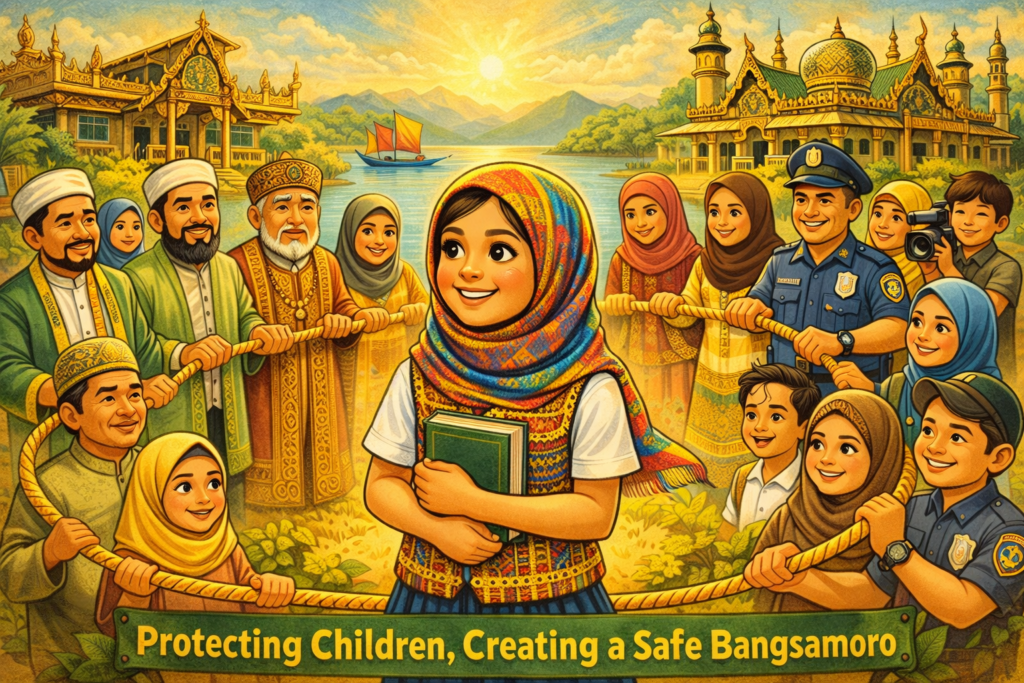
𝗥𝗲𝗮𝗱𝘆 𝗳𝗼𝗿 𝗟𝗶𝗳𝗲, 𝗡𝗼𝘁 𝗝𝘂𝘀𝘁 𝗳𝗼𝗿 𝗡𝗶𝗸𝗮𝗵: 𝗪𝗵𝘆 𝗣𝗿𝗼𝘁𝗲𝗰𝘁𝗶𝗻𝗴 𝗢𝘂𝗿 𝗗𝗮𝘂𝗴𝗵𝘁𝗲𝗿𝘀 𝗶𝘀 𝘁𝗵𝗲 𝗧𝗿𝘂𝗲𝘀𝘁 𝗜𝘀𝗹𝗮𝗺𝗶𝗰 𝗧𝗿𝗮𝗱𝗶𝘁𝗶𝗼𝗻
In the heart of our communities across the BARMM, the interpretation and application of “𝘣𝘢𝘭𝘪𝘨𝘩,” or the coming of age, can vary significantly across different Muslim societies and even within different schools of thought. For the non-Muslim reader, it is helpful to understand that while “coming of age” is often defined in secular law by a fixed age (such as 18), Islamic tradition looks for specific signs of readiness. Among the driving factors behind these differences are “‘𝘶𝘳𝘧,” or custom, and “𝘮𝘢𝘴𝘭𝘢𝘩𝘢,” which is the public interest. While physical signs of puberty are traditionally seen as important, many scholars emphasize that true “𝘣𝘢𝘭𝘪𝘨𝘩” must also include “‘𝘢𝘲𝘭,” which is intellectual maturity and reasoning, and “𝘳𝘶𝘴𝘩𝘥,” which refers to maturity in handling affairs and prudence. According to the Dar-ul-ifta of the Bangsamoro in its formal ruling, “The Model Family in Islam,” marriage is intended for youth who meet the necessary conditions and does not apply to those at the pre-puberty or childhood stage.
Islam considers mind-maturity and intellectual integrity as fundamental conditions for marriage. ‘𝘈𝘲𝘭 is a person’s ability to distinguish between right and wrong, understand religious concepts, and make sound judgments. A child might show physical signs of puberty but not yet possess the intellectual maturity to fully grasp religious obligations, which is why the term 𝘢𝘲𝘪𝘭 𝘣𝘢𝘭𝘪𝘨𝘩 is essential. 𝘙𝘶𝘴𝘩𝘥 relates to the ability to manage one’s property and affairs responsibly. We see this principle in Quran 4:6, which instructs us to test orphans in their abilities; if we find them to be mature of mind or sound in judgment (𝘳𝘶𝘴𝘩𝘥), only then should we hand over their possessions. Scholars and medical experts of the Bangsamoro argue that if a minor cannot manage wealth, they are not mature enough to manage a marriage, leading to the recommendation that the appropriate marriageable age is 20 years for males and 18 years for females.
𝗔𝗶𝘀𝗵𝗮’𝘀 𝗦𝘁𝗼𝗿𝘆: 𝗔 𝗦𝗽𝗲𝗰𝗶𝗮𝗹 𝗣𝗮𝘁𝗵, 𝗡𝗼𝘁 𝗮 𝗕𝗹𝘂𝗲𝗽𝗿𝗶𝗻𝘁 𝗳𝗼𝗿 𝗛𝗮𝗿𝗺
When we discuss this topic, the marriage of Hadhrat Aisha (RA) is frequently mentioned, but we must understand it through the lens of 𝘒𝘩𝘢𝘴𝘢’𝘪𝘴 𝘢𝘭-𝘕𝘢𝘣𝘪, or unique prophetic circumstances (e.g. Mary’s virgin birth of Jesus, Moses being able to part the Red Sea, etc.). Many Islamic scholars differentiate between “Unique Prophetic Actions” and “General 𝘚𝘶𝘯𝘯𝘢𝘩” by analyzing the intent, context, and legal status of the Prophet Muhammad’s (SAW) deeds. This process is essential for determining which actions are meant to be emulated by all Muslims and which were exclusive to him. Scholars of 𝘜𝘴𝘶𝘭 𝘢𝘭-𝘍𝘪𝘲𝘩 (basis for Islamic ruling) identify certain actions as “𝘬𝘩𝘢𝘴𝘢’𝘪𝘴”—a unique privilege or circumstance specific only to the Prophet, or matters exclusive to him that are not legally permissible for his followers or do not establish a general precedent for the rest of the Muslim community. Scholars like Al-Shatibi (in Al-Muwafaqat) discuss the unique aspects of prophetic actions.
Unlike his other marriages, which were often based on social or political needs such as marrying widows or forming tribal alliances, the Prophet explicitly stated that Hadhrat Aisha (RA) was shown to him in a divine dream by the Angel Gabriel/Jibril (AS). Many contemporary scholars, including Dr. Muhammad Tahir ul-Qadri, Dr. Zaid Shaker, and those associated with institutions such as Al-Azhar, emphasize that because this union was specifically ordered by Allah (SWT) through revelation (“𝘸𝘢𝘩𝘪”), it falls under his unique spiritual directives (“𝘬𝘩𝘢𝘴𝘢’𝘪𝘴”) rather than a standard “𝘴𝘶𝘯𝘯𝘢𝘩” for others to follow. Citing Sahih Al-Bukhari, the Dar-ul-ifta of the Bangsamoro stated in its 2015 Fatwa (The Model Family in Islam) that the Prophet’s marriage to Aisha (RA) as a young girl was a special case according to heavenly instruction and was prearranged by Allah (SWT). It was a union specifically ordered through revelation, falling under unique spiritual directives rather than a standard 𝘴𝘶𝘯𝘯𝘢𝘩 for others to follow. Who among those who marry teenagers in this day and age can claim that the Angel Gabriel/Jibril (AS) came to them and told them to marry their teenage brides because it was ordered by Allah (SWT)? None.
In the modern age, most adolescent girls subjected to child marriage experience a profound “narrowing” of life, characterized by physical trauma and the onset of lifelong psychological cycles of poverty. In stark contrast, the marriage of Aisha (RA) was uniquely transformative, serving as a divine apprenticeship that elevated her into a premier jurist and intellectual authority. According to medical experts at Al-Azhar University, who have reviewed and endorsed the Fatwa of 2015, 18 is the recommended age for females because it marks the stage where reproductive development, including the fusion of pubic bones, is completed. This biological maturity is vital for a safe, low-risk pregnancy and labor. This fundamental divergence reinforces the argument of 𝘒𝘩𝘢𝘴𝘢’𝘪𝘴 𝘢𝘭-𝘕𝘢𝘣𝘪: her union was a divine instrument for preserving the faith, not a blueprint for a harmful social practice.
𝗔 “𝗬𝗲𝘀” 𝗠𝘂𝘀𝘁 𝗕𝗲 𝗮 𝗥𝗲𝗮𝗹 𝗬𝗲𝘀: 𝗪𝗵𝘆 𝗖𝗵𝗼𝗶𝗰𝗲 𝗠𝗮𝘁𝘁𝗲𝗿𝘀
In Islamic law, a marriage contract (𝘯𝘪𝘬𝘢𝘩) is invalid without the free will and consent of both parties. According to the unanimous ruling of the Bangsamoro Dar-ul-Ifta in the same fatwa, a virgin woman who has reached puberty with a sound mind cannot be compelled into marriage without her consent. This aligns with the Prophet’s instruction that a virgin should not be married until her permission is sought. Furthermore, a widow or divorcee has even more rights to herself than her guardian does: “A matron should not be given in marriage except after consulting her, and a virgin should not be given in marriage except after her permission.” To clarify for non-Muslims, the “guardian” (𝘸𝘢𝘭𝘪) is usually the father, but Islamic law actually protects the woman’s right to override a father’s choice if it is against her will. If a person is forced, the contract is considered “𝘣𝘢𝘵𝘪𝘭” (void) or “𝘧𝘢𝘴𝘪𝘥” (irregular) in many schools of thought. For a marriage contract to be valid, there must be a clear offer (𝘪𝘫𝘢𝘣) from one party and a clear acceptance (𝘲𝘢𝘣𝘶𝘭) from the other, reflecting the free will of both the prospective husband and the prospective wife.
The 𝘚𝘢𝘩𝘪𝘩 𝘏𝘢𝘥𝘪𝘵𝘩 (authentic record) of Khansa bint Khidam Al-Ansariyah serves as a powerful testament to this: when her father married her off against her will, she went to the Messenger of Allah (SAW), who annulled her marriage. Another young woman came to the Prophet (SAW) because her father married her to his brother’s son just to raise his social standing. The Prophet (SAW) gave her the choice to accept or reject the marriage. She ultimately chose to stay, but she made it clear she wanted women to know that parents have no right to force a husband on them. This demonstrates that even if a father’s intention is perceived as “good,” it cannot override the daughter’s free will. The 𝘸𝘢𝘭𝘪‘s role is one of protection and facilitation, not coercion. Shaykh al-Islam Ibn Taymiyyah strongly argued that if a person cannot be forced into financial contracts, they certainly cannot be forced into marriage.
𝗙𝗮𝗶𝘁𝗵 𝗙𝗶𝗿𝘀𝘁: 𝗪𝗵𝗲𝗻 𝗧𝗿𝗮𝗱𝗶𝘁𝗶𝗼𝗻 𝗦𝘁𝗮𝗿𝘁𝘀 𝘁𝗼 𝗛𝘂𝗿𝘁
We must confront the reality that what is perceived as “Islamic tradition” in certain communities, including in Mindanao, is often more rooted in long-standing cultural practices or “𝘢𝘥𝘢𝘵” (customs) that predate or developed alongside formal Islamic law. 𝘈𝘥𝘢𝘵 often emphasizes physical signs of puberty as the primary indicator of “𝘣𝘢𝘭𝘪𝘨𝘩,” aligning with older, literal interpretations of texts that allowed for marriage upon menstruation, sometimes as early as nine lunar years. This traditional view, reinforced by “𝘢𝘥𝘢𝘵,” often overlooks the broader Islamic concept of rushd (sound judgment) required for full legal capacity in marital affairs. Among all Moro groups, marriage has historically been viewed as a contract between clans rather than individuals. While Islam requires individual consent, adat prioritizes the wali‘s authority to secure peace treaties or resolve “𝘳𝘪𝘥𝘰” (clan feuds).
This cultural expectation can lead to 𝘥𝘦 𝘧𝘢𝘤𝘵𝘰 forced marriages, where a girl’s “consent” is given under immense social pressure for the sake of family honor. In many Moro communities, the 𝘮𝘢𝘩𝘳 (Islamic dowry) is sometimes conflated with “tribal bridewealth” given to the family, which it is not. 𝘉’𝘵𝘢𝘯𝘨 and 𝘴𝘢𝘯𝘨𝘨𝘢𝘥 in the Meranaw and Maguindanaon languages, respectively, and as applied, are more akin to tribal bridewealth than to an Islamic dowry. Distinctions, however, are blurred by semantic shifts or conceptual blending driven by cultural syncretism.
Because the Moro people have historically resisted external imposition, they often cling to “𝘢𝘥𝘢𝘵” (customs) as a form of cultural survival, defending practices like early betrothal as “Islamic” to protect them from “Westernized” Philippine laws, even when those practices violate the Islamic principles of “no harm” (𝘭𝘢 𝘥𝘢𝘳𝘢𝘳). In extreme cases, this leads to a deeply patriarchal perversion where a husband’s “right” to intimacy is seen as absolute, regardless of the wife’s consent—a severe contradiction of the Islamic teachings on kindness, love, and mercy.
Moreover, there is a “crisis of authority” at the grassroots level. It is one thing to have the Mufti or a high-ranking 𝘈𝘭𝘪𝘮 (scholar) with a 𝘒𝘶𝘭𝘭𝘪𝘺𝘢𝘩 (College/University) degree or at the very least, an 𝘜𝘴𝘵𝘢𝘥𝘻 with a 𝘛𝘩𝘢𝘯𝘯𝘢𝘸𝘪 (Secondary Education) certificate issue a progressive 𝘧𝘢𝘵𝘸𝘢, but it is an entirely different reality when the local religious leader—who lives next door and shares the same tribal history—gives a conflicting “basement-level” opinion.
This critical issue of “authority shopping” is the single biggest hurdle for RA 11596 and child protection efforts because it creates a religious “shield” for harmful 𝘢𝘥𝘢𝘵 (customs). This “authority shopping” at the grassroots level explains why even the most sound theological arguments often struggle to take root. A significant challenge lies in the tendency of community members to bypass high-ranking asatidz and the ulama community, instead seeking guidance from local religious leaders who may lack formal 𝘛𝘩𝘢𝘯𝘯𝘢𝘸𝘪 or 𝘒𝘶𝘭𝘭𝘪𝘺𝘢𝘩 credentials. Because these local leaders are often deeply embedded in the same social fabric as their congregants, they are frequently prone to confirming pre-existing biases that lean toward adat practices. This creates a cycle where community members “shop” for a religious opinion that validates their cultural preferences, effectively using a lower-tier religious endorsement to shield harmful practices from the scrutiny of higher Islamic scholarship.
Furthermore, this disconnect reveals a gap between high-level academic theologians—who emphasize the 𝘔𝘢𝘲𝘢𝘴𝘪𝘥 (higher objectives) of the faith—and grassroots preachers who may rely on a literalist, “copy-paste” imitation of the Prophet’s life. Without the deep training required to distinguish between a universal 𝘴𝘶𝘯𝘯𝘢𝘩 and a specific historical context, these local influencers often simplify complex theological concepts into a binary: “If it was done before, it is good to do now.” By providing moral and religious legitimacy to pre-existing cultural traditions, they inadvertently transform adat into an immovable religious mandate. This prevents the community from recognizing that a custom becomes ‘𝘜𝘳𝘧 𝘍𝘢𝘴𝘪𝘥 (corrupt custom) the moment it causes demonstrable harm to the most vulnerable members of the 𝘜𝘮𝘮𝘢𝘩.
𝗜𝘀𝗹𝗮𝗺 𝗶𝘀 𝗘𝗮𝘀𝗲, 𝗡𝗼𝘁 𝗣𝗮𝗶𝗻: 𝗧𝗵𝗲 “𝗡𝗼 𝗛𝗮𝗿𝗺” 𝗥𝘂𝗹𝗲
A fundamental principle in Islamic law is to make things easy for people and to avoid imposing undue hardship (𝘛𝘢𝘺𝘴𝘦𝘦𝘳 and 𝘙𝘢𝘧’ 𝘢𝘭-𝘏𝘢𝘳𝘢𝘫). The Quran tells us clearly that Allah (SWT) intends for us ease and does not intend for us hardship (2:185) and that He has not placed upon us in the religion any difficulty (22:78). Furthermore, the foundational maxim “𝘓𝘢 𝘋𝘢𝘳𝘢𝘳 𝘸𝘢 𝘭𝘢 𝘋𝘪𝘳𝘢𝘳” (no harm, no reciprocal harm) dictates that practices demonstrably harmful, such as the health risks of early pregnancy or the psychological trauma of forced marriage, should be re-evaluated.
Islam’s objectives, the 𝘔𝘢𝘲𝘢𝘴𝘪𝘥 𝘢𝘭-𝘚𝘩𝘢𝘳𝘪’𝘢𝘩, include the preservation of life, intellect, lineage, property, and religion. Child marriage undermines these objectives; health risks undermine 𝘩𝘪𝘧𝘻 𝘢𝘭-𝘯𝘢𝘧𝘴 (protection of the soul / preservation of life), and the lack of education undermines 𝘩𝘪𝘧𝘻 𝘢𝘭-‘𝘢𝘲𝘭 (protection of the mind/intellect). Islamic jurisprudence emphasizes 𝘒𝘢𝘧𝘢’𝘢𝘩, or the suitability of the groom for the bride, and marrying a child to an adult creates a massive gap in intellectual and social compatibility. For a Moro 𝘢𝘥𝘢𝘵 to be legally valid in Islam, it must not conflict with a clear Islamic text (𝘕𝘢𝘴𝘴). When an 𝘢𝘥𝘢𝘵 permits what is forbidden or causes clear harm, it is considered ‘𝘶𝘳𝘧 𝘧𝘢𝘴𝘪𝘥 (corrupt custom) and must be discarded. In cases where a bride is below 18, medical experts suggest that couples are free to avail themselves of contraceptives through informed choice to temporarily delay the first pregnancy, provided 𝘚𝘩𝘢𝘳𝘪’𝘢𝘩 conditions are met.
𝗢𝘂𝗿 𝗖𝗵𝗶𝗹𝗱𝗿𝗲𝗻, 𝗢𝘂𝗿 𝗧𝗿𝘂𝘀𝘁: 𝗔 𝗕𝗲𝘁𝘁𝗲𝗿 𝗪𝗮𝘆 𝗙𝗼𝗿𝘄𝗮𝗿𝗱
While preventing “𝘻𝘪𝘯𝘢” (illicit premarital relations, sexual or otherwise) is a vital Islamic objective, marrying off children who are not emotionally, intellectually, or physically ready is not the only or most effective Islamic solution. The Quran describes marriage as a “𝘴𝘢𝘬𝘪𝘯𝘢𝘩” (tranquility), “𝘮𝘢𝘸𝘢𝘥𝘥𝘢𝘩” (love), and “𝘳𝘢𝘩𝘮𝘢𝘩” (mercy) between spouses (Qur’an 30:21). For such a relationship to flourish, both parties must be mature enough to communicate effectively and resolve conflicts. Islam encourages various other ways to prevent “𝘻𝘪𝘯𝘢”, including fostering moral uprightness and piety through education, promoting modesty, encouraging healthy social environments, and facilitating responsible marriage for mature individuals. To protect our youth, the Dar-ul-Ifta recommends setting up comprehensive gender and health education programs in the school curriculum to ensure Muslim youth become more guided, responsible, and aware.
The age of marriage in the Prophet’s time was consistent with the prevalent cultural norms of that era across many societies, including Christian Europe. To think that Christians of that time did not marry their girls below the age of 18 is erroneous. Lady Margaret Beaufort (1443-1509) was married at the age of 12 to Edmund Tudor, 1st Earl of Richmond. At age 13, she gave birth to the future King Henry VII. The birth reportedly caused permanent physical injury, and Margaret never conceived another child despite marrying two more times. Jeanne de Bourbon (1338–1378), a princess of the French royal house, was married at age 12 to Charles V of France. She became pregnant shortly after and gave birth to her first child at 13.
However, the point is, this is not the ‘𝘶𝘳𝘧 (customs) of 21st-century civilization. Many modern Islamic scholars and several Muslim-majority nations have implemented an age minimum for marriage at 18 years old, arguing that modern protections for children are in full alignment with the core Islamic objectives of public interest and the prevention of hardship.
We must acknowledge that the deeply ingrained nature of 𝘢𝘥𝘢𝘵 can make communities resistant to changes like RA 11596, even if this is already a criminal law, but we must also realize that the many million-dollar advocacy projects by UN agencies and international NGOs to counter child, early, and forced marriage (CEFM) often struggle because they use messaging that is dissonant with local values. The path forward lies in recognizing that protecting our children from trauma is not a “Western” idea—it is a deeply Islamic one.
𝗔 𝗣𝗮𝘁𝗵 𝗙𝗼𝗿𝘄𝗮𝗿𝗱: 𝗣𝗿𝗼𝘁𝗲𝗰𝘁𝗶𝗻𝗴 𝘁𝗵𝗲 𝗙𝘂𝘁𝘂𝗿𝗲 𝗼𝗳 𝘁𝗵𝗲 𝗕𝗮𝗻𝗴𝘀𝗮𝗺𝗼𝗿𝗼
The transition from deeply rooted cultural habits toward a more protective, faith-centered approach requires more than just laws; it requires a collective awakening. We cannot simply wait for time to change these practices; we must act as intentional catalysts for reform. For the Bangsamoro to truly flourish, every stakeholder must recognize their role in ensuring that marriage remains a sanctuary of peace rather than a source of trauma.
𝗧𝗵𝗲 𝗨𝗹𝗮𝗺𝗮 𝗮𝗻𝗱 𝗛𝗶𝗴𝗵𝗲𝗿 𝗔𝗰𝗮𝗱𝗲𝗺𝗶𝗰 𝗖𝗼𝗺𝗺𝘂𝗻𝗶𝘁𝘆. There is a pressing need for the high-ranking scholars to “descend” from the academic heights of the 𝘒𝘶𝘭𝘭𝘪𝘺𝘢𝘩 or 𝘔𝘢𝘫𝘦𝘴𝘵𝘦𝘳 into the heart of the barangays. We need a systematic effort to mentor local, mid-level preachers—those with lower than a 𝘛𝘩𝘢𝘯𝘯𝘢𝘸𝘪 level of education—to help them understand the 𝘔𝘢𝘲𝘢𝘴𝘪𝘥 𝘢𝘭-𝘚𝘩𝘢𝘳𝘪’𝘢𝘩 (the higher objectives of Islam). When the 𝘜𝘭𝘢𝘮𝘢 provide grassroots leaders with the theological tools to prioritize “no harm” (𝘭𝘢 𝘥𝘢𝘳𝘢𝘳) over “Literalism,” they cut off the religious oxygen that keeps harmful 𝘢𝘥𝘢𝘵 alive. This is not about erasing local influence, but about ensuring that those who guide the community are doing so with the full weight of Islamic mercy behind them.
𝗖𝗼𝗺𝗺𝘂𝗻𝗶𝘁𝘆 𝗟𝗲𝗮𝗱𝗲𝗿𝘀 𝗮𝗻𝗱 𝗟𝗼𝗰𝗮𝗹 𝗚𝗮𝘁𝗲𝗸𝗲𝗲𝗽𝗲𝗿𝘀. To the local leaders and tribal elders: the strength of a clan is not measured by the strategic marriages of its children, but by the health, education, and resilience of the future generations. We must shift the narrative of “family honor” away from early unions and toward the empowerment of our daughters. When a leader refuses to sanction a child marriage to settle a 𝘳𝘪𝘥𝘰 or a debt, they are performing a profound act of Islamic justice. True cultural survival in the Bangsamoro depends on our ability to protect our children from physical and psychological cycles of poverty—cycles that are often triggered by the “narrowing of life” that follows child marriage.
𝗧𝗵𝗲 𝗗𝗲𝘃𝗲𝗹𝗼𝗽𝗺𝗲𝗻𝘁 𝗦𝗲𝗰𝘁𝗼𝗿 𝗮𝗻𝗱 𝗚𝗼𝘃𝗲𝗿𝗻𝗺𝗲𝗻𝘁 𝗣𝗿𝗮𝗰𝘁𝗶𝘁𝗶𝗼𝗻𝗲𝗿𝘀. For those working in peacebuilding and child protection, the way forward requires a shift in messaging. We must stop using language that sounds “foreign” or “Westernized,” as this only triggers cultural resistance and pushes the community back toward harmful adat. Instead, we practice what we preach – apply cultural sensitivity and conflict sensitivity – in designing programs that address CEFM in the BARMM. We must speak the language of the people. Our advocacy against child marriage (CEFM) should be framed around Islamic concepts of 𝘈𝘮𝘢𝘯𝘢𝘩 (trust), 𝘔𝘢𝘴𝘭𝘢𝘩𝘢 (public interest), and the protection of the 𝘜𝘮𝘮𝘢𝘩. By aligning our child protection projects with the core principles of the faith, we move from being “external disruptors” to being “partners in reform.”
𝗣𝗮𝗿𝗲𝗻𝘁𝘀 𝗮𝗻𝗱 𝗙𝗮𝗺𝗶𝗹𝗶𝗲𝘀. Finally, the most critical shift must happen within the home. A child is a trust from Allah, not a commodity for social or economic negotiation. We must foster environments where our daughters are encouraged to reach rushd—full intellectual and emotional maturity—before taking on the heavy responsibilities of a household. By prioritizing their education and health, we are not turning our backs on our culture; we are fulfilling our highest religious duty to nurture the life and intellect that Allah has bestowed upon them. The true way forward is a Bangsamoro where every girl is given the chance to become, like Hadhrat Aisha (RA), a pillar of strength and a beacon of knowledge for her people.
Allahu alam (الله أعلم). Allah (SWT) knows best.
𝖠𝖻𝗈𝗎𝗍 𝗍𝗁𝖾 𝖠𝗎𝗍𝗁𝗈𝗋: 𝘈𝘯 𝘪𝘯𝘵𝘦𝘳𝘯𝘢𝘵𝘪𝘰𝘯𝘢𝘭 𝘥𝘦𝘷𝘦𝘭𝘰𝘱𝘮𝘦𝘯𝘵 𝘱𝘳𝘰𝘧𝘦𝘴𝘴𝘪𝘰𝘯𝘢𝘭 𝘸𝘪𝘵𝘩 𝘰𝘷𝘦𝘳 23 𝘺𝘦𝘢𝘳𝘴 𝘰𝘧 𝘦𝘹𝘱𝘦𝘳𝘪𝘦𝘯𝘤𝘦 𝘪𝘯 𝘱𝘦𝘢𝘤𝘦𝘣𝘶𝘪𝘭𝘥𝘪𝘯𝘨 𝘢𝘯𝘥 𝘤𝘰𝘯𝘧𝘭𝘪𝘤𝘵 𝘵𝘳𝘢𝘯𝘴𝘧𝘰𝘳𝘮𝘢𝘵𝘪𝘰𝘯, 𝘈𝘩𝘮𝘦𝘥 𝘏𝘢𝘳𝘳𝘪𝘴 𝘙. 𝘗𝘢𝘯𝘨𝘤𝘰𝘨𝘢 𝘩𝘢𝘴 𝘥𝘦𝘥𝘪𝘤𝘢𝘵𝘦𝘥 𝘮𝘶𝘤𝘩 𝘰𝘧 𝘩𝘪𝘴 𝘤𝘢𝘳𝘦𝘦𝘳 𝘵𝘰 𝘤𝘩𝘪𝘭𝘥 𝘱𝘳𝘰𝘵𝘦𝘤𝘵𝘪𝘰𝘯 𝘢𝘯𝘥 𝘤𝘰𝘮𝘮𝘶𝘯𝘪𝘵𝘺 𝘳𝘦𝘴𝘪𝘭𝘪𝘦𝘯𝘤𝘦 𝘪𝘯 𝘵𝘩𝘦 𝘉𝘢𝘯𝘨𝘴𝘢𝘮𝘰𝘳𝘰 𝘳𝘦𝘨𝘪𝘰𝘯. 𝘏𝘦 𝘴𝘦𝘳𝘷𝘦𝘥 𝘢𝘴 𝘵𝘩𝘦 𝘱𝘳𝘪𝘯𝘤𝘪𝘱𝘢𝘭 𝘪𝘯𝘷𝘦𝘴𝘵𝘪𝘨𝘢𝘵𝘰𝘳 𝘧𝘰𝘳 𝘵𝘩𝘦 “𝘖𝘶𝘳 𝘝𝘰𝘪𝘤𝘦𝘴, 𝘖𝘶𝘳 𝘍𝘶𝘵𝘶𝘳𝘦” 𝘳𝘦𝘴𝘦𝘢𝘳𝘤𝘩 𝘰𝘯 𝘊𝘩𝘪𝘭𝘥, 𝘌𝘢𝘳𝘭𝘺, 𝘢𝘯𝘥 𝘍𝘰𝘳𝘤𝘦𝘥 𝘔𝘢𝘳𝘳𝘪𝘢𝘨𝘦 (𝘊𝘌𝘍𝘔) 𝘸𝘪𝘵𝘩 𝘗𝘭𝘢𝘯 𝘐𝘯𝘵𝘦𝘳𝘯𝘢𝘵𝘪𝘰𝘯𝘢𝘭, 𝘢𝘯𝘥 𝘩𝘪𝘴 𝘦𝘹𝘵𝘦𝘯𝘴𝘪𝘷𝘦 𝘦𝘹𝘱𝘦𝘳𝘵𝘪𝘴𝘦 𝘪𝘯 𝘊𝘩𝘪𝘭𝘥 𝘙𝘪𝘨𝘩𝘵𝘴 𝘚𝘪𝘵𝘶𝘢𝘵𝘪𝘰𝘯𝘢𝘭 𝘈𝘯𝘢𝘭𝘺𝘴𝘪𝘴 (𝘊𝘙𝘚𝘈) 𝘪𝘯𝘤𝘭𝘶𝘥𝘦𝘴 𝘴𝘦𝘳𝘷𝘪𝘯𝘨 𝘢𝘴 𝘵𝘩𝘦 𝘱𝘳𝘪𝘯𝘤𝘪𝘱𝘢𝘭 𝘪𝘯𝘷𝘦𝘴𝘵𝘪𝘨𝘢𝘵𝘰𝘳 𝘧𝘰𝘳 𝘚𝘢𝘷𝘦 𝘵𝘩𝘦 𝘊𝘩𝘪𝘭𝘥𝘳𝘦𝘯’𝘴 2016 𝘊𝘙𝘚𝘈 𝘪𝘯 𝘵𝘩𝘦 𝘈𝘙𝘔𝘔 𝘢𝘯𝘥 𝘮𝘢𝘯𝘢𝘨𝘪𝘯𝘨 𝘵𝘩𝘦 2023 𝘊𝘙𝘚𝘈 𝘪𝘯 𝘵𝘩𝘦 𝘉𝘈𝘙𝘔𝘔 𝘧𝘰𝘳 𝘊𝘩𝘪𝘭𝘥𝘍𝘶𝘯𝘥 𝘗𝘩𝘪𝘭𝘪𝘱𝘱𝘪𝘯𝘦𝘴. 𝘗𝘳𝘦𝘷𝘪𝘰𝘶𝘴𝘭𝘺, 𝘢𝘴 𝘢 𝘊𝘩𝘪𝘭𝘥 𝘗𝘳𝘰𝘵𝘦𝘤𝘵𝘪𝘰𝘯 𝘊𝘰𝘯𝘴𝘶𝘭𝘵𝘢𝘯𝘵 𝘧𝘰𝘳 𝘜𝘕𝘐𝘊𝘌𝘍, 𝘩𝘦 𝘢𝘤𝘵𝘦𝘥 𝘢𝘴 𝘵𝘩𝘦 𝘯𝘢𝘵𝘪𝘰𝘯𝘢𝘭 𝘤𝘰𝘶𝘯𝘵𝘦𝘳𝘱𝘢𝘳𝘵 𝘵𝘰 𝘛𝘳𝘢𝘯𝘴𝘪𝘵𝘪𝘰𝘯 𝘐𝘯𝘵𝘦𝘳𝘯𝘢𝘵𝘪𝘰𝘯𝘢𝘭 𝘧𝘰𝘳 𝘱𝘪𝘷𝘰𝘵𝘢𝘭 𝘴𝘵𝘶𝘥𝘪𝘦𝘴 𝘰𝘯 𝘵𝘩𝘦 “𝘋𝘳𝘪𝘷𝘦𝘳𝘴 𝘰𝘧 𝘊𝘩𝘪𝘭𝘥 𝘈𝘴𝘴𝘰𝘤𝘪𝘢𝘵𝘪𝘰𝘯 𝘸𝘪𝘵𝘩 𝘈𝘳𝘮𝘦𝘥 𝘎𝘳𝘰𝘶𝘱𝘴 𝘪𝘯 𝘉𝘢𝘯𝘨𝘴𝘢𝘮𝘰𝘳𝘰 𝘊𝘰𝘮𝘮𝘶𝘯𝘪𝘵𝘪𝘦𝘴” 𝘢𝘯𝘥 𝘵𝘩𝘦 “𝘔𝘢𝘱𝘱𝘪𝘯𝘨 𝘰𝘧 𝘚𝘦𝘳𝘷𝘪𝘤𝘦𝘴 𝘢𝘯𝘥 𝘖𝘱𝘱𝘰𝘳𝘵𝘶𝘯𝘪𝘵𝘪𝘦𝘴 𝘧𝘰𝘳 𝘊𝘩𝘪𝘭𝘥𝘳𝘦𝘯 𝘢𝘯𝘥 𝘠𝘰𝘶𝘯𝘨 𝘗𝘦𝘰𝘱𝘭𝘦 𝘪𝘯 𝘉𝘢𝘯𝘨𝘴𝘢𝘮𝘰𝘳𝘰 𝘊𝘰𝘮𝘮𝘶𝘯𝘪𝘵𝘪𝘦𝘴,” 𝘳𝘦𝘪𝘯𝘧𝘰𝘳𝘤𝘪𝘯𝘨 𝘩𝘪𝘴 𝘭𝘰𝘯𝘨-𝘴𝘵𝘢𝘯𝘥𝘪𝘯𝘨 𝘤𝘰𝘮𝘮𝘪𝘵𝘮𝘦𝘯𝘵 𝘵𝘰 𝘦𝘷𝘪𝘥𝘦𝘯𝘤𝘦-𝘣𝘢𝘴𝘦𝘥 𝘢𝘥𝘷𝘰𝘤𝘢𝘤𝘺 𝘧𝘰𝘳 𝘤𝘩𝘪𝘭𝘥𝘳𝘦𝘯’𝘴 𝘳𝘪𝘨𝘩𝘵𝘴 𝘪𝘯 𝘧𝘳𝘢𝘨𝘪𝘭𝘦 𝘤𝘰𝘯𝘵𝘦𝘹𝘵𝘴.